
Happy Jack Milkade Dog Breeding Guide in the United States.
Learn about happy jack milkade dog breeding, including how to assess breeders, puppy health, care needs, and responsible practices in the United States.
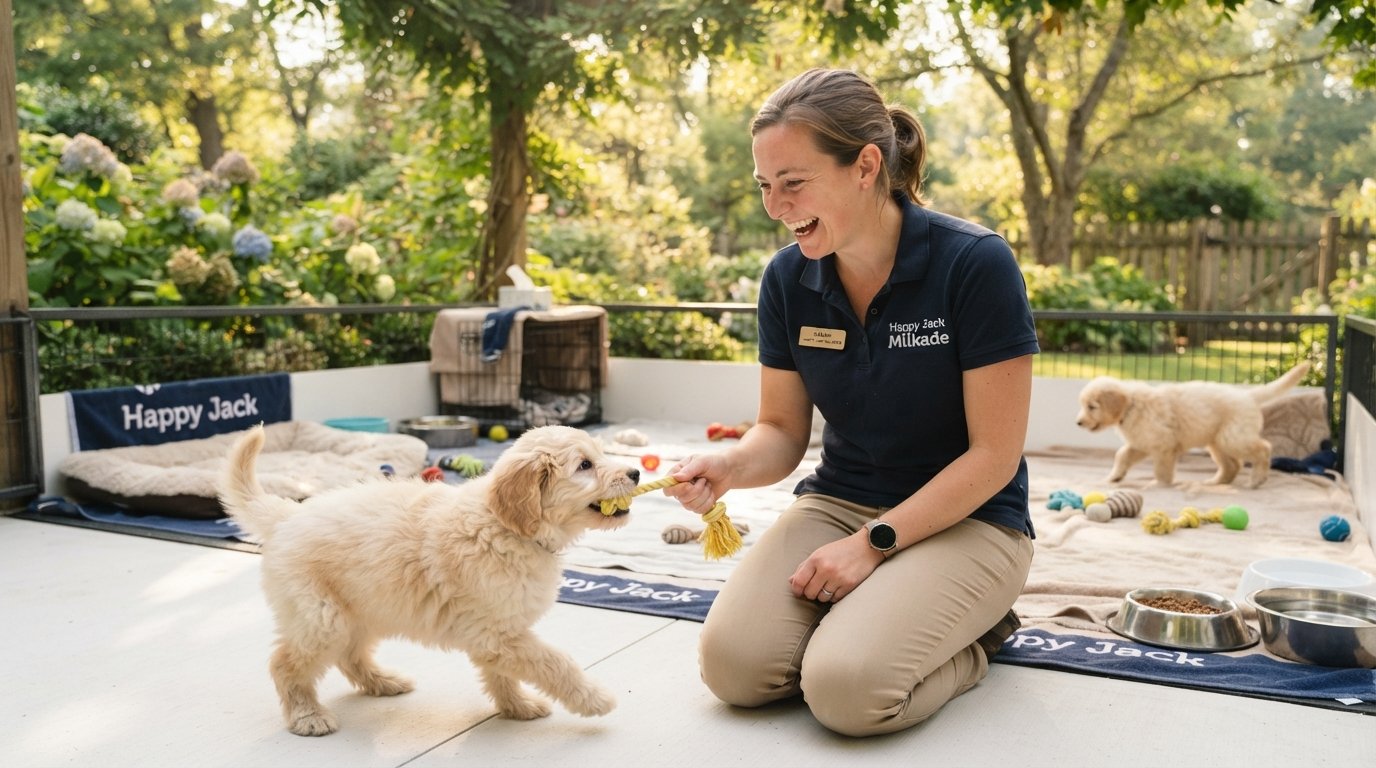
Welcoming puppies brings joy, but it also requires serious care. Your choices affect the mother and each puppy from planning through placement.
Happy Jack Milkade dog breeding is not a dog breed. Happy Jack Milkade is a product name, so consider breeding choices separately from using a milk replacer.
This guide explains responsible dog breeding and puppy care in the United States. It shows why veterinary guidance matters and how to put animal welfare first. You will also learn how to check breeder claims before acting.
What Happy Jack Milkade Is and How It Relates to Dog Breeding
Happy Jack Milkade is a feeding product, not a dog breed or breeding program. A puppy milk replacer cannot prove a puppy’s pedigree or show a breeder’s quality.
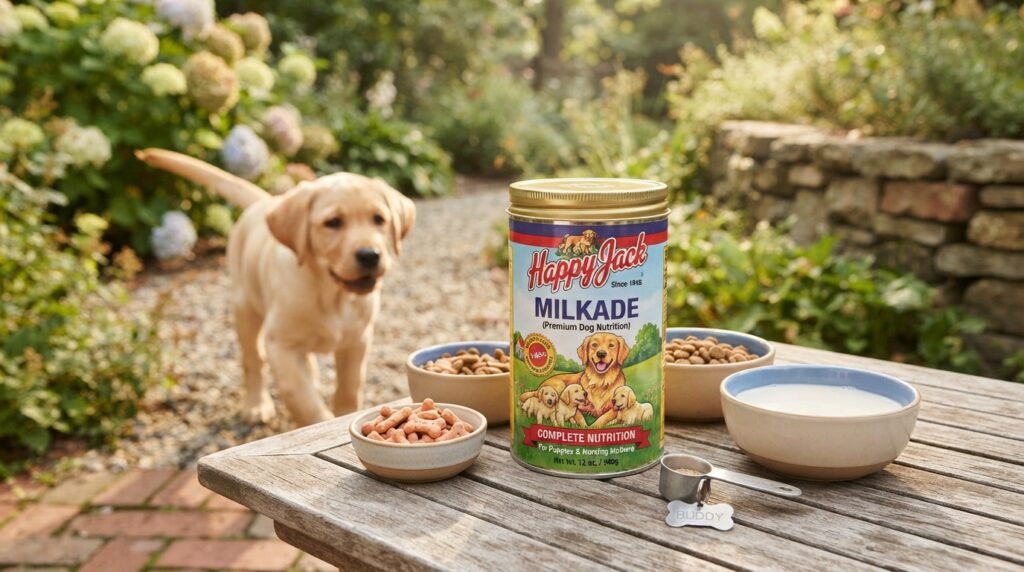
Understand the difference between a milk replacer and a dog breed
The phrase “best milkade dog breeders” names no official group or credential. Judge breeders by their care practices and records, not feeding-product claims.
Check the product label and manufacturer’s current directions
Before using the Happy Jack Milkade product, read its current label and manufacturer information. Check its intended use, preparation steps, storage rules, and warnings because directions may change.
Do not assume a puppy milk replacer suits every puppy or situation. Ask your veterinarian before feeding it, especially to newborns or puppies with health concerns.
Happy Jack Milkade Dog Breeding: Start With Responsible Planning
Breeding requires more than a product or a litter plan. With happy jack milkade dog breeding, first decide if each dog is fit to breed. Then confirm you can support the dam and puppies through every stage of care.

Assess your dogs’ health, temperament, and suitability for breeding
Ask your veterinarian to review each dog’s health, age, temperament, and breed-specific risks. Complete all recommended health screenings before mating. A sound temperament and good test results help, but they cannot guarantee safe breeding for every dog.
Plan for veterinary care, costs, and lifelong puppy placement
Build a responsible breeding plan for prenatal visits, supplies, emergency care, and litter time; save for unexpected veterinary bills. High-quality milkade dog breeding requires home screening, post-placement support, and a commitment to take them back if homes cannot keep them.
How to Find Reputable Happy Jack Milkade Breeders
Happy Jack Milkade is a feeding product, not proof of a breeder’s quality. To assess reputable happy jack milkade breeders, examine their breeding program, adult dog care, and puppy placement practices.

Look for transparent health records and responsible breeding practices
Ask to review breeder health records, veterinary care details, and breed-appropriate screening results. Learn how the breeder chooses mating pairs and protects adult dogs’ health and comfort. Clear answers and complete records help you judge the program.
Ask how puppies are raised, socialized, and matched with homes
Ask where puppies live and how they safely experience household sounds, surfaces, and gentle handling. Good puppy socialization begins with calm, age-appropriate experiences. Ask how the breeder learns each puppy’s needs and evaluates homes before matching them.
Choosing Experienced Milkade Dog Breeders and Breeding Support
Product knowledge can support puppy feeding, but it does not prove breeding skill. When assessing experienced milkade dog breeders, seek clear records, reliable references, and cooperation with a licensed veterinarian.
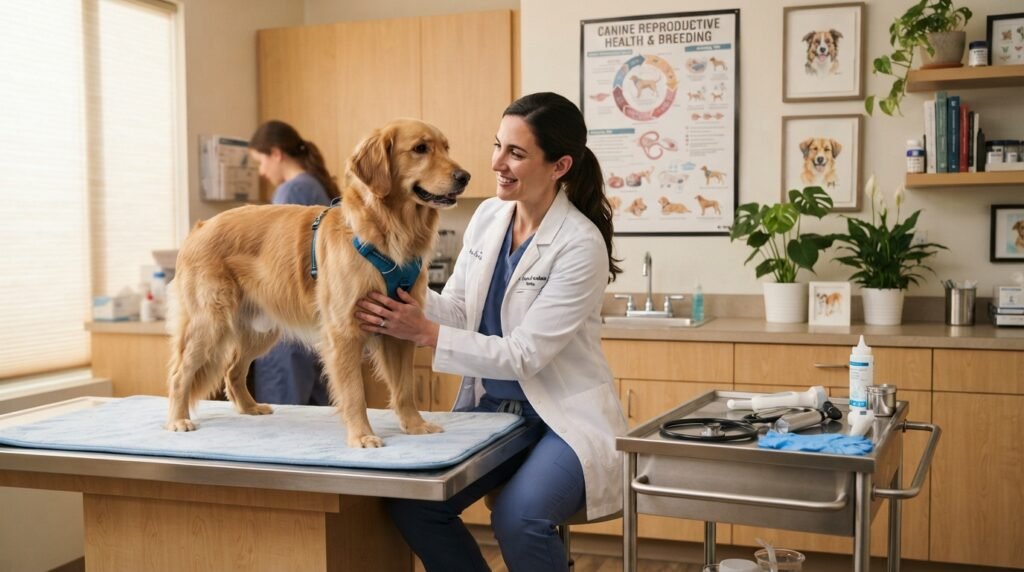
Verify veterinary and reproductive-care experience
Ask who provides canine reproductive care and what training that person has. Find out which veterinarian oversees the dogs and what emergency plan covers labor or other complications.
Request examples of health records and references from past puppy owners. A responsible breeder should explain pregnancy risks and when they seek veterinary help.
Be cautious of unsupported claims about certified Happy Jack dog breeders
Ask who issued the credential and what it covers if someone claims to be among certified happy jack dog breeders. Check whether that organization can confirm it independently.
Familiarity with Happy Jack Milkade may show product experience, but it does not prove breeding expertise. Consider the breeder’s records, veterinary support, and care practices before making a decision.
Health Screening and Veterinary Care Before Breeding
Good planning starts with a veterinary visit before mating. Pre-breeding veterinary care lets you review each dog’s health and decide if breeding is a sound choice.
Discuss breed-specific testing and reproductive risks with your veterinarian
Bring medical records and ask about vaccines, parasite control, and breed-specific health testing for your dog’s breed or mix. Your veterinarian can review age, past health issues, and reproductive health risks for each dog.
Use that advice to decide whether either dog needs more testing or should not be bred. The right plan depends on each dog’s health, history, and breed.
Prepare a care plan for the dam before, during, and after pregnancy
Plan checkups, monitoring, and nutrition guidance for the dam during pregnancy and after delivery. Ask when follow-up visits should happen and which changes require urgent care.
Keep the emergency veterinary clinic’s number and route easy to find. A clear plan helps you act quickly if a concern arises.
Pregnancy, Whelping, and Newborn Puppy Care
Good whelping preparation creates a calm delivery space and helps you watch every puppy closely. Set up the area before labor starts, and ask your veterinarian which supplies should stay nearby.
Prepare a clean, safe whelping area and emergency plan
Choose a quiet, clean space with safe bedding and steady warmth. The dam needs room to rest while you watch the puppies. Keep veterinarian-recommended care items within reach.
Before labor, save the emergency veterinary clinic’s number and address. Plan how to get there if labor stalls or delivery causes concern. Keep your veterinarian’s instructions easy to find.
Monitor newborn puppies and contact a veterinarian when concerns arise
Check the dam and each puppy often for feeding, warmth, and activity. Good dam and litter care supports newborn puppy health during the first days.
Contact a veterinarian promptly if a puppy seems weak, cannot feed, or changes suddenly. Seek help for any concerning change in the dam, too.
Using Happy Jack Milkade for Puppies: Safety and Feeding Guidance
Young puppies may need extra care when nursing is difficult or their mother cannot feed them. Use Happy Jack Milkade only as directed on the current product label and by your veterinarian. Each puppy’s needs can differ.
Follow product directions and your veterinarian’s feeding advice
For safe Happy Jack Milkade feeding guidance, follow the label for mixing, amounts, feeding times, and storage. Do not rely on general online directions in place of the current label. Ask your veterinarian if any step is unclear.
Know when supplemental feeding may be appropriate
Not every puppy needs puppy supplemental feeding. Your veterinarian can check the puppy, look for the cause of poor nursing or slow growth, and advise on next steps. If extra milk is needed, ask for a veterinarian-approved feeding plan suited to the puppy’s age and condition.
How to Evaluate Top Happy Jack Milkade Puppies and Breeder Claims
Evaluate each puppy by health, daily care, and behavior, not product references or sales language. A careful puppy breeder evaluation helps you ask clear questions and choose with confidence.
Review health documentation, living conditions, and socialization
Request veterinary records, exam notes, and relevant health screening. Check that puppies look alert, receive good care, and live in a clean, safe space. Ask how breeders handle them and introduce age-appropriate sights, sounds, and people; arrange an independent veterinary exam when appropriate.
Compare services by welfare standards, not promises
When comparing premium dog breeding services, seek humane care, open communication, and clear health practices. Treat claims that puppies are the best or guaranteed healthy with care; records and responsible support matter more. Choose a breeder who puts each puppy’s welfare first.
Finding Trusted Milkade Puppy Breeders in the United States
Referrals can start your search, but they cannot replace careful checks. Treat each recommendation as a starting point, then research the breeder before choosing.
Use referrals and local resources, then verify each breeder independently
Ask your veterinarian, established breed clubs, and local animal-care professionals for United States dog breeder referrals. Then independently confirm the breeder’s identity, health records, and facilities. Ask clear questions about puppy care and how the breeder raises each litter.
Be careful if a breeder pressures you to pay before checking important details. Trusted milkade puppy breeders should welcome reasonable questions and provide records for your review.
Review contracts, return policies, and puppy placement practices
Read the puppy purchase contract before you commit. Make sure you understand its health terms and registration claims. Review its return or rehoming policy and expectations for staying in touch after placement.
Ask how the breeder matches puppies with homes and what support remains available if your needs change. Clear terms help you make an informed choice and protect the puppy’s welfare.
Conclusion
Happy Jack Milkade is a product, not a dog breed or proof of a breeder’s skill. If you are considering a litter, responsible puppy breeding starts with sound planning and guidance from your veterinarian.
Check health records, living conditions, and how puppies are raised before choosing a breeder. Ethical breeder selection means looking beyond marketing claims and putting the dogs’ welfare first.
If your veterinarian recommends Milkade, follow the current label directions and ask about Happy Jack Milkade safety for your puppies. Plan for each puppy’s care, suitable placement, and lifelong needs.