
Top Hairless Dog Breeds to Love in the United States.
Explore hairless dog breeds, compare their care needs and temperaments, and find the right companion for your home and lifestyle in the United States with confidence.
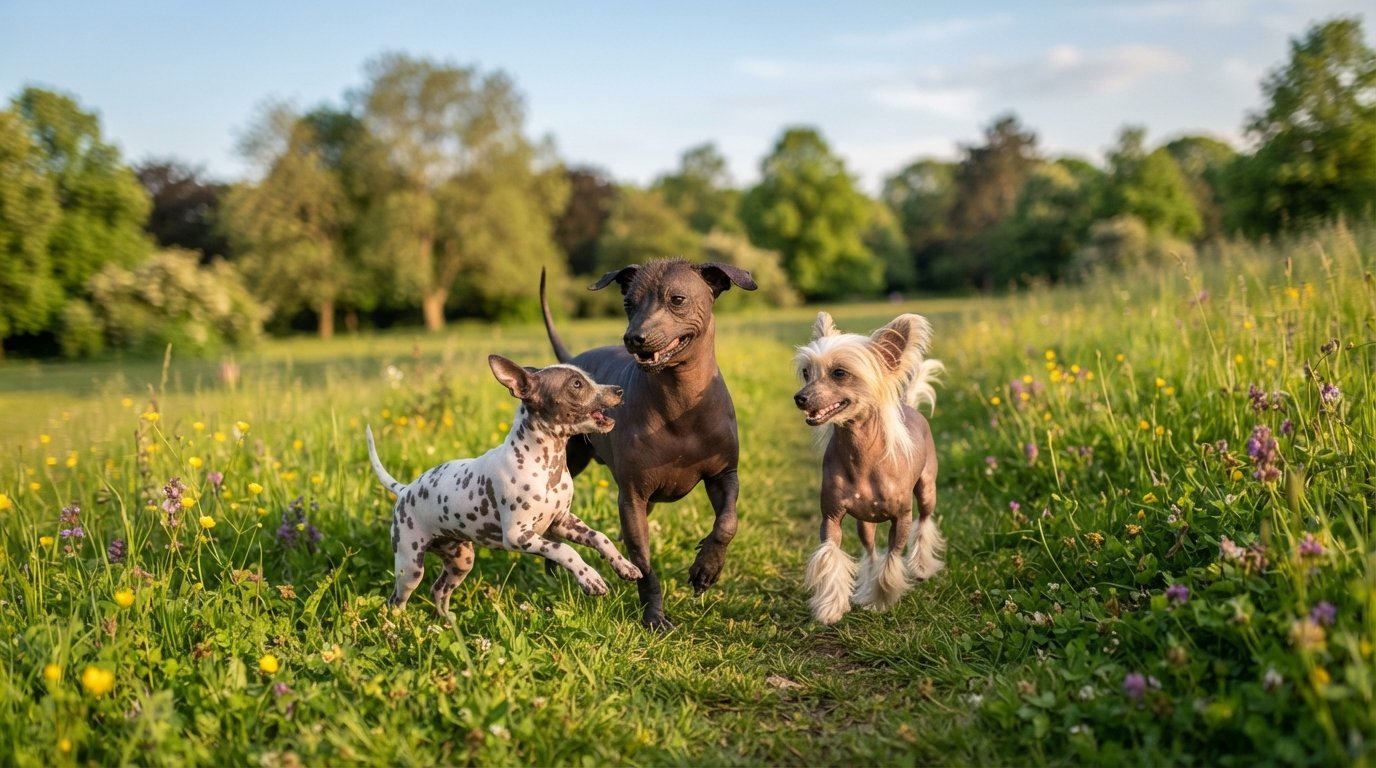
Hairless dog breeds stand out with bare skin and lively personalities. This guide compares popular breeds, including the best hairless dog breeds, and helps you choose one for your home and routine.
Little or no fur does not mean less care or guarantee allergy relief. Find breed profiles, skin and health tips, and allergy facts. Get advice on finding hairless dogs in the United States through a responsible breeder or rescue group.
Why Hairless Dog Breeds Appeal to Many U.S. Dog Owners
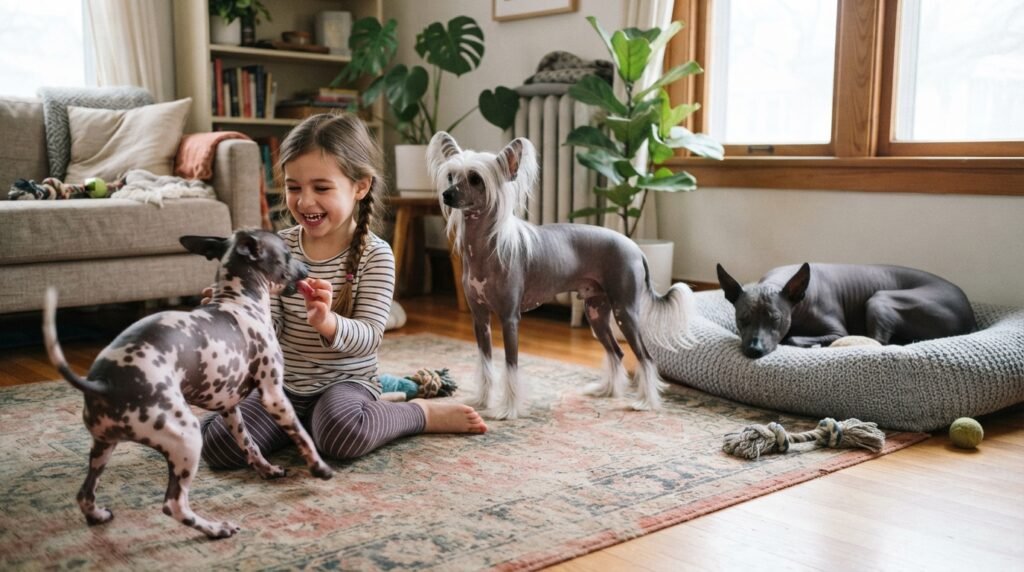
Hairless dog breeds stand out because of their bare skin and striking looks. Their needs and personalities vary, so learn about each dog before bringing one home.
What to know about their appearance and temperament
Some hairless dog breeds have exposed skin, with hair on the head, feet, or tail. Some breeds may also have a coated variety in the same family. Hairless dog temperament varies; breeding, socialization, and past experiences shape behavior.
Why little or no fur does not mean low maintenance
Good hairless dog care takes time and attention because bare skin needs regular care. Use gentle baths, protect skin from strong sun and cold, and ask a veterinarian about irritation or skin problems. Dogs with little fur can still shed skin cells and produce allergens, so they are not allergy-free.
Meet the Chinese Crested Dog
The chinese crested dog is a small companion breed with two distinct coat types. A litter may include Hairless and Powderpuff puppies.
How the Hairless and Powderpuff varieties differ
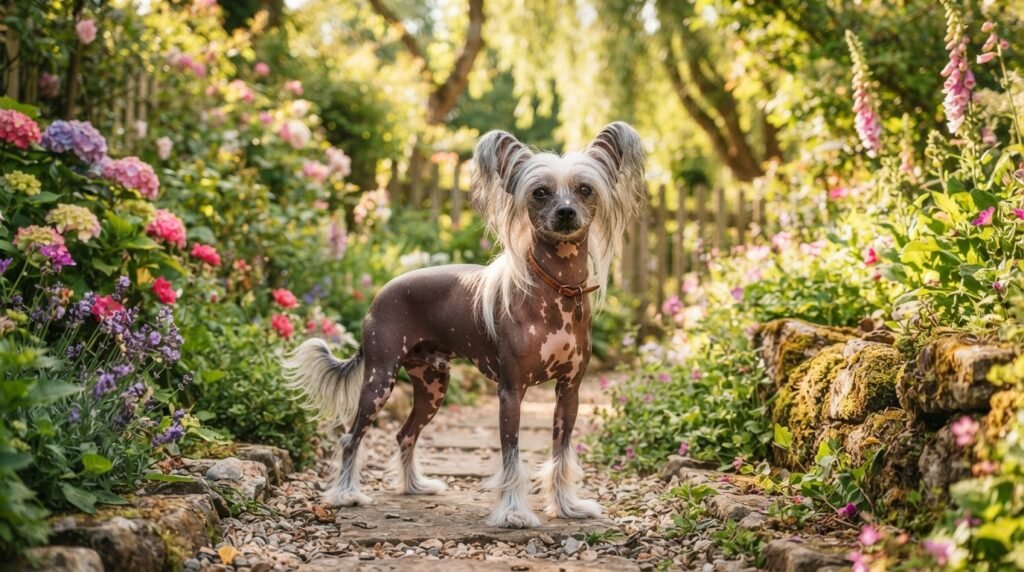
Chinese Crested Hairless dogs usually have hair on the head, feet, and tail. Bare skin covers much of the body, so gentle care protects it from sun and cold.
The Chinese Crested Powderpuff has a soft, full coat. Regular brushing prevents tangles and keeps the coat healthy. Both types belong to the same breed.
What to expect from this affectionate companion
This breed is often affectionate and people-oriented. Your dog may enjoy staying close and joining daily activities, but each dog has its own personality. Early social time and kind, steady training can help your companion feel at ease.
Get to Know the Xoloitzcuintli, or Mexican Hairless Dog
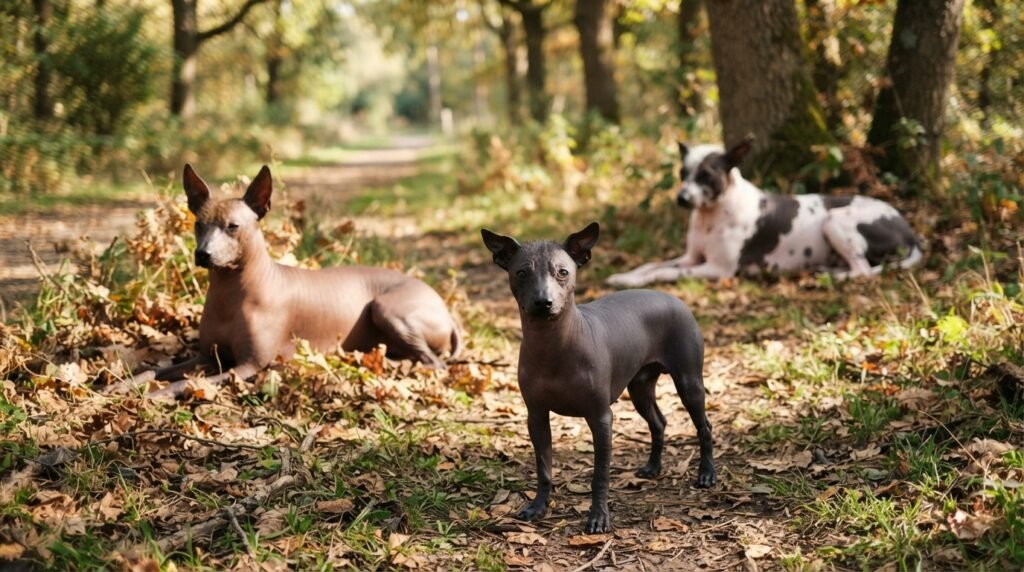
The xoloitzcuintli, often called a Xolo or mexican hairless dog, is an ancient breed with hairless and coated varieties. Your dog’s grooming needs depend on its coat type.
How Xolos Vary in Size and Coat
The American Kennel Club recognizes Toy, Miniature, and Standard Xolos. These Xoloitzcuintli sizes suit different homes, but each dog needs care suited to its needs.
Hairless Xolos need regular skin care and protection from harsh sun and cold. Coated Xolos need routine brushing to keep their coat clean and free of tangles.
Personality, Exercise, and Training Considerations
Many Xolos are alert and form close bonds with their families. Each dog has its temperament, so early socialization can help your Xolo feel at ease around people and other pets.
Use reward-based training and keep sessions short and calm. Offer regular exercise that fits your dog’s age and health, such as walks and play.
Discover the Peruvian Inca Orchid
The peruvian inca orchid is called the Peruvian Hairless Dog in the United States. This ancient breed has a graceful look and alert nature. It comes in hairless and coated varieties.
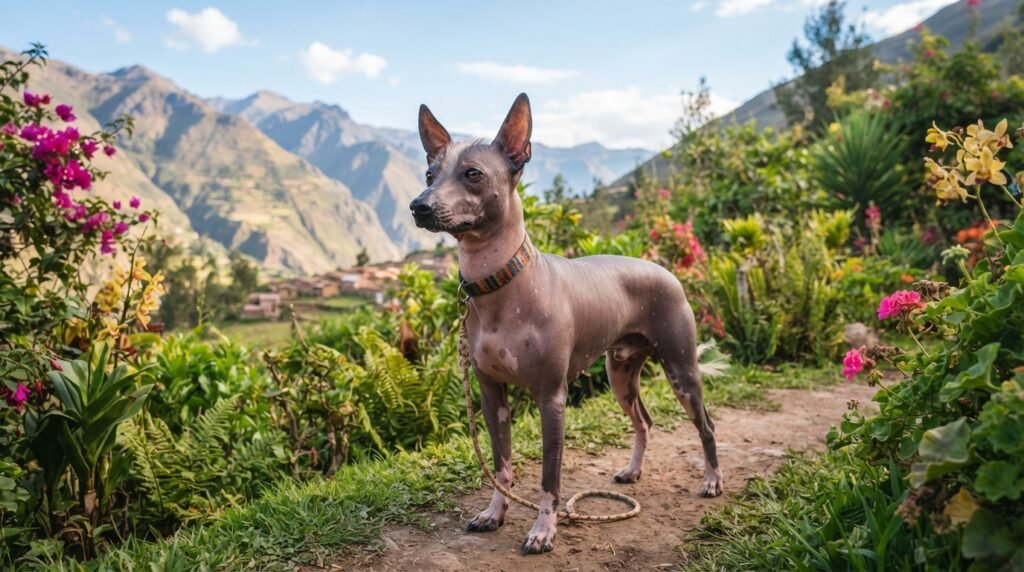
Traits and sizes of this elegant breed
This athletic breed comes in small, medium, and large sizes. Its lean body and long legs resemble a hairless sighthound, but each dog has a unique shape and temperament.
What you should know about its care and activity needs
Exposed skin may react badly to strong sun, while the breed may feel cold in chilly weather. Your dog may need sun protection and warm clothing, based on its needs.
Plan daily activity, play, and mental enrichment. Use a secure area for off-leash exercise because a curious dog may chase moving animals. Research breed-specific health concerns, and ask your veterinarian to confirm proper care for your dog.
Consider the American Hairless Terrier
For a distinct U.S. breed, consider the American Hairless Terrier. It came from hairless Rat Terrier ancestry, and the American Kennel Club recognizes it as a separate breed. Unlike some small hairless dogs, it has no coated variety.
How this breed differs from other hairless dogs
This small-to-medium terrier has no coat, but its skin still needs care. Protect it from harsh sun and cold, and check for irritation regularly.
Its suitability for active households
Terrier exercise needs include more than a quick trip outside. Daily walks, lively play, training, and food puzzles can keep your dog active and engaged. An active home may suit this breed if you provide steady exercise and supervise play with children or other pets.
Explore Rare Hairless Dog Breeds
Some rare hairless dog breeds come from specific regions and local traditions. You may encounter the Argentine Pila and South American Khala, but recognition and breed status vary by country and organization.
Less common breeds and regional varieties
These names may describe local dog populations, not breeds with one shared standard and well-documented history. A dog’s look and traits can vary across regions, so check how experts define each type.
How to research breed history and responsible breeders
When exploring hairless dog breed history, compare claims with established breed organizations, veterinary sources, and specialists familiar with these dogs. Ask breeders about health testing, daily care, living conditions, and lifelong support. Clear records and open answers matter when a breed is rare.
Find the Right Small Hairless Dog for Your Home
Chinese Cresteds, Toy or Miniature Xoloitzcuintlis, and small American Hairless Terriers can suit different homes. Compare their energy, confidence, and care needs with your daily routine. A small body does not promise a quiet, low-energy dog or a good fit for every apartment.
Small-breed traits to consider before choosing
Small hairless dog breeds may be lively, alert, or sensitive to cold. Ask about each breed and the individual dog’s habits. Consider stairs, thin walls, and room for safe indoor play. Keep the space comfortable, and plan outdoor exercise in suitable weather.
Apartment living, socialization, and daily exercise
Some apartment dogs bark at hallway sounds or need time to adjust to neighbors and city noise. Start socialization early, and use reward-based training to build calm habits. Give your dog walks, play, attention, and chances to explore beyond indoor time.
Compare the Best Hairless Dog Breeds for Your Lifestyle
A hairless dog comparison should look beyond appearance. Compare each breed’s size, activity needs, skin care, and temperament. Then match those traits with your daily routine.
Match energy levels and temperament to your routine
Compare the best hairless dog breeds by their energy and temperament. The Chinese Crested is small, playful, and often enjoys close company. Xoloitzcuintlis come in toy, miniature, and standard sizes.
Xoloitzcuintlis tend to be alert and need regular exercise and training. Peruvian Inca Orchids vary in size and can be lively, sensitive companions. The small American Hairless Terrier is often energetic and enjoys active play.
All four need skin care, but their needs can differ. Breed descriptions offer a starting point, not a promise of behavior. When choosing a dog for your lifestyle, consider your schedule, dog experience, and time for training and skin care.
Consider children, other pets, and time at home
Plan calm, supervised introductions to children and other pets. Each dog has its own comfort level, so give it space. Watch how it responds.
Consider how long your dog will be home alone. These breeds often value companionship, so arrange a trusted sitter or walker. You can also use gradual alone-time training when your days are busy.
Care for Your Hairless Dog’s Skin and Health
Hairless dogs need care based on their skin, breed, and daily routine. Gentle habits help prevent irritation and protect dogs from sun and cold.
Bathing, Moisturizing, and Sun Protection
For hairless dog skin care, use gentle baths and products recommended by your veterinarian. Ask about bathing schedules and products if your dog has dry skin, acne, irritation, or sensitivity. Avoid human lotions and sunscreen unless your veterinarian approves them, because licking some ingredients can harm your dog.
Limit time in strong sunlight, especially during peak daylight hours. Hairless dog sun protection can include suitable protective clothing when your dog feels comfortable wearing it. Ask your veterinarian before using any sunscreen.
Cold-Weather Comfort and Dental Care
During cold weather, provide warm layers and keep indoor spaces comfortable. Watch for shivering or other signs of cold, then adjust your dog’s routine as needed.
Chinese Crested dogs and Xoloitzcuintli may have dental concerns. Regular brushing and veterinary dental checks are key parts of hairless dog dental care.
Are Hairless Dogs Hypoallergenic?
No dog breed is guaranteed to be hypoallergenic. Hairless dogs and allergies can still be a concern because a dog’s skin may carry allergens without a coat.
How dog allergies relate to dander and saliva
Many people react to proteins in dog dander, saliva, or urine, not fur itself. Hair can spread dander through a home, but hairless dogs can still shed skin cells and leave saliva on surfaces. So-called hypoallergenic dog breeds may cause fewer symptoms for some people, but no breed is allergy-free.
Ways to test your sensitivity before adopting
Talk with an allergist before adopting. Dog allergy testing can help identify your triggers, but it cannot predict every reaction to one specific dog. Spend time with that dog in more than one setting, if possible, and watch for symptoms.
Past exposure does not guarantee future tolerance. Regular cleaning and air filtration may help manage allergens, but they cannot remove them all.
Choose and Bring Home a Hairless Dog in the United States
Take time to find a dog that fits your home and routine. For hairless dog adoption, check local shelters, breed-specific rescues, established breed clubs, and the American Kennel Club’s breeder resources.
How to find reputable breeders and rescue organizations
Meet the dog before you commit, and ask how it responds to people and daily handling. A responsible dog breeder should share veterinary records, health test results, parent temperament details, and early socialization information. Review the contract, and ask what support or return policy the breeder offers.
Questions to ask and costs to plan for
Plan for more than an adoption fee or purchase price. Your budget should cover routine vet visits, food, training, dental care, and skin products recommended by your veterinarian. You may also need clothing to help your dog stay warm.
Is a “Sphynx dog” a real breed?
No. The Sphynx is a hairless cat breed, not a dog breed, and “sphynx dog” is not a recognized dog-breed name. Check a seller’s claims with a trusted breed organization or veterinary professional before proceeding.
Conclusion
The best hairless dog breeds for you depend on more than looks. Consider each dog’s temperament, size, energy level, health needs, and fit with your home and daily routine.
Before choosing a hairless dog, meet the individual dog and ask clear questions about its care and history. Check breeder records or rescue details, then plan for skin care, dental care, training, and protection from sun and cold.
Hairlessness does not remove grooming needs or the chance of an allergic reaction. With realistic expectations and steady care, hairless dog ownership can be a rewarding match for you and your new companion.