
Dogs Newfoundland Breed Characteristics And Care Guide.
Learn what to expect from dogs newfoundland breed, including temperament, grooming, exercise, training, health care, and tips for choosing the right companion.
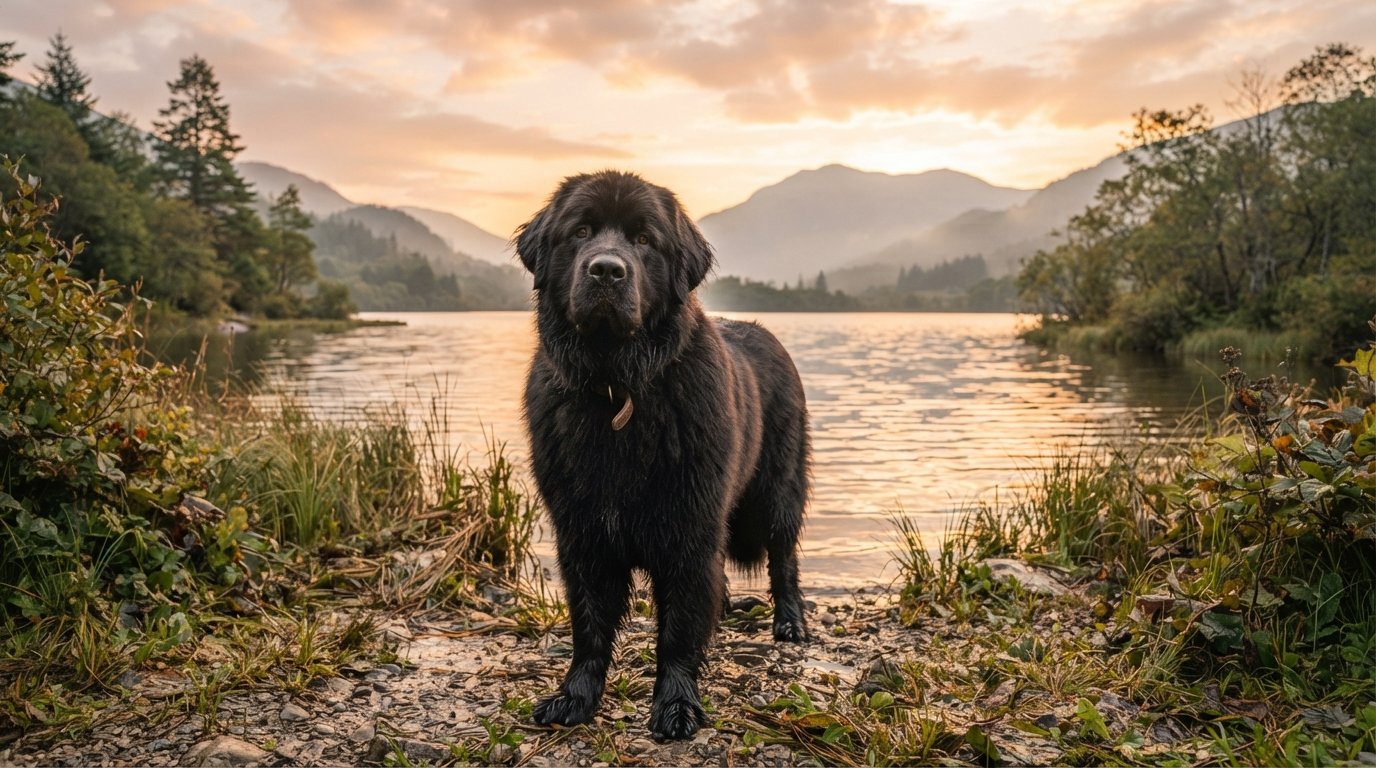
A Newfoundland’s calm presence can make a busy home feel quieter. This powerful working dog has a thick, water-resistant coat and strong swimming skills. If you like the dogs newfoundland breed, learn what daily life with one involves.
This guide covers the breed’s history, looks, temperament, care, training, and health. Learning about newfoundland breed characteristics helps you plan for its giant size and grooming needs. Plan carefully before bringing a Newfoundland home.
Dogs newfoundland breed: An Overview
Newfoundlands are powerful, gentle dogs known for water skills and calm companionship. For newfoundland dog information, start with their broad head, strong bones, webbed feet, and dense double coat.
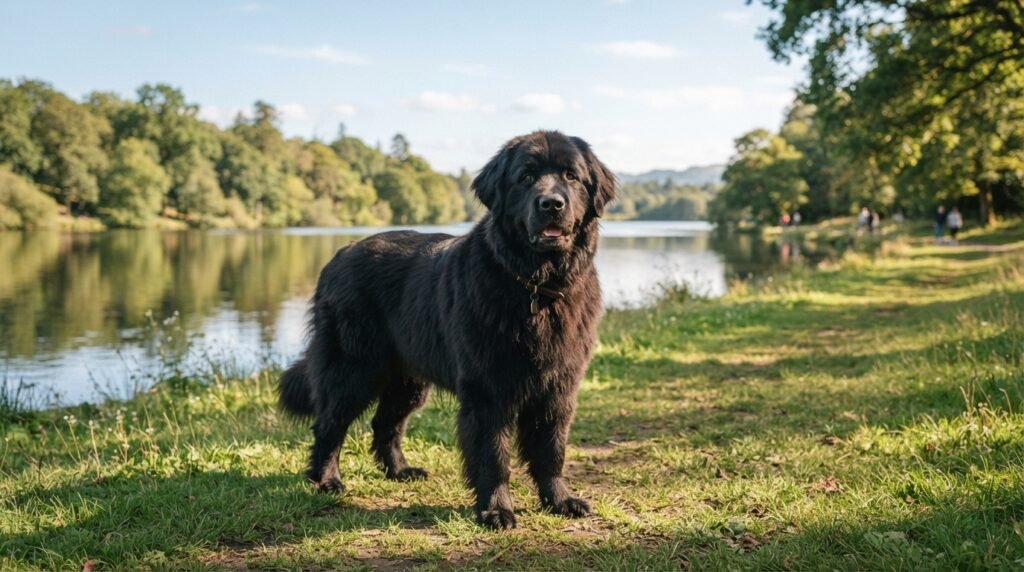
Newfoundland dog information at a glance
The American Kennel Club places the Newfoundland in its Working Group. These dogs have a thick coat that protects them in cold water. Their webbed feet and strength make them capable swimmers and water workers.
Size, lifespan, and breed group
Adult males are typically larger than females. The AKC breed standard lists an approximate shoulder height of 28 inches for males and 26 inches for females. Adults often weigh 100 to 150 pounds, though size varies between dogs.
Many Newfoundlands live about 9 to 10 years. Health, care, and individual traits can affect a dog’s lifespan. Their great size matters when learning about dogs newfoundland breed traits and daily needs.
Newfoundland Dog Breed History and Origins
The Newfoundland dog breed history begins on Newfoundland, now part of Canada. There, dogs faced cold weather, rough shores, and demanding work. Because records are incomplete, the breed’s exact beginnings remain uncertain.
How the Breed Developed in Canada
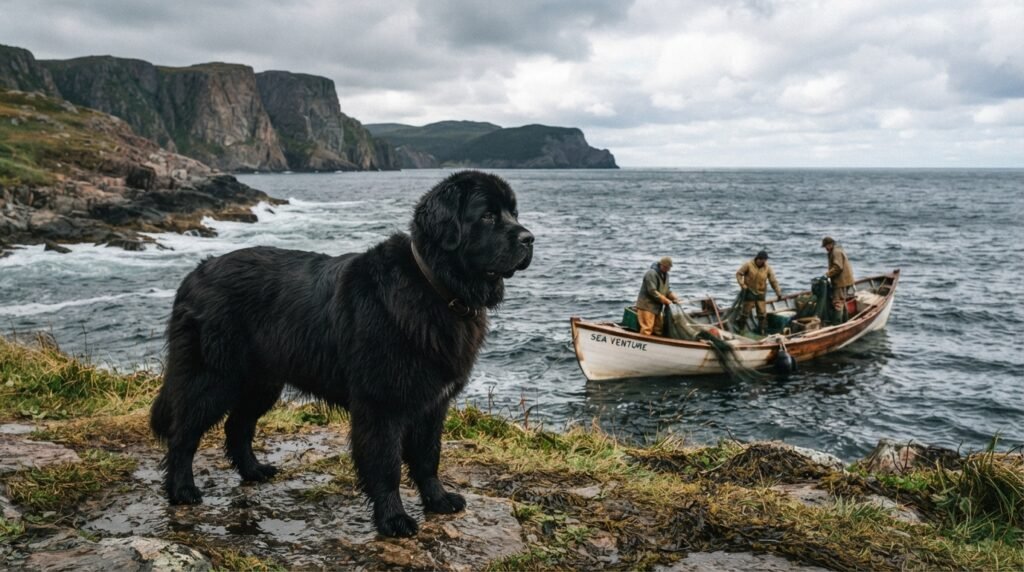
Over time, local dogs suited to life near the water gained strength and stamina. Fishermen valued their thick, water-resistant coats for cold, wet work. These traits helped shape the powerful dog recognized today.
Working Roles on Land and Water
Newfoundland working dog origins are closely tied to fishing communities. The dogs hauled nets and gear, carried loads, and helped people in the water. Strong bodies, swimming skills, and steady natures made them trusted companions on shore and at sea.
Newfoundland Breed Characteristics and Appearance
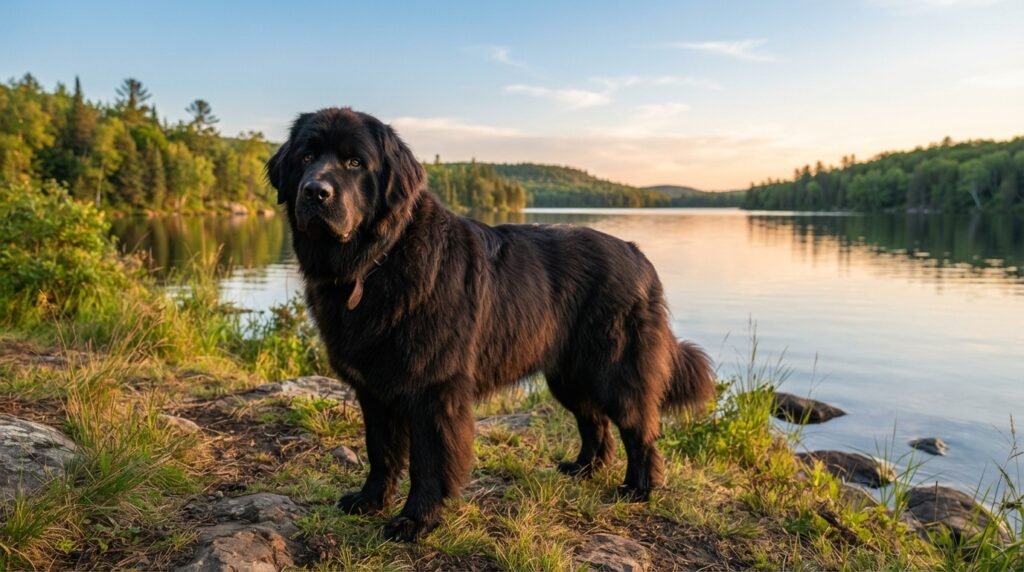
Your first look at a Newfoundland may focus on size. A deep chest, strong legs, broad head, and heavy frame give this dog a powerful look. These newfoundland breed characteristics fit a dog made for demanding work.
Coat, Build, and Distinctive Features
A thick double coat protects a Newfoundland from cold water and harsh weather, but it needs regular brushing. Brush it to manage loose hair and tangles. After a swim or bath, dry the dense coat patiently with towels in a warm, draft-free space.
Popular Newfoundland Dog Colors, Including Gray and Grey
Under the AKC standard, popular newfoundland dog colors include black, brown, gray, and black-and-white. Other kennel organizations may use different terms or recognize different varieties. In some countries, a black-and-white Newfoundland is called a Landseer, but the AKC treats this pattern as a Newfoundland color.
A gray newfoundland dog and a grey newfie describe the same coat color; “gray” and “grey” are spelling variants. Coat color alone does not determine a dog’s health or temperament, so consider the whole dog when choosing a companion.
Newfoundland Dog Breed Temperament and Family Life
Newfoundlands are affectionate, patient, and eager to stay near their families. The newfoundland dog breed temperament. can support a gentle family dog, but every dog is unique. Genes, socialization, training, and past experiences all shape behavior.
What to expect from a Newfoundland’s personality
You can expect a devoted companion that enjoys being with people. Give your dog clear rules, positive training, and regular chances to meet people and explore new places.
A Newfoundland needs room to move. Its size can cause bumped furniture, knocked-over items, or accidental collisions, so plan your space carefully.
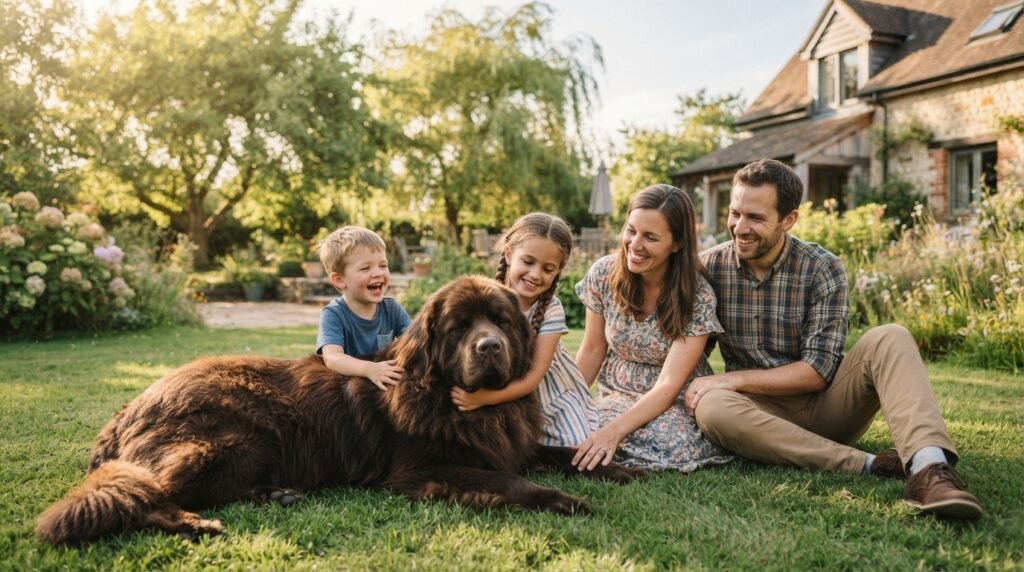
How Newfoundlands do with children and other pets
A Newfoundland with children can be calm and kind, but no breed is automatically safe or right for every home. A large dog may knock over a small child during normal play or movement. Stay close and supervise actively, and teach children to approach gently, respect the dog’s space, and leave it alone while eating or resting.
Early introductions and steady guidance can help your Newfoundland live peacefully with other dogs and household pets. Manage first meetings, watch body language, and give each pet a safe place to retreat.
Caring for a Newfoundland Dog
Caring for a newfoundland dog starts with simple daily habits. Regular coat care, gentle activity, and attention to comfort help your dog thrive.
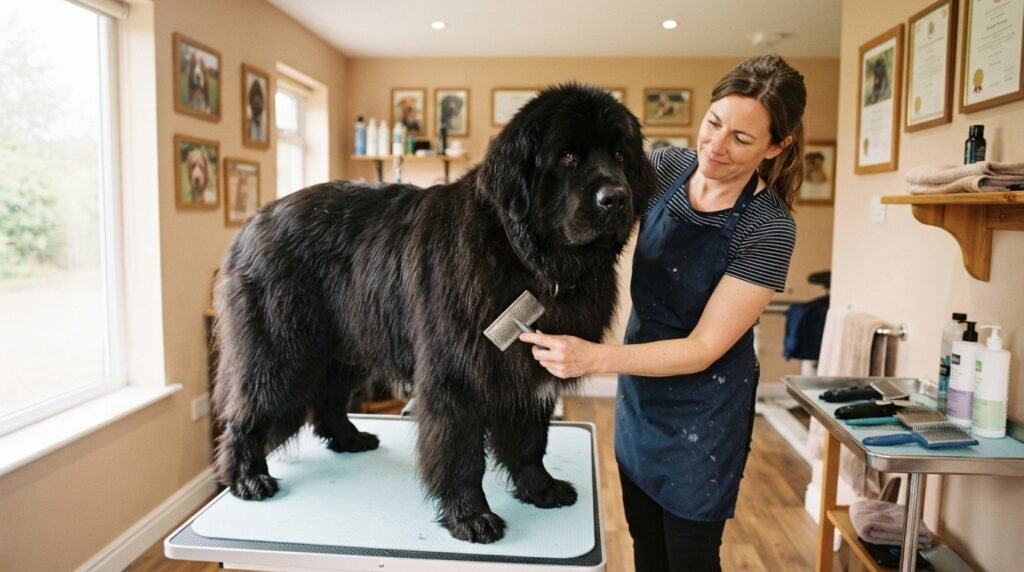
Grooming, shedding, and coat care
Brush your Newfoundland several times each week. Brush more during seasonal shedding to lift loose undercoat and prevent tangles. Check behind the ears and around the legs, where friction can mat the coat.
Good Newfoundland grooming includes checking the ears, trimming nails, and brushing your dog’s teeth. Keep each task calm and brief, so it becomes familiar.
Exercise, swimming, and daily routines
Newfoundland exercise should match your dog’s age and health. Daily walks and supervised swims provide useful activity when conditions are safe. Keep fresh water and shade nearby, and let your dog rest in warm weather.
A thick coat can increase the risk of heat stress. Avoid forced runs and hard activity while puppies’ joints develop. Ask your veterinarian when to increase exercise and what activities are safe.
Feeding and Training Tips for Newfoundland Dogs
Your Newfoundland’s large frame needs careful feeding and early training. Daily habits support steady growth and help you manage a powerful adult dog.
Choosing Food and Managing Portions for a Giant Breed
Choose complete, balanced food made for your dog’s life stage. For puppies, controlled growth is central to giant-breed nutrition. Set portions by body condition, activity, and your veterinarian’s advice, not the package label alone.
Measure meals and track your dog’s weight over time. Ask your veterinarian before changing food or adding supplements. Ask whether a meal schedule or rest period around exercise suits your dog.
Training, Socialization, and Positive Reinforcement
Begin Newfoundland puppy training early with calm, reward-based practice. Teach leash manners, recall, handling, and polite greetings before your puppy reaches full size. These training tips for newfoundland dogs can build safe, steady habits.
Introduce your dog to people, places, sounds, and other animals through gradual, positive steps. Keep sessions brief, reward relaxed behavior, and let your dog approach new experiences comfortably.
Newfoundland Dog Health Issues and Preventive Care
Newfoundland dog health issues can include joint, heart, and urinary conditions. Knowing these risks helps you plan care, but breed risk does not mean your dog will develop a specific illness.
Common health concerns to discuss with your veterinarian
Hip and elbow dysplasia can affect movement. Subaortic stenosis is a heart condition, and cystinuria is a breed-linked urinary disorder. Ask breeders for documented health screening and review available results through the Orthopedic Foundation for Animals. Newfoundland health screening plans may vary by age and family history, so discuss your dog’s plan with your veterinarian.
Preventive care, weight management, and checkups
Provide regular veterinary care, keep vaccinations and parasite prevention current, and schedule checkups. A healthy body condition can ease strain on your dog’s joints. Seek prompt veterinary advice for changes in movement, breathing, urination, appetite, or energy; this supports preventive veterinary care throughout life.
Newfoundland Mixes, Crossbreeds, and Smaller Alternatives
Newfoundland mixes may vary widely, even among littermates. Learn both parent breeds and meet the dog before deciding if it suits your home.
Newfoundland dog and Labrador mix characteristics
A Newfoundland dog and Labrador mix may inherit traits from either parent. Adult size, coat, energy, and temperament can differ, so its name cannot predict your dog’s traits.
What to know about Newfie crossbreeds and Newfoundland mixes
The same uncertainty affects other Newfie cross breeds and every Newfoundland mix. Ask about behavior, medical history, and known background. Request health records when available, and consider shelters and rescue groups during your search.
Is a mini Newfoundland dog a recognized breed?
A mini Newfoundland dog is not a recognized size variety of Newfoundland or a separate American Kennel Club breed. Be cautious of sellers who promise a predictable small size. Ask about health testing and discuss realistic adult-size expectations before you commit.
Conclusion
A Newfoundland can be a devoted companion if you can meet its daily needs. Caring for a newfoundland dog requires regular grooming, kind, steady training, suitable exercise, and lifelong veterinary care.
Before choosing from the dogs newfoundland breed, consider the dog’s size and routine. Also consider your space, budget, climate, and experience. A calm reputation does not replace the time and care each individual dog needs.
Meet adult Newfoundlands and talk with responsible breeders or reputable rescue groups. Ask about health history, temperament, grooming, exercise, and expected costs. Careful preparation can help you decide whether a Newfoundland companion fits your home.