
Crate Training a Puppy at Night: Step By Step Guide
Learn crate training a puppy at night with practical steps for comfort, fewer whines, and better sleep. Build a calm routine you and your puppy can trust.
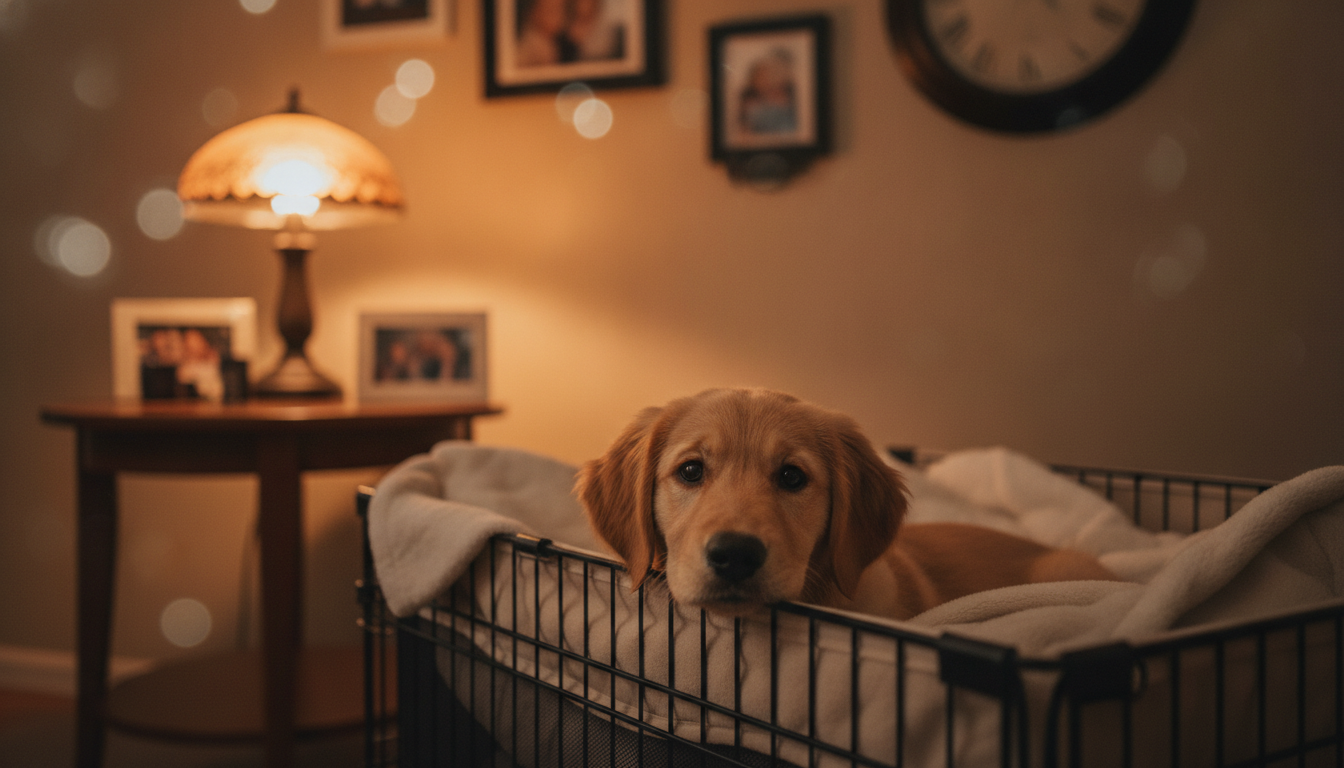
Bringing home a new furry friend is exciting, but those first dark hours can be tough. You want to sleep well and make sure your puppy feels safe and loved.
Learning crate training a puppy at night takes time, patience, and consistency. It’s about making your pet comfortable in their crate, not causing them stress.
This guide will show you how to prepare during the day and set up a good evening routine. We’ll talk about how puppy crate training at night depends on knowing your pet’s personality and needs.
You’ll find out how to handle bathroom breaks and calm your puppy when they whine. By focusing on nighttime puppy training, you lay a strong foundation for the future. Every dog is different, but your hard work today will bring calm mornings for years ahead.
Why Crate Training a Puppy at Night Supports Better Sleep
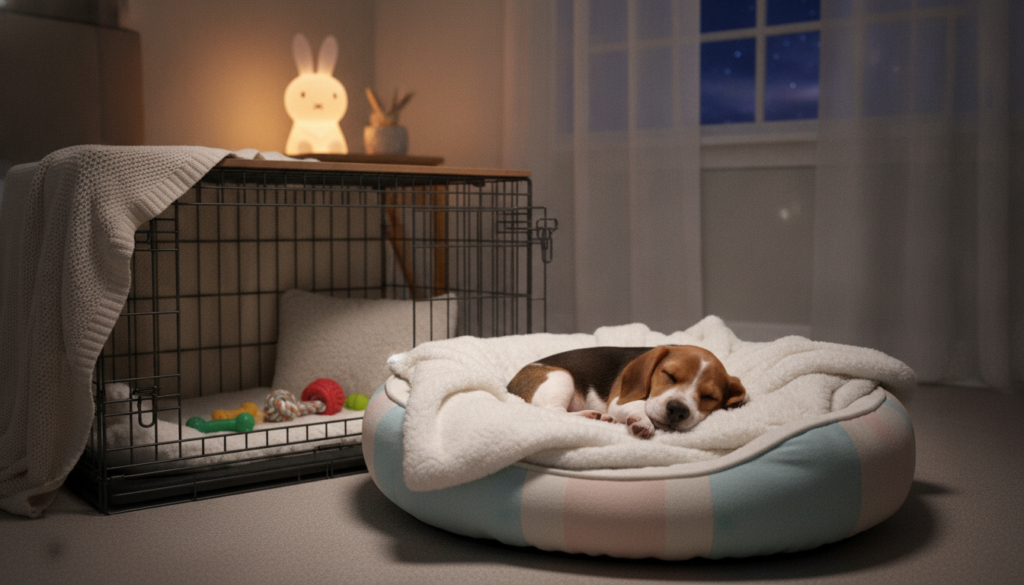
A crate is like a natural den for your puppy, helping them sleep well. It provides a consistent space, making your puppy feel safe and secure. This is key for a good puppy sleep routine.
How a Properly Used Crate Creates a Safe Sleeping Space
Dogs naturally seek small, enclosed areas for safety. A crate gives your puppy a cozy space that feels like home. It helps them stay in one place at night, rather than roaming.
The crate also keeps your puppy safe from harm. It stops them from getting into trouble or getting stuck. This lets you sleep better, knowing your puppy is safe.
What Overnight Crate Training Can and Cannot Accomplish
Overnight crate training helps establish a routine. It teaches your puppy that night is for sleep, not play. But, it’s important to remember your puppy’s needs.
A crate helps your puppy relax, but it can’t stop them from needing to go outside. You must still take them out often, especially when they’re young. It also can’t make your puppy quiet right away.
How Age Age And Individual Needs Affect Progress
Puppies grow at different rates, and age is a big factor. Young puppies need to go out more often to avoid accidents. You should adjust your plans based on your puppy’s breed, energy, and bladder control.
Some puppies adjust quickly, while others take longer. Watch your puppy’s cues to make sure they’re comfortable. Slow, steady progress is best for long-term success.
Prepare Your Puppy and Home Before the First Night
Getting your puppy settled in starts before the first night. Organizing your space helps you feel more confident. A well-thought-out puppy crate setup reduces stress for you and your puppy.
Choose a Crate with Enough Room to Stand, Turn, and Lie Down
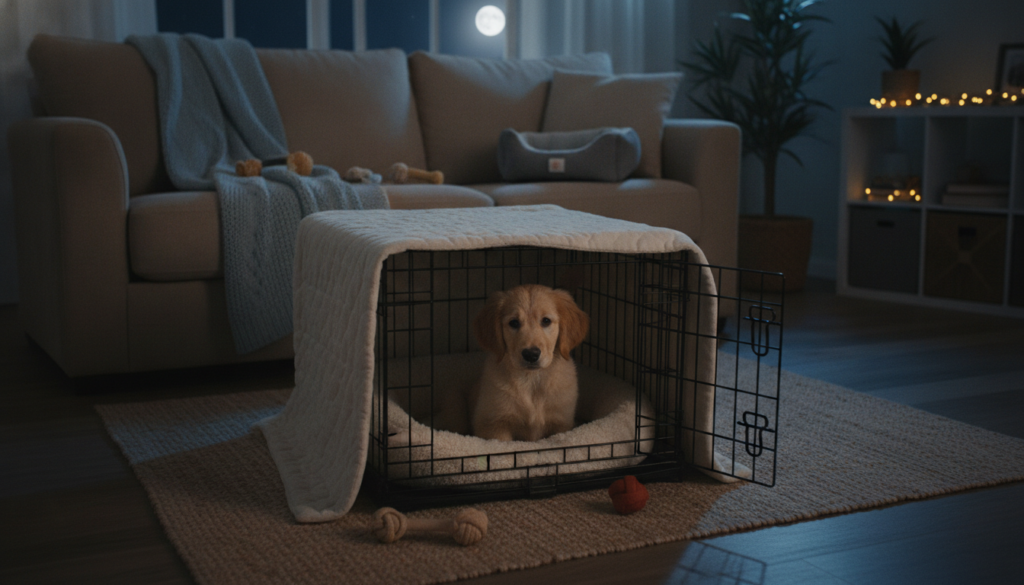
Choosing the right crate size is key for your puppy’s comfort. The crate should let your dog stand, turn, and lie down easily. Don’t pick a crate that’s too big, as it might make your puppy use one corner as a bathroom.
Place the Crate Near Your Bed During the Early Nights
Put the crate near your bed so you can hear your puppy if they need to go out. This close placement reassures your puppy and makes them feel less alone. You can quickly respond to any signs of distress or restlessness at night.
Remove Choking Hazards and Unsafe Bedding
Make the crate a safe space by removing risks. Take out small toys, loose strings, or bedding that your puppy might chew and swallow. A clean interior keeps your puppy safe while you sleep.
Gather Treats, Cleaning Supplies, and a Leash Before Bedtime
Being prepared helps keep the night calm and consistent. Have a leash, high-value treats, and pet-safe cleaning supplies ready. This way, you can handle potty breaks or accidents without disturbing the peace.
Build Positive Feelings About the Crate During the Day
Creating a positive crate association starts long before the sun goes down. By focusing on daytime crate training, you help your puppy view the enclosure as a sanctuary rather than a prison. This proactive approach ensures that your pet feels secure when it is time to sleep.
Leave the Crate Door Open and Let Your Puppy Investigate
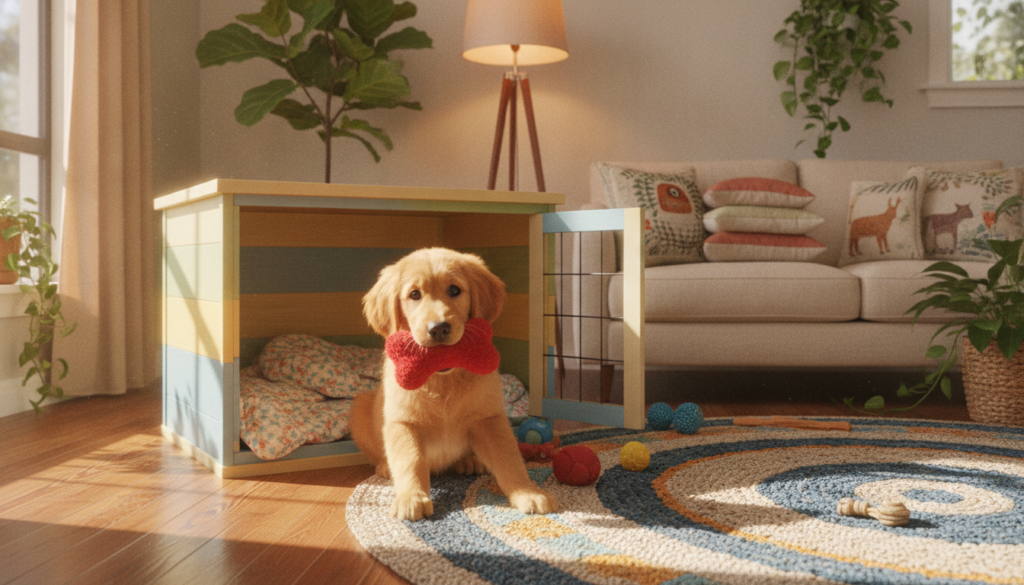
Start by placing the crate in a busy area of your home where your puppy spends most of their time. Keep the door wide open so your puppy can wander in and out freely. This allows them to explore the space without feeling trapped or pressured.
You might notice your puppy sniffing the corners or resting inside for a few minutes. Let them satisfy their curiosity at their own pace. This initial exploration builds confidence and familiarity with the new environment.
Use Meals, Treats, and Favorite Toys to Reward Voluntary Entry
Encouraging voluntary crate entry is essential for long-term success. You can make the space more inviting by placing high-value rewards inside. Try these simple strategies to build interest:
- Place your puppy’s food bowl inside the crate during mealtime.
- Toss small, tasty treats into the back of the crate to reward curiosity.
- Keep a favorite chew toy or puzzle feeder exclusively for crate time.
- Use a calm, happy voice to praise your puppy whenever they step inside.
Practice Brief Door Closures Without Creating Distress
Once your puppy is comfortable entering the crate, you can begin closing the door for very short periods. Start by closing it for just a few seconds while you remain right next to the crate. Open the door before your puppy shows any signs of anxiety or whining.
The goal is to keep these sessions short and stress-free. By ending the closure before your puppy feels distressed, you teach them that the door will always open again. This consistency builds trust and prevents negative reactions to confinement.
Increase Crate Time Gradually While You Remain Nearby
Slowly extend the amount of time the door remains closed as your puppy becomes more relaxed. Continue to stay in the room so your puppy knows you are still close by. If they begin to fuss, you may have increased the time too quickly.
Return to shorter intervals and reward calm behavior with extra praise. By gradually building up these periods, you ensure that the crate remains a predictable and safe space. This steady progress makes the transition to overnight crating much smoother for both you and your puppy.
Establish a Calm Evening Routine Before Bedtime
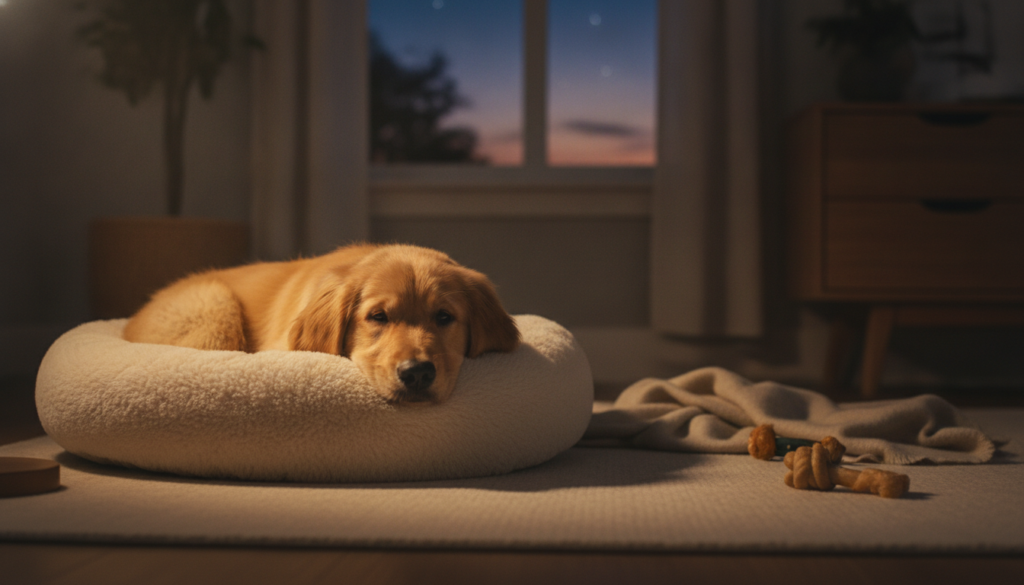
Creating a predictable evening schedule is key for a peaceful night. A consistent puppy bedtime routine signals the end of the day. It makes your dog feel secure and ready for sleep.
Schedule Exercise and Play Early Enough to Avoid Overstimulation
High-energy games and intense training should end at least an hour before bedtime. Playing too close to bedtime can make your puppy too excited. Instead, play your most active games in the late afternoon or early evening.
Offer the Final Meal at a Predictable Time
Feeding your puppy at the same time every evening helps their digestive system. A regular meal schedule makes it easier to know when they need to go outside. Try to finish their last meal two hours before bedtime.
Take Your Puppy Outside for a Thorough Final Potty Break
The final potty break is crucial to avoid accidents at night. Take your puppy to the same spot in your yard. Wait until they have fully emptied their bladder and bowels. This habit greatly reduces the chance of nighttime accidents.
Use Quiet Activities to Transition from Playtime to Sleep
After active play, focus on calm activities to help your puppy wind down. Sit quietly, offer a gentle grooming session, or do light training. These quiet activities help your puppy settle down and get ready for a good night’s sleep in their crate.
Follow the First-Night Crate Training Steps
How you start crate training on the first night shapes your puppy’s sleep habits. Keep things calm and predictable to make your puppy feel safe. These steps will help your puppy adjust smoothly to their new home.
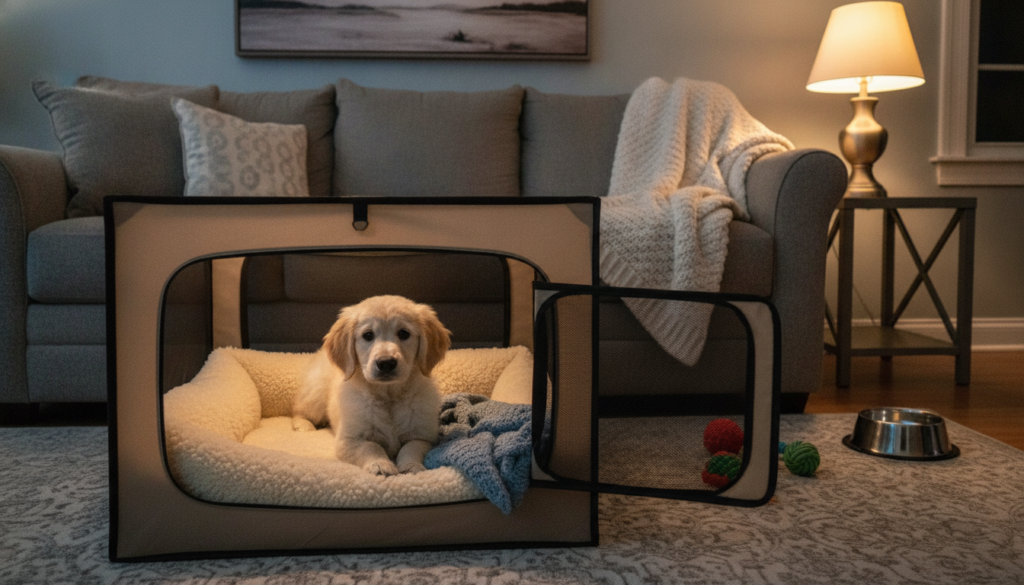
Step One: Guide Your Puppy into the Crate with a Reward
Lead your puppy to the crate with a tasty treat. Never force them inside. This helps them feel comfortable and builds trust.
Step Two: Give a Calm Cue and Close the Door
After your puppy is in, say a calm word like “crate” or “bed.” Close the door softly. This teaches them it’s time to rest, not play.
Step Three: Remain Close While Your Puppy Settles
Being near your puppy helps them feel secure at night. Sit or lie down close to the crate. This reduces their anxiety and makes them feel safe.
Step Four: Respond to Appropriate Quiet Behavior
If your puppy is quiet, praise them or give a small treat. This shows them being quiet is good. When they settle in, they learn the crate is a peaceful place for sleep.
Manage Whining, Barking, and Resistance at Night
Dealing with nighttime noise is a common challenge in crate training. It’s normal to worry when your puppy whines in their crate. But, figuring out why they’re making noise is crucial for a good routine.
Determine Whether Your Puppy Needs the Bathroom or Reassurance
First, listen to the sound your puppy is making. If it’s urgent and frantic, they might need to go outside. They might pace or scratch at the door.
If the noise is softer, like whimpering, they might just want comfort. A gentle word from you can often calm them down without needing to leave the crate.
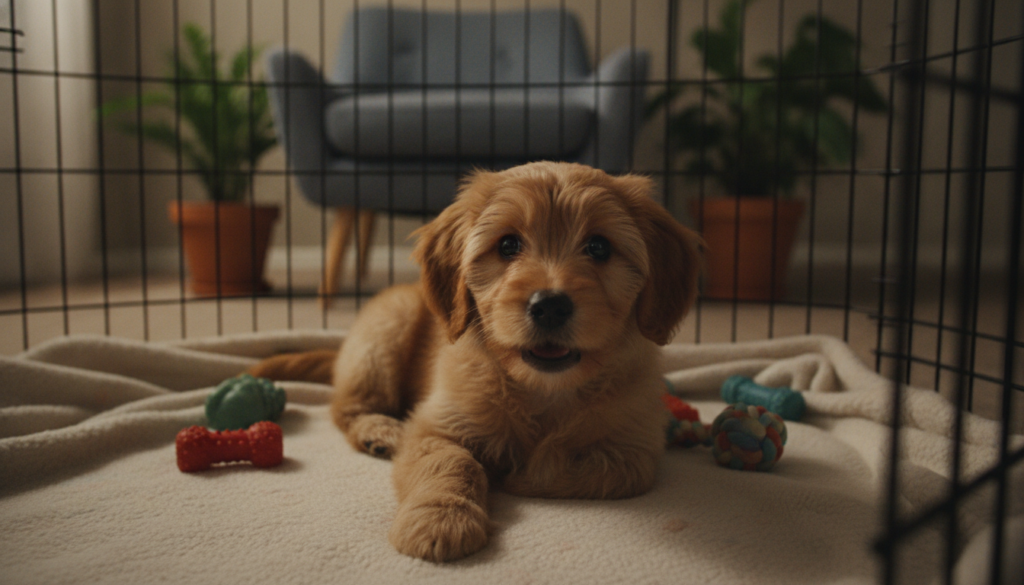
Wait for a Brief Pause Before Opening the Crate When Appropriate
Being patient is key when letting your puppy out. Rushing to the crate can make them think crying gets attention.
Wait a bit for silence before opening the crate. This teaches them that being quiet is what gets the door open.
Avoid Teaching Your Puppy That Crying Always Opens the Door
Being consistent is important to stop your puppy from thinking crying gets attention. If you always respond to barking, they’ll learn it’s a way to get what they want.
Keep these nighttime visits short and dull. Avoid playing or talking too much. This helps keep the middle of the night boring.
Respond Safely to Escalating Distress Instead of Using Punishment
Sometimes, a puppy gets really scared. If they show signs of extreme distress, like heavy panting or trying to escape, you need to act carefully.
Don’t yell or tap on the crate. This will only make them more scared. Instead, let them out calmly, create a soothing environment, and adjust your training to make them feel safe.
Extend Overnight Crate Time at a Safe, Gradual Pace
Getting your puppy to sleep through the night is a big step. It’s best done by taking small, steady steps. By gradually increasing crate time, you help your puppy feel more confident to sleep longer.
This method also reduces stress and helps establish good sleep habits.
Estimate How Often Your Puppy May Need Overnight Potty Breaks
Young puppies need to go out often because their bladders are small. Consider your puppy’s age, how much water they drink, and their activity level before bed. If they wake up a lot, they might just need a quick trip outside.
Lengthen Sleep Periods Only After Several Calm Nights
Don’t rush to increase crate time too fast. It’s better to wait until you’ve had several calm nights. This shows your puppy is ready for the next step.
Use Morning Release as a Reward for Quiet Behavior
When morning comes, opening the crate should be a reward for being quiet. Don’t rush to the crate at the first sound. Wait for a moment of silence before opening the door.
Track Potty Breaks, Accidents, Sleep, and Stress Signals
Keeping a simple log is a great way to track your progress. It helps you see when your puppy needs to go out or when they’re restless. By recording these things, you can make changes to keep your puppy safe and well-rested.
Prevent Accidents and Keep the Crate Comfortable
Creating the perfect environment inside your puppy’s crate is key. It helps prevent accidents and promotes restful sleep. When your puppy feels secure and comfortable, they are more likely to settle down for the night without fuss.
Use a Consistent Potty Schedule to Reduce Overnight Mistakes
To prevent puppy crate accidents, align your schedule with your puppy’s needs. Young puppies have limited bladder control. So, planning regular trips outside is crucial for their success.
Keep track of when your puppy eats and drinks. This helps predict when they will need to go out. A predictable routine teaches your puppy that the crate is for sleeping, not for relieving themselves.
Clean Accidents with an Enzymatic Cleaner
If an accident happens, act quickly to remove all traces of the mess. Household cleaners are not enough because they may leave behind pheromones. These attract your puppy back to the same spot.
Always use an enzymatic cleaner for puppy accidents. It breaks down the proteins in urine. This ensures the area is truly clean and discourages your puppy from repeating the mistake.
Choose Comfortable Bedding That Your Puppy Will Not Destroy
A comfortable puppy crate should be inviting but safe. Many puppies enjoy chewing on soft fabrics. This can lead to dangerous ingestion or shredded bedding.
Look for durable, chew-resistant mats or heavy-duty pads designed for young dogs. If your puppy is a persistent chewer, consider using a simple plastic tray or a specialized crate liner until they outgrow the destructive phase.
Control Temperature, Noise, Light, and Household Traffic
Environmental factors greatly affect your puppy’s sleep. Keep the room at a moderate temperature. Puppies can easily become too hot or too cold in their crates.
Minimize noise and light by placing the crate in a quiet corner away from high-traffic areas. A calm, dark, and peaceful environment helps your puppy stay asleep longer. It reduces the chance of them waking up due to external disturbances.
Use Positive Training to Reinforce Calm Nighttime Behavior
Bedtime can be a positive time with the right approach. Focus on calm reinforcement techniques. Reward your puppy for calm behavior in the crate, teaching it to rest there.
Mark Quiet Settling and Calm Waiting with Immediate Rewards
Timing is key for calm behavior. Reward your puppy the moment it stops moving or sits quietly in the crate.
This quick feedback helps your puppy know what action earned the treat. Waiting too long can lead to frustration or pacing, making training harder.
Pair a Consistent Crate Cue with Voluntary Entry
Choose a specific word or phrase for crate time. Use it every time to create a clear, positive meaning.
When your puppy enters the crate willingly, give a small reward. This strengthens the link between your cue and calm behavior.
Reward Relaxed Behaviors Instead of Excited Scratching or Jumping
It’s tempting to calm a puppy that’s scratching or jumping. But this can reinforce the wrong behavior. Wait for a pause before rewarding.
Ignoring excitement and rewarding calm teaches your puppy what’s valued. This helps them learn self-control at night.
Connect Nighttime Crating with Broader Puppy Obedience Training
Your nighttime routine should mirror your daily training. Daily obedience, like the sit command, helps manage impulses.
Effective sit training is crucial for obedience. It shapes behaviors that apply to the crate. This consistency helps your puppy understand your expectations at night.
Teach Your Puppy to Sit as Part of the Bedtime Routine
Teaching your puppy to sit calmly before bedtime helps them relax. This simple act makes the transition to their crate peaceful. It shows your puppy that calmness is key to a good night’s sleep.
How Do You Train Your Puppy to Sit Before Entering the Crate?
Start with consistency and patience. When it’s time for your puppy to go into the crate, ask them to sit first. If they’re too excited, wait a bit for them to calm down before giving the command.
Use a Treat Lure to Introduce the Puppy Training Sit Command
Use a small, tasty treat to help your puppy sit. Hold the treat near their nose and slowly move it up and back. This will naturally make them sit down. Say “sit” as soon as their bottom touches the floor and give them the treat.
Practice Teaching Your Puppy to Sit Before Meals and Potty Trips
Consistency is key in teaching your puppy to sit. Practice this command before meals and potty trips. These short sessions make sitting a natural part of their day, not a stressful task.
Apply Positive Reinforcement for Teaching Sit with Precise Timing
Timing is everything when rewarding your puppy for sitting. Give the treat the moment they sit to create a strong connection. Positive reinforcement keeps your puppy motivated and eager to listen, even when they’re tired.
Fix Common Crate Training Problems Without Losing Progress
Dealing with crate training setbacks is part of the journey. Stay patient and tweak your approach. Small changes can make a big difference in your puppy’s behavior.
Address Early-Morning Waking and Demand Barking
If your puppy wakes up early and barks, check their physical needs first. Make sure they had a good potty break before bed. If they’re healthy, think if you’re accidentally rewarding the barking.
Look at their daily routine. Are they getting enough play and mental stimulation? Sometimes, puppies wake up early because they’re bored or have too much energy. Try adjusting their evening meal or adding a quiet playtime before bed.
Help a Puppy Who Resists Entering the Crate
Don’t force your puppy into the crate. This can make them anxious and see the crate as a bad place. Go back to positive reinforcement to help them feel better.
Leave the crate door open and let your puppy explore at their own pace. Use treats and toys they love to encourage them to go inside. Keep these sessions short and positive to keep them feeling safe.
Respond to Chewing, Digging, and Repeated Pawing
Chewing or digging can mean your puppy is stressed or bored. Check the crate for comfort and safety. Give them a durable chew toy to channel their energy.
If these issues continue, slow down your training pace. Making small adjustments can help keep your progress and keep your puppy happy.
Conclusion
Getting peaceful nights is all about patience and planning. To crate train your puppy well, make sure they have good days and calm nights.
Good crate training at night means you listen to your puppy’s needs. Don’t punish them for accidents. Instead, keep a routine that makes them feel safe.
Improving your puppy’s sleep is a journey of small steps. Watch how they do and adjust your training to fit their personality. This builds trust and leads to better sleep for both of you.
Don’t be afraid to share your training story or seek help from local trainers. A solid routine is key to your puppy’s happiness in their new home.