
Best De-Shedding Dog Grooming Brush for Shedding Control
Find the best de-shedding dog grooming brush for your pet and learn how to reduce loose fur, prevent mats, and keep your dog’s coat healthy every day.
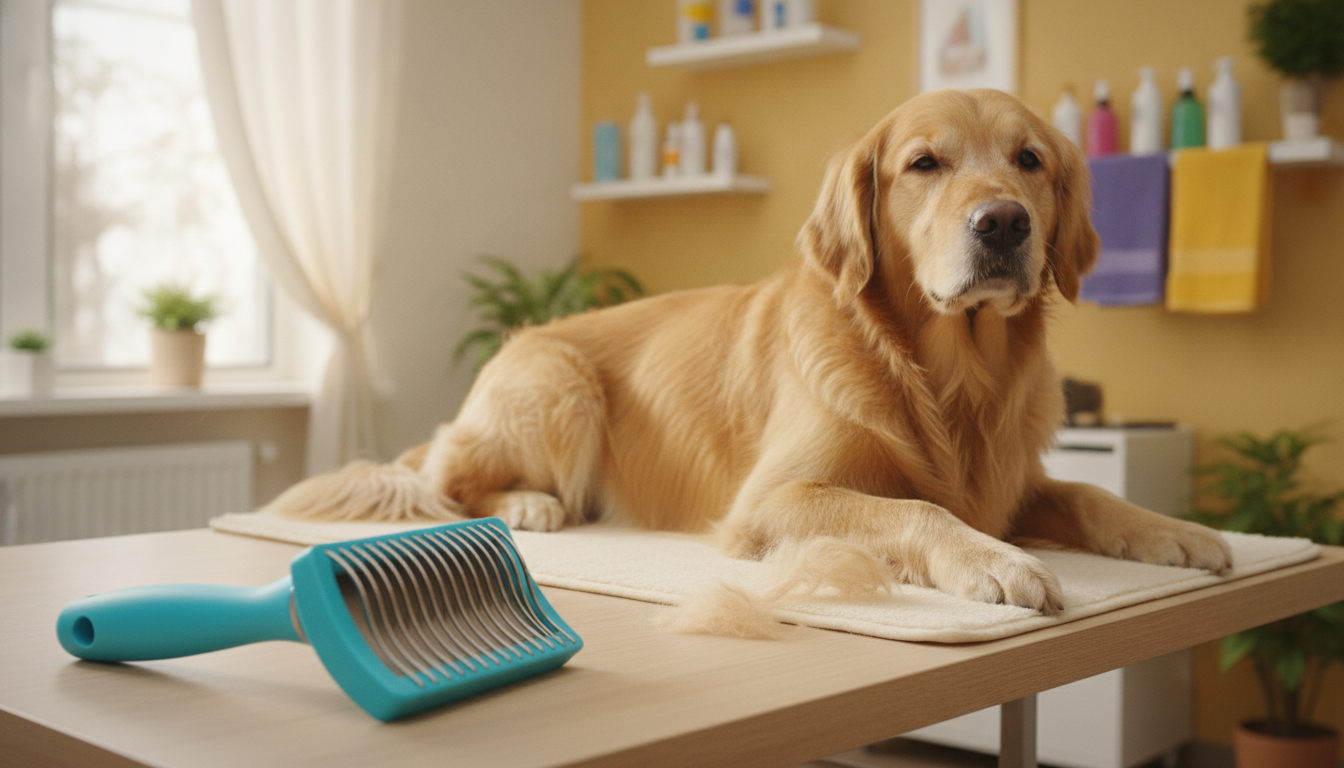
You love your furry friend, but finding fur on your favorite sofa can be overwhelming. Pet parents often struggle to keep their homes clean without giving up cuddles. The right de-shedding dog grooming brush can make grooming a special bonding time.
These tools reach deep into your pet’s undercoat to remove loose hair. This way, less fur ends up on your floors. Yet, remember, they can’t stop all shedding. Your pet’s hair loss is part of their growth.
Choosing the right tool involves several factors. Consider your pet’s coat type, the brush’s design, and how comfortable it is to use. Regular grooming and the right technique will keep your home clean and your pet happy.
How to Choose the Best De-Shedding Dog Grooming Brush
Finding the right de-shedding dog grooming brush is key. Each dog is different, with unique hair types and needs. The wrong brush can cause problems or make grooming uncomfortable for your dog.
Match the Tool to Your Dog’s Coat Type
Choose a dog shedding tool based on your dog’s coat. Short-haired dogs do well with rubber curry brushes or fine-toothed blades. These tools gently remove surface hair.
Double-coated dogs need special tools. These tools reach deep into the undercoat without harming the topcoat.
- Short coats: Use rubber curry brushes or soft bristle brushes.
- Long, silky coats: Use metal combs and slicker brushes to prevent tangles.
- Double coats: Use undercoat rakes or specialized de-shedding blades.
- Wire-haired coats: Use stripping knives or specialized grooming rakes.
Evaluate Blade Design, Handle Comfort, and Build Quality
When buying a de-shedding dog grooming brush, check the blade design. Good tools have rounded edges to avoid skin irritation. Also, look for ergonomic handles for a comfortable grip.
Durability is crucial. Stainless steel blades are best because they don’t rust and stay sharp. A durable tool feels solid in your hand and works well all year.
Separate Loose Undercoat Removal from Surface Brushing
It’s important to use the right tool for the job. De-shedding blades are for removing the undercoat. Slicker brushes are for daily grooming and removing surface hair.
Use both tools together for the best grooming. Start with the de-shedding blade to remove the undercoat. Then, use a slicker brush or metal comb to finish the coat and remove tangles.
What Effective Shedding Control Can and Cannot Do
It’s interesting to know what grooming tools can and can’t do for your home. Finding the best pet hair remover is a good start. But, it’s key to know what these tools can really do. They help manage loose fur, not change how your dog sheds.
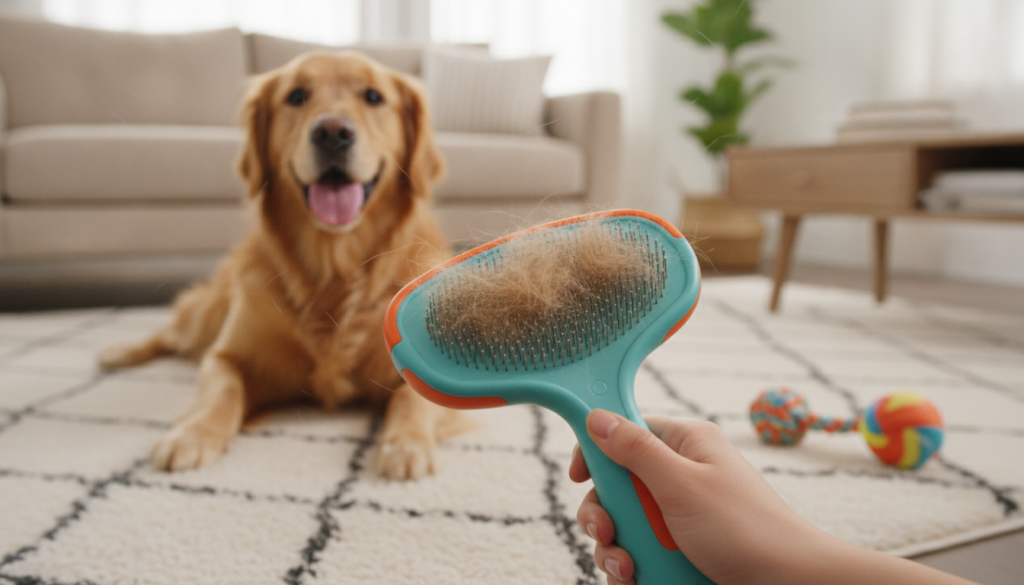
How De-Shedding Tools Reduce Loose Hair in Your Home
De-shedding tools get to the undercoat hair before it sheds. This way, they remove fur during grooming. This cuts down on hair on furniture, bedding, and floors. It keeps your home cleaner by preventing dog hair from spreading.
Why Regular Grooming Does Not Stop the Natural Shedding Cycle
Many think grooming can stop dogs from shedding. But, shedding is natural and keeps dogs healthy. It helps them stay cool and replace old hair. Brushing your pet often won’t stop their natural shedding cycle.
When Excessive Shedding May Require Veterinary Attention
Some hair loss is normal, but watch for signs of trouble. Look out for bald spots, red skin, and parasites. If your dog sheds a lot more than usual, see a vet. They can check for health problems.
Top-Rated De-Shedding Dog Grooming Brushes
Choosing the right de-shedding brush for your dog means knowing their coat needs and the tool’s design. High ratings are a good start, but your success also depends on your grooming skills and your dog’s fur condition. Remember, no brush fits every breed perfectly, so pick one that suits your dog’s hair type.
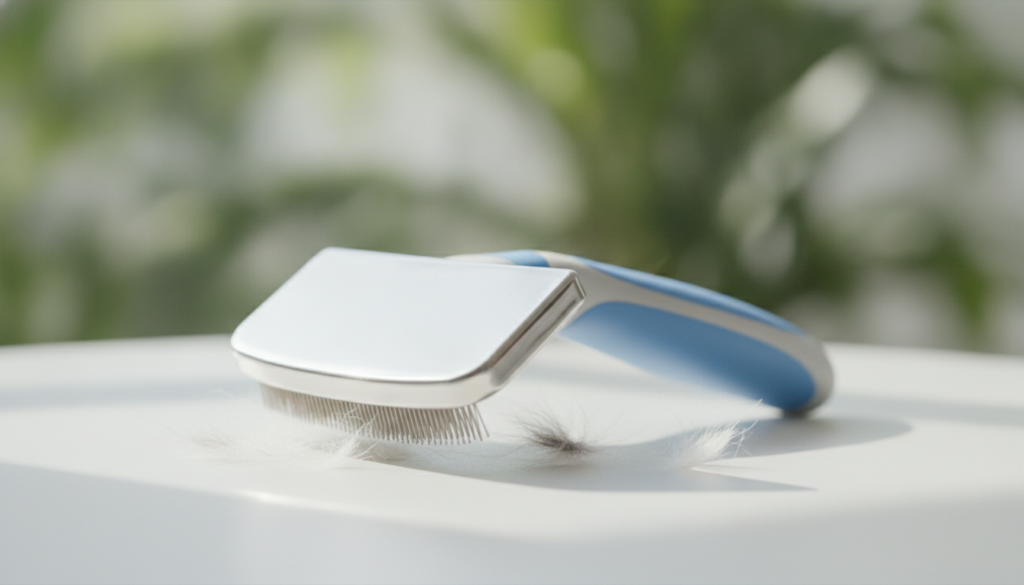
When looking for a de-shedding brush, check the blade edge and handle. A comfortable handle makes grooming longer and more effective. The right blade design helps remove loose undercoat without harming the topcoat. Here are four tools known for their benefits in home and professional grooming.
FURminator deShedding Tool for Dogs
The FURminator is known for its stainless steel edge that goes deep into the coat. It safely and efficiently removes loose hair. Many users like the ejector button, which makes cleaning up fur easy.
SleekEZ Original Deshedding Grooming Tool
This tool has a unique wave-pattern blade that works on many coat types without pulling or cutting. It’s great for removing fur and dander from dogs and horses. Its simple design lets you groom naturally, which many dogs find soothing.
Andis Deshedding Tool
The Andis model is a top choice for professional grooming. It has a soft-grip handle to reduce hand fatigue during long sessions. The blade is durable, making it perfect for managing heavy shedding.
DakPets Deshedding Tool
The DakPets tool is versatile and affordable. It has a detachable head for easy cleaning and storage. It can reduce shedding by up to 95 percent, keeping your home clean and your dog comfortable.
- Edge Design: Look for stainless steel edges that are rounded to prevent skin irritation.
- Grip Comfort: Choose ergonomic handles if you have a large dog that requires longer brushing sessions.
- Hair Collection: Consider tools with ejector buttons if you want to minimize the mess during grooming.
- Versatility: Some tools work better on short, smooth coats, while others are built for thick, double-coated breeds.
Best De-Shedding Dog Grooming Brush for Short-Haired Breeds
Short-haired dogs shed just as much as long-haired ones. Their fur might not show on clothes, but it hides in your home. The right tools can help control shedding in dogs, no matter their fur length.
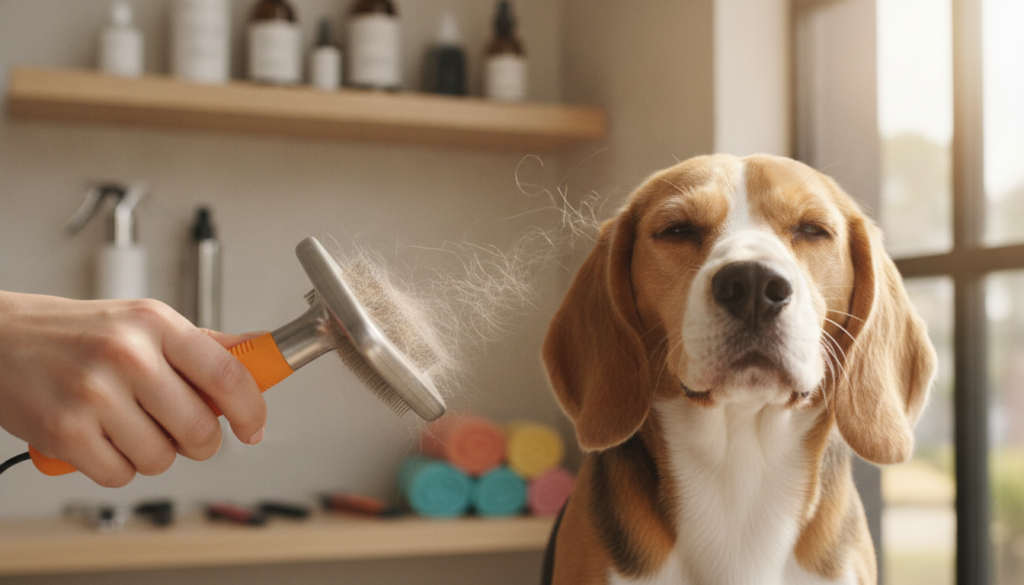
Why Short Coats Need Controlled Undercoat Removal
Short-haired dogs have a thick undercoat that holds onto loose hair. This hair sheds a lot during seasonal changes, making your pet uncomfortable. It’s important to remove this undercoat regularly to keep your dog’s coat healthy and your furniture fur-free.
Recommended Options for Labrador Retrievers, Beagles, and Boxers
Dogs like Labradors, Beagles, and Boxers need special grooming tools for their short hair. Rubber curry brushes or fine-toothed de-shedding blades are best. These tools catch loose hair without pulling on the topcoat, making grooming comfortable for your dog.
How to Avoid Scraping or Irritating Short-Coat Skin
Short-coated dogs have less skin protection. Use very light pressure to avoid hurting them. Brush gently, only a few times in each area, to prevent skin damage.
Choose tools with rounded or polished teeth to avoid skin irritation. If you see redness or discomfort, stop and use a softer brush. Gentle care is key to reducing shedding in dogs with short coats.
Best Dog Shedding Tool for Double-Coated Breeds
Double-coated breeds face special grooming challenges. They have a tough outer coat and a soft undercoat for warmth. It’s crucial to find the right tool to keep them comfortable and healthy.
Handling Dense Undercoats on German Shepherds and Siberian Huskies
German Shepherds and Siberian Huskies have thick fur. Their undercoats grow fast and need regular grooming to avoid matting and skin issues. Trapped hair can cause skin problems if not removed.
Regular grooming keeps your dog’s fur in check and your home clean. Focus on the undercoat to keep your dog cool in summer. Always brush in the direction of hair growth for your dog’s comfort.
Choosing Between an Undercoat Rake and a De-Shedding Blade
Choosing between an undercoat rake and a de-shedding blade depends on your dog’s fur. An undercoat rake has long teeth to remove loose hair without harming the topcoat. It’s safer for very thick fur.
A de-shedding blade thins the coat and removes loose hair. But, it can damage the topcoat if used too hard. For most double-coated dogs, an undercoat rake is better for control and a natural look.
Adjusting Grooming Frequency During Seasonal Coat Blows
Double-coated dogs shed a lot twice a year with the seasons. You’ll need to use a dog shedding tool more during these times.
Brush your dog daily during these periods to control shedding. But, don’t brush too hard to avoid skin irritation or thinning the coat. Finding the right balance is important for your dog’s coat health all year.
Best Options for Long, Thick, or Tangle-Prone Coats
If your dog has a long or dense coat, you need more than just a basic brush. These breeds need special care to keep their fur healthy and knot-free. Getting the right pet grooming supplies is key to a stress-free grooming session.
Removing Loose Undercoat Without Pulling Healthy Topcoat
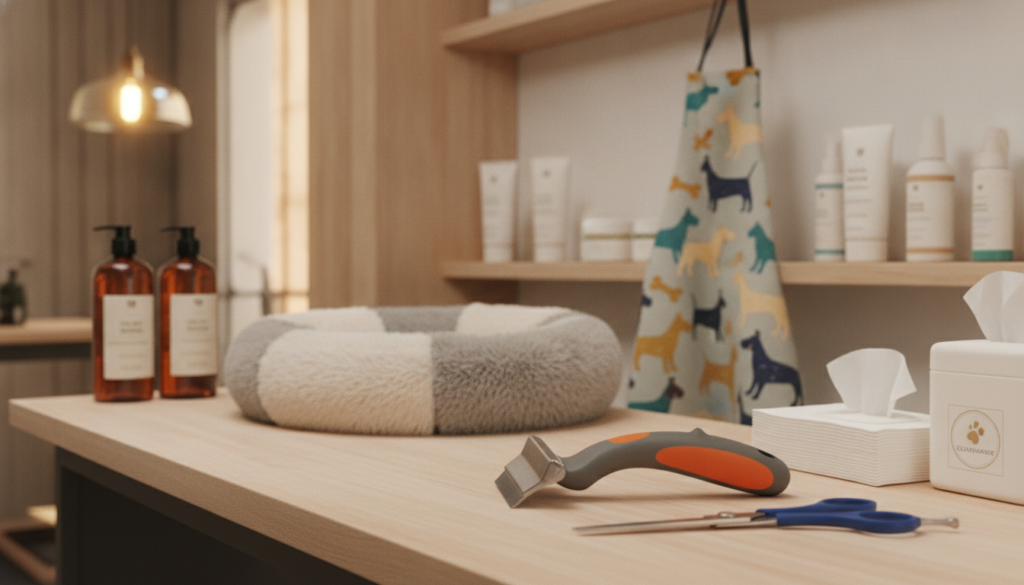
When grooming long-haired dogs, aim to remove the dead undercoat without harming the outer layer. Pulling too hard can damage the topcoat, making it dull or frizzy. Use a tool that reaches the fur base without getting caught in the guard hairs.
Use gentle, short strokes for best results. Work in small sections to collect only the loose hair ready to shed. This keeps your pet comfortable and manages fur volume at home.
Detangling Before De-Shedding a Golden Retriever or Rough Collie
Breeds like Golden Retrievers and Rough Collies have thick, flowing coats that tangle easily. You must untangle these knots before de-shedding. Trying to de-shed a matted coat can hurt your dog.
Begin with a metal comb or detangling rake to untangle the coat. Once it’s smooth, use your de-shedding tool to remove the undercoat. This two-step method is used by professionals with premium pet grooming supplies.
Why a Slicker Brush May Need to Complement Your Main Tool
A slicker brush is crucial for grooming long-haired breeds. It smooths the topcoat and removes small tangles, while a de-shedding tool targets the undercoat. Using both tools together offers a complete grooming solution.
Keep these essential items in your grooming kit:
- A high-quality slicker brush for daily smoothing.
- A sturdy metal comb for checking for hidden mats.
- A specialized de-shedding tool for seasonal coat maintenance.
- A detangling spray to make grooming easier on your dog.
Rotating these pet grooming supplies keeps your dog’s skin and coat healthy. This routine prevents hair buildup and keeps your long-haired pet looking great all year.
Best Professional Pet Grooming Brush for Frequent Use
Professional groomers need special tools to care for many dogs daily. Regular grooming can quickly wear out standard brushes. A professional pet grooming brush is essential for managing thick coats well.
Features That Matter for Dog Groomer Essentials
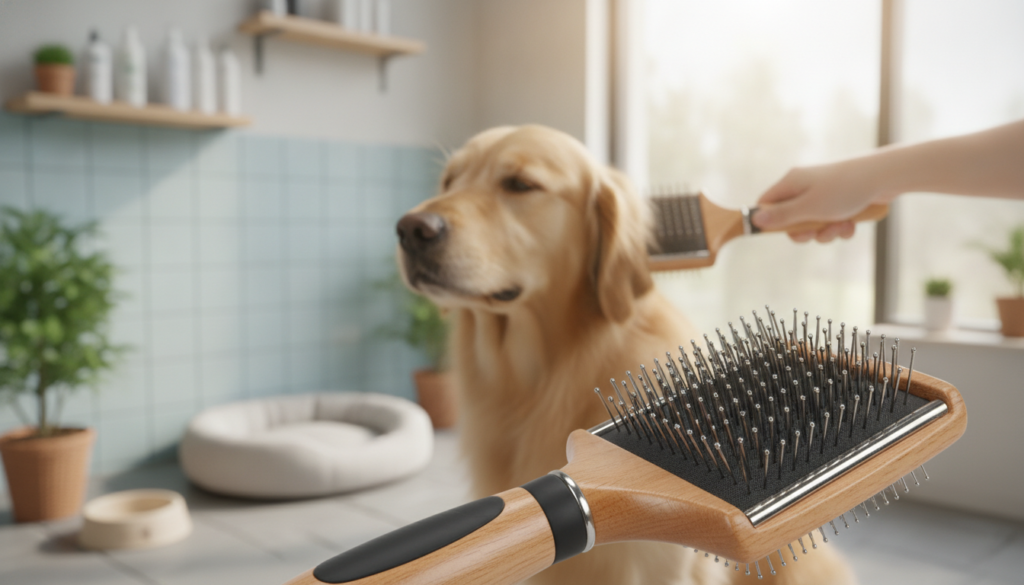
High-quality tools are crucial for any pet owner. They are made to last, even with heavy use. A strong build keeps the handle and teeth in good shape.
Efficiency is key when choosing grooming supplies. Look for tools that release hair quickly. This saves time and makes grooming easier.
Comparing Durability, Cleaning Speed, and Handle Ergonomics
Tools that are not designed right can cause hand fatigue. Professional brushes have ergonomic grips to reduce strain. This is important for grooming dense undercoats.
Durability is also important. Cheap brushes need to be replaced often. Investing in durable tools saves money and hassle.
When Professional-Grade Construction Justifies a Higher Price
Is the cost of professional gear worth it? For owners of multiple dogs or breeds with heavy shedding, yes. Reliable tools last longer and work better.
High-end brushes have better warranties and materials. They resist rust and wear well. Choosing professional-grade tools means less need for replacements. This provides better value and ensures your pet gets the best care.
How to Use a De-Shedding Tool Safely
When using a de-shedding dog grooming brush, safety comes first. These tools are great for removing loose undercoat but can be uncomfortable if not used right. By following a few steps, grooming can be a positive experience for both you and your pet.
Prepare Your Dog’s Coat Before Brushing
Before you start, check your dog’s coat to make sure it’s ready. Brushing a coat that’s not ready can pull or irritate the skin. Always do a quick check for any issues that might affect grooming.
Here’s what to do to get your dog ready:
- Look for mats or tangles that need to be removed first.
- Make sure the coat is dry, as wet hair can get damaged.
- Check for open wounds, scabs, or rashes on the skin.
- Watch for fleas or ticks that need attention.
Brush in Short, Gentle Passes in the Direction of Hair Growth
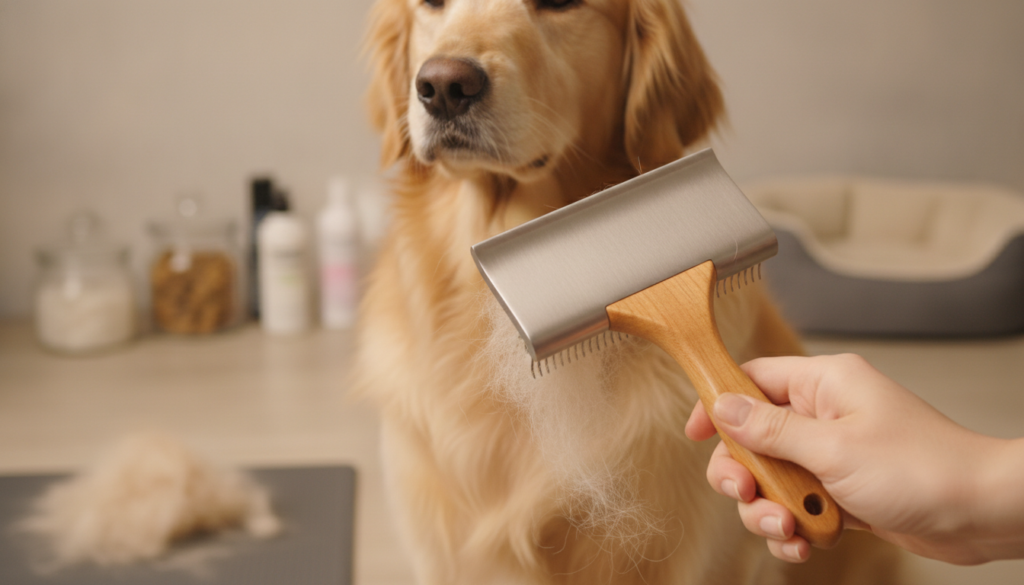
Effective grooming means using light, controlled strokes, not force. Always brush in the direction of hair growth to avoid breaking the coat. Don’t brush the same spot too much to avoid irritation.
Keep your strokes steady and rhythmic to keep your dog calm. If you feel resistance, stop and check for a knot. Never force the tool through a tangle, as it will hurt your dog and may make them avoid grooming.
Protect Sensitive Areas Around the Face, Legs, Belly, and Tail
Some parts of your dog’s body are more sensitive than others. Be extra careful when grooming the face, legs, belly, and tail. These areas can get irritated if you press too hard or use a tool that’s too big.
Use a smaller tool or a softer brush for these areas. If your dog seems uncomfortable, like pulling away or whining, move to a less sensitive area. Being patient is key to keeping your dog’s trust when grooming these areas.
Stop Grooming When You Notice Redness, Pain, or Skin Damage
It’s important to watch your dog’s skin during grooming. If you see redness, inflammation, or signs of pain, stop right away. These signs mean you might be using too much pressure or the tool too often.
If you find a wound or raw skin, don’t brush that spot anymore. Let the skin heal before trying to groom it again. Always put your dog’s comfort first, even if it means not getting as much hair in one session.
How to Reduce Shedding in Dogs With a Consistent Routine
Creating a steady routine is key to managing your dog’s shedding. Tailor a plan to your pet’s breed, age, and lifestyle. This helps keep your home fur-free.
Set a Grooming Schedule Based on Coat Type and Season
Different dogs need different grooming schedules. Short-haired dogs might groom weekly, while double-coated ones groom daily in shedding seasons. Adjust your grooming schedule to match these needs.
Combine Brushing With Bathing and Thorough Drying
Bathing removes dead hair that brushing can’t catch. Use good shampoo and dry your dog completely. A damp coat can cause skin problems, so make sure they’re dry before they rest.
Support Healthy Skin With Proper Nutrition and Hydration
Good nutrition is crucial for preventing shedding. Feed your dog omega-3 fatty acids for a healthy coat. Always give them fresh water to avoid dry skin and hair loss.
Clean Bedding, Furniture, and Floors After Each Heavy Shed
Some hair will always find its way into your home. Use tools like rubber brushes or special vacuums to clean upholstery and carpets. Regular cleaning keeps hair from piling up and becoming hard to remove.
Common De-Shedding Mistakes That Increase Discomfort
Even the best dog groomer essentials can cause harm if used wrong. Many owners focus on the tool, not how to use it. This can lead to skin irritation or stress for the pet. Knowing how to avoid these mistakes is key to safe and effective grooming.
Using a De-Shedding Blade Too Often
It’s tempting to use a de-shedding blade every day. But, using it too much can harm your dog’s coat. Stick to using it once a week or less, depending on the season.
Brushing a Matted Coat Without Removing Knots First
Never force a de-shedding tool through a matted coat. If you find a knot, stop and use a detangling spray or wide-tooth comb to gently work it out. Forcing the blade through a mat can hurt your dog and cause skin abrasions.
Pressing Too Hard to Collect More Hair
Some people think collecting a lot of hair means they’re doing a good job. But, pressing too hard is unnecessary and can be dangerous. Use light, consistent strokes that glide over the coat without digging into the skin.
Using the Same Tool for Every Coat and Body Area
Your dog’s body has different hair densities. One tool doesn’t fit all. Using a large, aggressive blade on sensitive areas can be uncomfortable. Always use softer brushes for delicate spots to ensure a comfortable grooming experience.
Always watch for signs of stress, like pulling away or whining. If you see redness or skin damage, stop right away. Grooming should be a bonding experience, not a source of pain.
How to Compare Price, Maintenance, and Long-Term Value
Finding the right dog shedding tool means looking beyond the price. It’s about understanding the long-term value. While high-end tools promise better results, your needs decide if you need a premium or a basic model.
When an Affordable Dog Shedding Tool Is Enough
If your dog has a single coat or sheds lightly, a basic brush might be enough. These tools are simple and remove loose hair well. They don’t have complex parts.
Choose an affordable option if you groom your dog rarely. These tools are light and easy to store. They’re perfect for quick touch-ups between professional sessions.
Assessing Replaceable Parts, Cleaning Features, and Warranty Coverage
High-end de-shedding brushes are durable and easy to maintain. They often come with features that extend their life and make grooming easier.
- Replaceable blades that stay sharp for years.
- One-touch cleaning buttons to get rid of fur quickly.
- Ergonomic handles to reduce hand fatigue during long grooming sessions.
- Extended warranties that protect your investment.
- Sturdy materials like stainless steel or reinforced polymers.
Looking for these features helps avoid buying cheap tools that break easily. A well-made tool can save you money by lasting through many seasons of heavy shedding.
Calculating Value by Grooming Frequency and Hair Reduction
Value is about saving time and managing hair effectively. For double-coated breeds that need frequent grooming, a more expensive tool is better.
When deciding on a tool, consider these points:
- The time saved during each grooming session.
- The decrease in vacuuming and cleaning around your home.
- Your dog’s comfort during brushing.
- The tool’s ability to adjust as your dog’s coat changes.
- The health of your pet’s skin and coat over time.
By focusing on these aspects, you can see the value in a top-rated de-shedding brush. Investing in quality makes grooming efficient, safe, and sustainable for years.
Conclusion
Choosing the right de-shedding dog grooming brush is key. It depends on your pet’s coat type and thickness. By picking the right tool, you can make your dog more comfortable and keep your home tidy.
Regular, gentle brushing is crucial. It’s best when combined with good nutrition, regular baths, and thorough drying. These steps help reduce shedding and keep your dog’s coat shiny and healthy.
Always check your dog’s skin during grooming. Look for signs of irritation or discomfort. If you see sudden hair loss or painful skin, see your vet.
Sticking to a grooming routine strengthens your bond with your pet. Using a quality de-shedding brush correctly keeps your dog happy and healthy all year. Begin your journey to a cleaner home by focusing on your dog’s grooming needs.