
10 Amazing Facts About Puppies Every Owner Should Know.
Discover 10 amazing facts about puppies, from early development to training, and learn practical puppy care tips to help your new companion thrive.
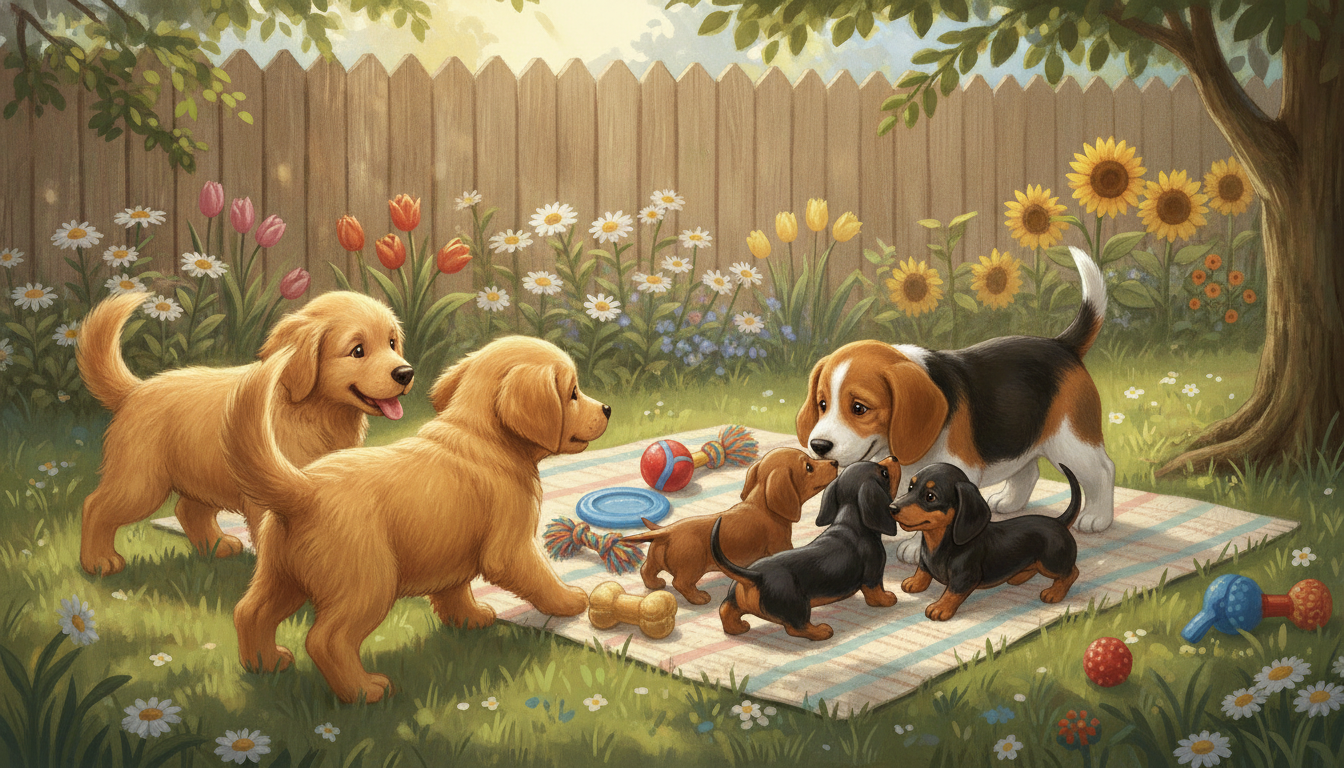
Bringing a puppy home can brighten your days while making them busier and more surprising. Small paws and curious eyes show that your young dog is learning to feel safe, communicate, and explore.
These facts about puppies offer practical guidance on early development, sleep, teething, body language, socialization, and training. They also explain how nutrition, exercise, and veterinary care support your puppy’s health and emotional security.
These interesting puppy facts can help you make better choices at home. With the right knowledge, you can build a steady routine, encourage learning, and help your puppy adjust with confidence.
Essential facts about puppies and early development
Newborn puppies have developing senses and limited control of their bodies. During their first weeks, hearing, vision, balance, and muscle strength improve quickly. These changes provide useful puppies information and help set safe daily care expectations.
How puppies develop their senses and coordination
Puppies are born with closed eyes and sealed ear canals. Their hearing and vision mature step by step, so bright lights and loud sounds may overwhelm them. Gentle exposure to normal household sounds can support calm learning.
Early movement may look clumsy. Crawling, walking, playing, and exploring safely build balance and coordination. Give your puppy secure space, firm flooring, and protection from falls.
Short play sessions suit puppies for beginners because they support learning without causing fatigue.
Why puppy sleep is essential for healthy growth
A young puppy may sleep 18 to 20 hours each day. Rest supports brain development, memory, immune function, and physical growth. Your puppy may nap after eating, playing, or learning a new skill.
Provide a quiet bed away from heavy foot traffic. Let your puppy sleep without frequent interruptions. A steady routine can reduce fussiness and reveal changes in energy or behavior.
What puppy teething means for your home
Baby teeth emerge during the first weeks and later give way to adult teeth. Your puppy may chew furniture, shoes, rugs, or hands to ease gum pressure. This behavior is common, but your home needs protection.
- Offer durable chew toys made for puppies.
- Supervise chewing and remove damaged toys.
- Protect cords, furniture, and small objects.
- Redirect chewing with a calm voice instead of punishment.
Persistent mouth pain, broken teeth, trouble eating, or unusual lethargy requires veterinary care. Careful observation provides useful puppies information and helps puppies for beginners respond early to health concerns.
Puppies information for understanding behavior and communication
Your puppy communicates before learning words or commands. Posture, facial movement, and sounds can show comfort, curiosity, stress, or fear. These facts about puppies can help you respond with patience and care.
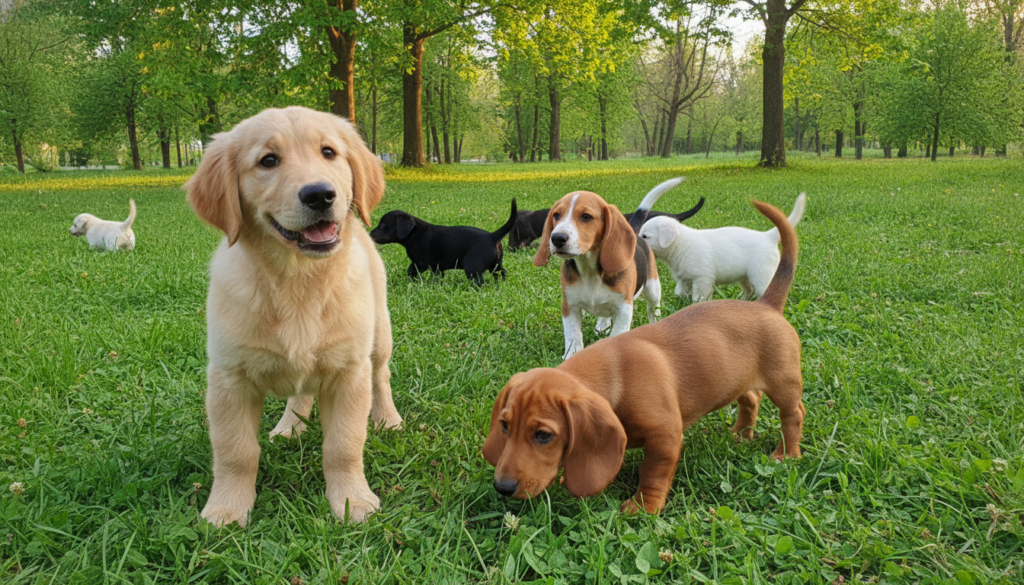
How puppies use body language to communicate
A loose body, relaxed mouth, and soft eyes often show your puppy feels safe. A play bow lowers the front legs and raises the rear, inviting play. A wagging tail can signal excitement, but it does not always mean friendliness.
A tucked tail, lip licking, yawning, or sudden freezing may show worry. Raised hackles can appear during fear, excitement, or alertness. Consider the setting, your puppy’s whole body, and recent events.
Good puppy training advice starts with space and calm choices. If your puppy freezes or turns away, pause the activity. Let your puppy move closer without pressure.
Why socialization shapes your puppy’s confidence
Early socialization teaches your puppy that new experiences can feel safe. Offer brief, gentle exposure to adults, children, friendly vaccinated dogs, household sounds, new surfaces, and careful handling.
Short car rides become easier when you begin with a parked vehicle. Let your puppy explore calmly, then offer praise or a small treat. Gradual steps work better than crowded places or loud events that cause distress.
- Choose clean, controlled spaces for new experiences.
- Watch for relaxed movement and easy recovery.
- End each session before your puppy feels overwhelmed.
- Repeat pleasant experiences over several days.
This approach supports trust during early development. It lets your puppy learn without forced contact or interaction.
How to recognize normal puppy behavior
Puppies often bite during play, chew household items, jump on people, bark briefly, and lose focus quickly. Accidents can happen as bladder control develops. Consistent routines, safe chew toys, and clear limits can guide these behaviors.
Some changes need prompt attention. Contact your veterinarian or a qualified behavior professional about sudden aggression, persistent fear, extreme withdrawal, compulsive actions, or major appetite or energy changes.
Keep a simple record of triggers, timing, and behavior. This puppy training advice can help you describe patterns clearly and choose a safer response.
Cute puppy facts that reveal their unique abilities
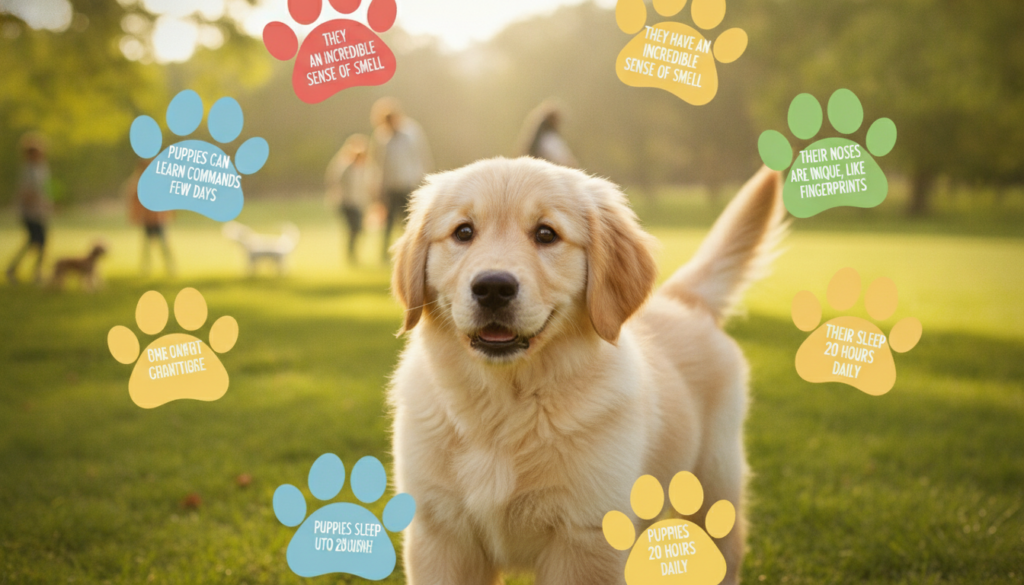
One of the most useful cute puppy facts involves a young dog’s powerful nose. Your puppy uses scent to study people, pets, toys, and new rooms. A short sniffing game provides mental exercise and helps your puppy feel more secure.
Puppies can learn simple associations at a very young age. The sound of a food bowl may signal mealtime, while a leash may predict a walk. Guide this learning with calm routines, gentle praise, and safe rewards.
Littermates teach important social skills through supervised play. When one puppy bites too hard, its sibling may yelp or stop playing.
These exchanges help puppies learn bite control and respect for personal space. Adult guidance keeps play safe and gives every puppy time to rest.
Breed traits can shape a puppy’s favorite activities. A retriever mix may carry socks or toys, while a herding breed may follow moving feet.
Terriers may enjoy digging, and scent hounds may spend long periods tracking a smell. These tendencies help make fun facts about puppies so engaging.
Your puppy’s hearing, movement, and curiosity can turn daily tasks into learning moments. The sound of a vacuum, an opening cabinet, or footsteps near the door may spark interest. Let your puppy explore at a comfortable pace, while blocking unsafe objects, cords, and small items.
Appreciate these natural abilities without letting them control your home. Offer chew toys, scent games, and supervised carrying activities. Clear limits help your puppy use its energy safely and protect your belongings.
Puppy care tips, training advice, and beginner guidance
Young dogs learn best when life feels calm and predictable. These puppy care tips help build trust, support good habits, and make daily care easier. If you are raising puppies for beginners, focus on safety, patience, and simple steps.
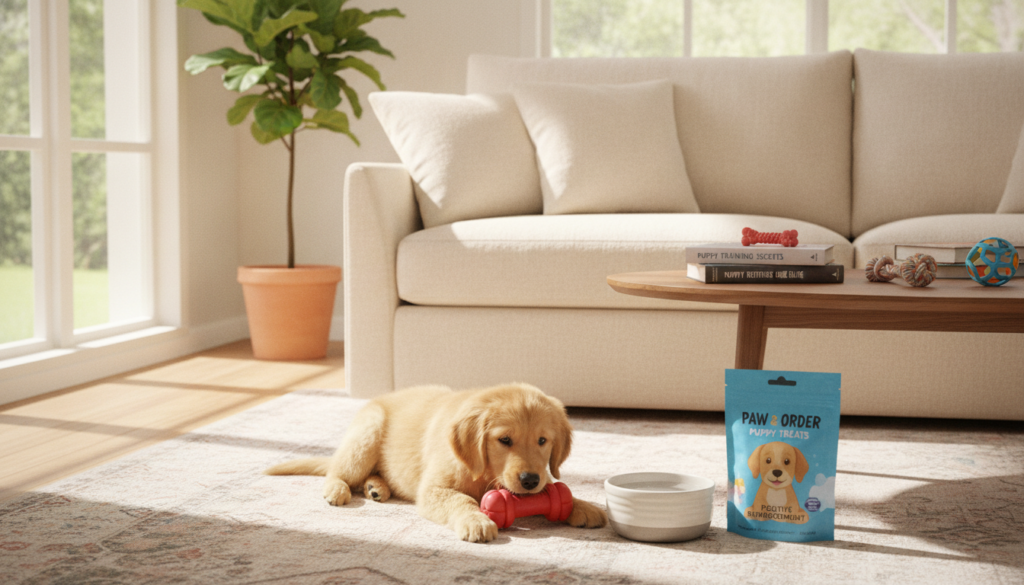
How to create a safe routine for your puppy
Set regular times for meals, naps, potty breaks, play, quiet time, and bedtime. A steady schedule helps your puppy feel secure and supports house training. Take your puppy outside after waking, eating, drinking, and active play.
Puppy-proof each room before your dog explores it. Remove toxic foods, medicines, small objects, electrical cords, and unsafe plants. Use baby gates, a crate, or an exercise pen to limit access while your puppy learns the rules.
Positive reinforcement for early puppy training
Reward the behavior you want as soon as it happens. Small treats, praise, or a favorite toy can mark a good choice. Use clear cues, short sessions, and calm repetition to help your puppy stay focused.
Keep training sessions brief and stop while your puppy remains interested. Never use physical punishment or intimidation. Fear can damage trust and create new behavior problems.
For puppies for beginners, gentle guidance builds stronger habits than harsh correction.
Nutrition, exercise, and veterinary care basics
Give your puppy fresh water and a complete diet recommended by your veterinarian. Food needs vary by age, size, breed, and health. Follow feeding instructions and ask before changing the diet.
Choose exercise that fits your puppy’s age and body. Gentle walks, safe play, sniffing games, and food puzzles provide movement and mental enrichment. Avoid forced running, long hikes, and repeated jumping while bones and joints develop.
Schedule wellness visits for vaccinations, parasite prevention, and growth checks. Ask about microchipping, dental care, and spay or neuter timing. Your veterinarian can tailor these puppy care tips to your dog’s health, breed, and lifestyle.
Conclusion
The most interesting puppy facts link development to daily care. Sleep, balanced nutrition, safe exploration, socialization, and clear communication support healthy growth. Together, these needs help your puppy learn, rest, and build confidence.
Use a steady routine, and watch for changes in appetite, energy, behavior, or health. Good puppy training advice means patient teaching, close supervision, and rewards for calm choices. These steps teach your puppy what you expect without fear.
When care, behavior, or medical concerns seem unclear, seek guidance from your veterinarian. Consistent puppy training advice and gentle support can shape a well-adjusted companion. They also strengthen the lasting bond you share.