
Do Puppies Lose Teeth Tips for Care and What to Expect.
Do puppies lose teeth? Learn the puppy teething timeline, signs to watch for, and simple ways to protect your puppy’s dental health and comfort daily.
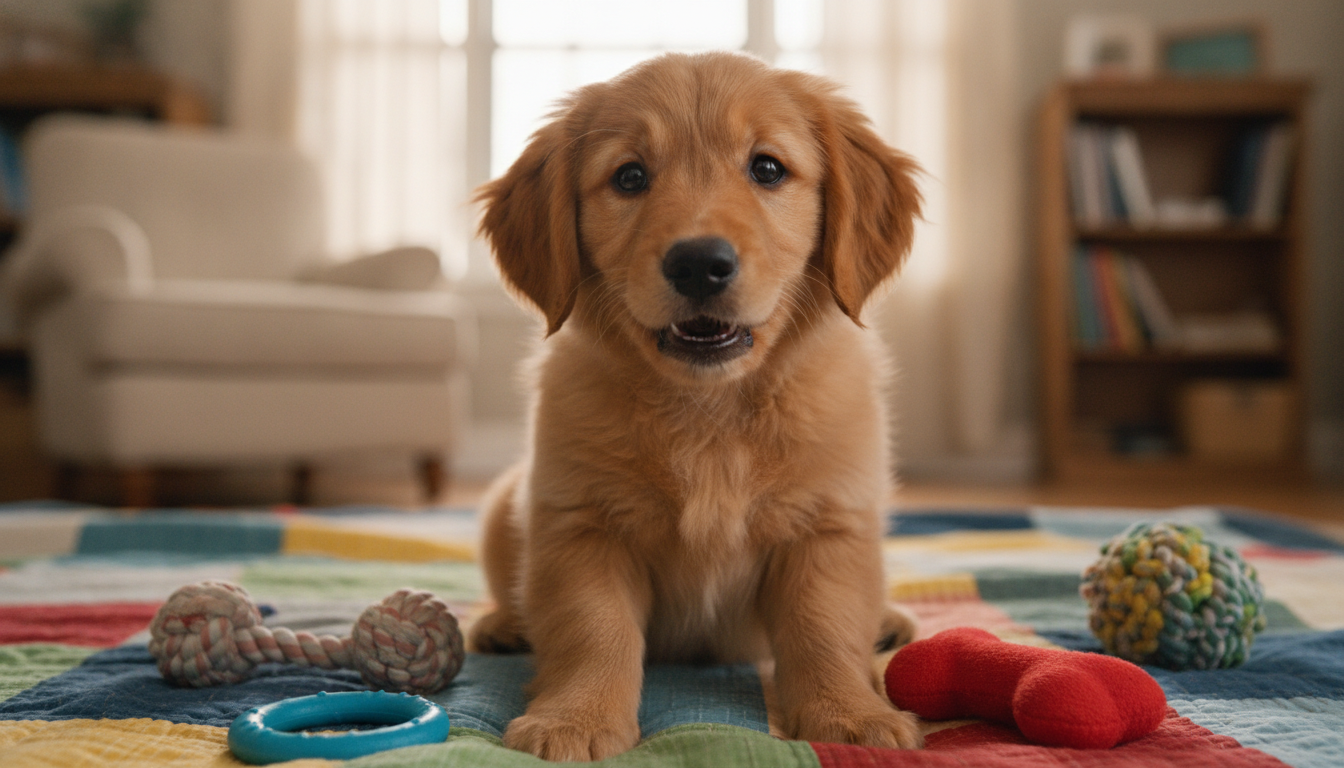
Those tiny puppy teeth can make playtime a gentle test of patience. If your puppy chews more than usual, you may ask, do puppies lose teeth? Yes, losing teeth is normal as puppies grow.
The puppy teething process usually begins when your dog is about 3 to 4 months old. Sharp baby teeth loosen as permanent adult teeth develop. Most puppies finish teething by 6 to 7 months.
Chewing, mild gum sensitivity, drooling, and small spots of blood can occur. Use safe chew toys to ease discomfort, protect household items, and watch for signs needing veterinary care.
With steady care, you help your puppy stay comfortable now and build healthy dental habits for life.
do puppies lose teeth? Understanding Puppy Teething
The puppy teething process starts early and changes as your dog grows. Your puppy first develops small baby teeth, called deciduous teeth, before adult teeth appear.
When Puppies Get Their Baby Teeth
Most puppies begin getting baby teeth at about 3 to 5 weeks of age. A complete set usually includes 28 teeth. These small teeth help puppies eat, chew, and explore the world.
Why Puppies Lose Their Baby Teeth
Many owners ask, when do puppies lose baby teeth? Baby teeth often loosen between 12 and 16 weeks, as permanent teeth push through the gums. This change makes room for about 42 adult teeth.
You may find a tiny shed tooth near your puppy’s bed or food bowl. Many puppies swallow loose teeth safely, so you may not see any. Mild gum tenderness can occur during this normal puppy teething process.
Puppy Teething Timeline: What to Expect by Age
Teeth develop in stages. This puppy teething timeline helps you track normal changes and prepare for more chewing.
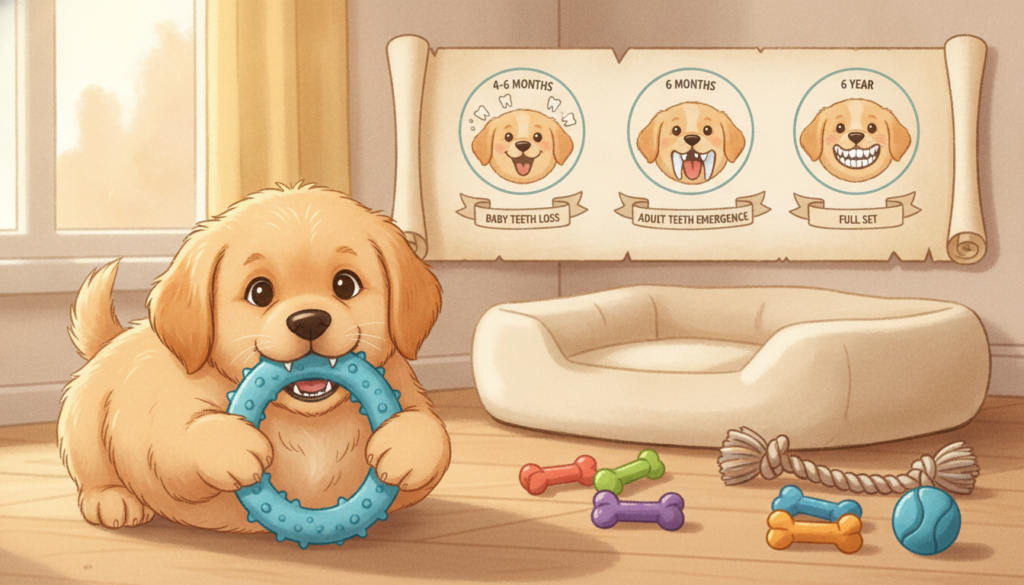
3 to 5 weeks: Baby teeth often appear during this period. Your puppy may have small, sharp teeth along the front and sides of the mouth.
8 to 12 weeks: Most puppies have a full set of baby teeth. Chewing may increase as tender gums and growing jaws create discomfort.
12 to 16 weeks: The shift to adult teeth often starts. Baby teeth loosen as permanent teeth push through the gums.
3 to 6 months: When do puppies lose baby teeth? Most puppies lose them during this period. You may find a tooth on the floor, though many puppies swallow loose teeth without harm.
6 to 7 months: Many puppies have nearly all their permanent teeth. Some dogs need more time because of breed, growth rate, and tooth position.
Breed and individual development can change the pace. Incisors may fall out before canine teeth, while back teeth may follow at a different rate.
Schedule routine veterinary examinations during this stage. Your veterinarian can check delayed eruption, unusual alignment, or baby teeth that remain after an adult tooth appears.
Signs of Puppy Teething You Should Watch For
Teething can change your puppy’s mood and eating habits for a short time. Knowing the signs of puppy teething helps you spot normal changes and problems that need care.
Common and Normal Teething Symptoms
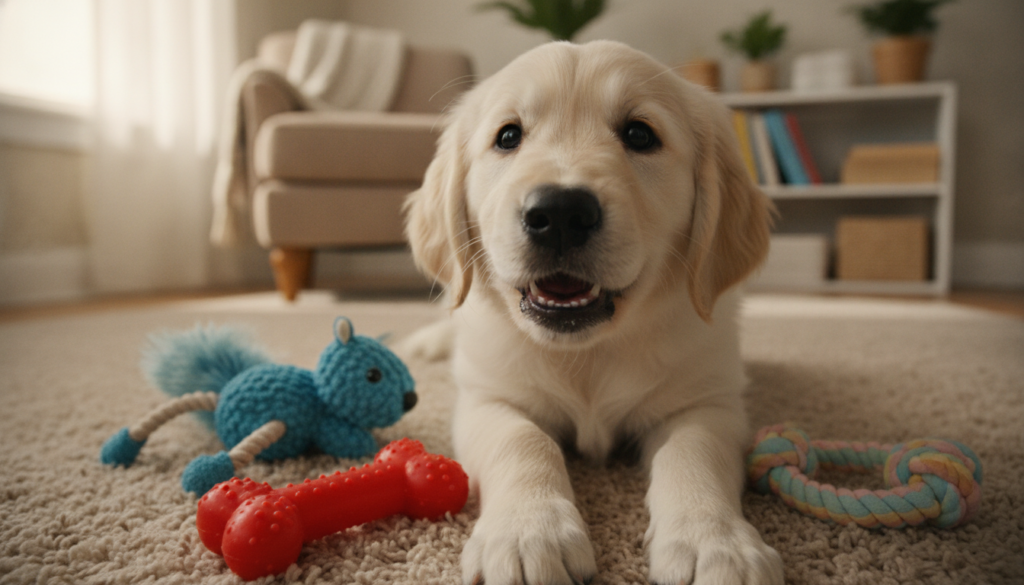
Your puppy may chew more often because loose baby teeth can make the gums sore. Drooling, tender gums, and mild redness are common. Your puppy may pause while eating hard food, but soft meals may still appeal.
- Increased chewing on toys or safe household items
- Extra drool around the mouth
- Mild gum redness or tenderness
- Small spots of blood on a chew toy
- Brief reluctance to eat dry food
These signs should stay mild and improve as each tooth comes out. A tiny blood spot on a toy can be normal, too. Your puppy should still drink, respond to you, and show interest in play, while good care supports lasting puppy dental health.
Signs Your Puppy May Need Veterinary Care
Contact your veterinarian if symptoms seem strong, last too long, or affect daily habits. Heavy bleeding, facial swelling, pus, severe pain, or foul breath can signal infection or another dental concern.
- Refusal to eat or drink
- Repeated vomiting
- Marked tiredness or unusual weakness
- Difficulty opening the mouth
- Persistent bleeding or clear mouth pain
Check your puppy’s mouth when it is calm. An adult tooth may appear beside a baby tooth. This can mean the baby tooth is retained.
Ask your veterinarian to examine it, since trapped teeth can crowd the mouth and affect puppy dental health. Regular checks make it easier to notice changes in the signs of puppy teething.
Caring for a Teething Puppy and Protecting Your Home
Caring for a teething puppy means easing sore gums and guiding chewing toward safe choices. Keep your routine calm and consistent. Watch your puppy during play, rest, and training.

How to Relieve Teething Discomfort
Ask your veterinarian which puppy teething remedies suit your dog’s age, size, and health. A chilled, flexible rubber toy may soothe sore gums. Your veterinarian may approve a damp washcloth for supervised chewing.
- Choose toys that bend slightly and match your puppy’s size.
- Remove any toy that splits, sheds pieces, or becomes too small.
- Skip frozen items, which may damage developing teeth.
- Never give human pain medicine unless your veterinarian directs you to do so.
- Check labels for unsafe ingredients before using a chew or treat.
How to Manage Chewing Behavior
Puppies explore with their mouths, so prepare your home before teething starts. Hide electrical cords, shoes, children’s toys, medications, and toxic plants. Use baby gates or a safe crate when you cannot watch your puppy.
When your puppy grabs an unsafe item, stay calm. Trade it for an approved toy and praise the good choice. Avoid shouting or chasing because these actions can turn chewing into a game.
Daily walks, short training sessions, scent games, and age-appropriate play can reduce boredom. Give your puppy breaks for sleep because overtired dogs may chew more. These steps make caring for a teething puppy safer for your pet and home.
Choosing Safe Puppy Teething Toys
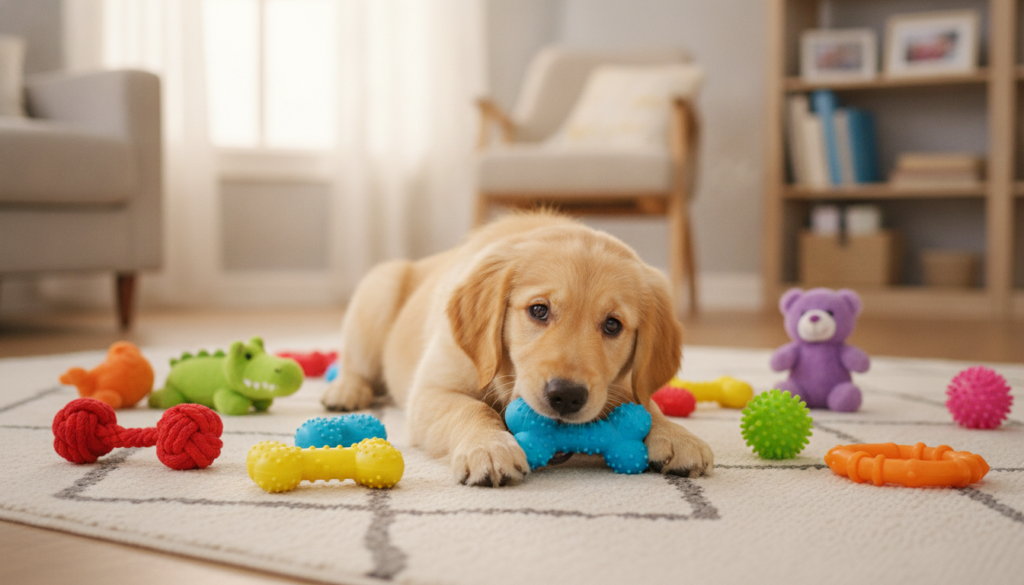
Choose puppy teething toys that fit your puppy’s size and age. Select a toy large enough to prevent swallowing but easy to hold. Choose products labeled for puppies, not adult dogs.
Choose materials that are strong but flexible. Soft rubber may soothe sore gums and reduce stress on developing teeth. Many puppy teething remedies work best with supervised chewing and calm play.
- Inspect each toy before and after use.
- Replace toys with cracks, sharp edges, loose parts, or missing pieces.
- Avoid cooked bones, antlers, hard nylon toys, and ice cubes.
- Remove any toy small enough to fit fully inside your puppy’s mouth.
Cooked bones may splinter, while antlers and hard nylon toys can fracture teeth. Small toys may cause choking or intestinal blockage. These dangers make safer puppy teething remedies better for daily chewing.
Stay nearby while your puppy chews. Separate your puppy from other pets if food or toys cause guarding. Follow the maker’s instructions for cleaning, toy size, and safe use. Replace a toy as soon as wear makes it unsafe.
Supporting Puppy Dental Health After Baby Teeth Fall Out
When adult teeth appear, steady care protects puppy dental health. Wait until your puppy stays calm during mouth handling before brushing.
Starting a Puppy Dental Care Routine
Touch your puppy’s lips and gums for a few seconds. Praise your puppy after each gentle session. This builds a regular puppy dental care routine.
Next, introduce a soft pet toothbrush and toothpaste made for dogs. Never use human toothpaste.
Xylitol and other ingredients can harm dogs. Brush reachable outer and inner surfaces with light, slow strokes.
Keep each session short at first. Praise your puppy during and after brushing. Daily care is ideal, but several calm sessions each week can build a lasting habit.
Checking for Healthy Adult Teeth
Look at your puppy’s mouth each week. Adult teeth should grow in a straight, useful position. Gums should not stay red, swollen, or painful.
Check for a baby tooth beside a permanent tooth. Retained teeth can crowd the mouth and trap food. Ask your veterinarian to examine crowding, an abnormal bite, discoloration, pain, or teeth that have not fallen out.
Conclusion
Do puppies lose teeth? Yes. Most puppies lose baby teeth as adult teeth grow in between 3 and 6 months of age. This normal growth stage still needs your attention.
Use the puppy teething timeline to track changes in your puppy’s mouth. Provide safe chew toys, redirect chewing, and protect furniture, wires, and other household items. These steps can ease discomfort and encourage good behavior.
Start gentle tooth care when your puppy can handle it. Daily brushing and regular checks protect adult teeth and build calm, healthy habits.
Contact your veterinarian if your puppy has severe symptoms, lasting pain, misplaced teeth, or remaining baby teeth. Careful checks and kind daily support can help create a healthy mouth for life.