
Chinese Dog Breeds Every US Dog Lover Should Know.
Discover chinese dog breeds, from loyal companions to ancient guardians, and learn how to choose the right Chinese dog for your family and lifestyle.

Some dogs win your heart with a gentle gaze, while others impress you with strength and pride. As you learn about chinese dog breeds, you may find a companion that suits your home, routine, and future hopes.
This guide covers small companions, including the Shih Tzu and Chinese Crested. It also covers powerful working dogs, including the Chow Chow and Chinese Shar-Pei. You will compare the most popular chinese dog breeds by temperament, grooming, exercise, health, lifespan, and family fit before choosing a dog in the United States.
Why chinese dog breeds Continue to Interest US Dog Lovers
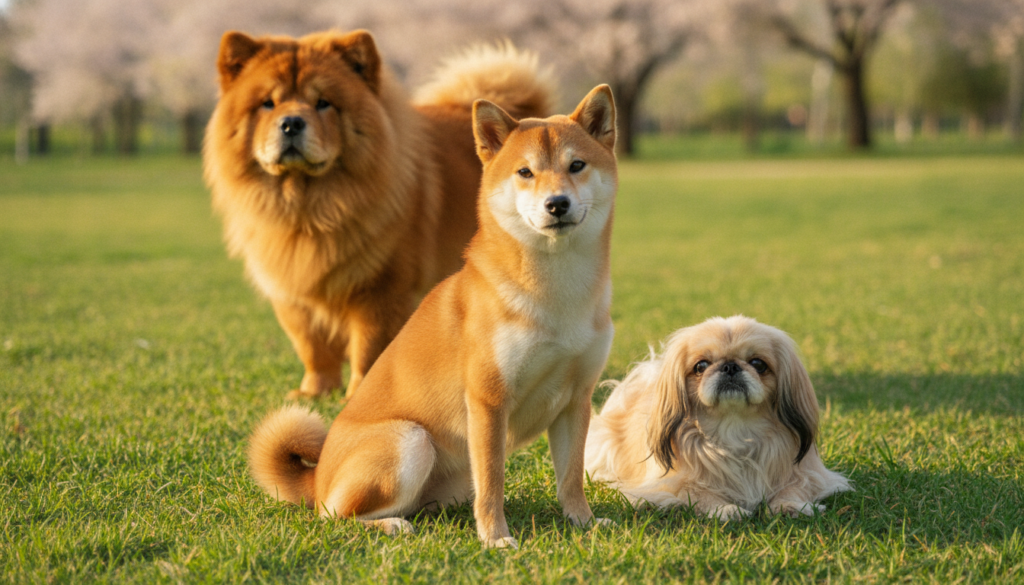
Many US dog lovers admire chinese dog breeds for their striking looks. A Shih Tzu has a flowing coat, while a Chinese Shar-Pei has loose skin and deep wrinkles. The Chinese Crested looks very different, with hairless and coated varieties.
These dogs have long cultural histories. Some served as palace companions, hunters, or property guardians. Many bond closely with families and respond well to steady care, clear rules, and daily attention.
The best chinese dog breeds for your home depend on more than appearance or popularity. Before choosing a dog, consider these needs:
- Your housing space and local climate
- Your experience with training and dog care
- Children, cats, and other pets in your home
- Coat care, shedding, and grooming time
- Access to a trusted veterinarian
Chinese breeds range from small lap dogs to strong working breeds. Their needs may differ in exercise, socialization, grooming, and health care. A careful match helps you find a companion that fits your daily life.
Ancient Chinese Dog Breeds With Remarkable Histories
Many ancient chinese dog breeds served more than one purpose. In China, dogs lived in palaces, family homes, monasteries, hunting camps, and rural villages. Their roles changed with each region, social class, and local need.
Breed histories can be hard to trace. Early records often described regional types instead of modern breeds. Today’s breed standards may differ from dogs that lived centuries ago.

Chinese Imperial and Companion Dogs
The Pekingese had a close link to China’s imperial court. Its small size suited palace life, while its bold nature created a proud presence. Palace families valued this companion near private rooms and court spaces.
The Shih Tzu lived in royal households and became known for its gentle, social nature. Its long hair and compact body suited indoor life. In the United States, it remains one of the best-known Chinese imperial dogs.
The Pug has a long history linked to Chinese households and court circles. Its short muzzle, curled tail, and lively character made it a favored companion. Small dogs could travel easily and stay near families throughout the day.
Monasteries gave some small companion dogs a calm setting. Their presence offered comfort and companionship instead of help with heavy work. These dogs lived among people, and steady handling shaped their friendly behavior.
Working and Guardian Dogs From China
The Chow Chow developed a broad working reputation. In northern China, dogs of this type helped with hunting, hauling, guarding, and farm tasks. Their thick coats handled cold weather, while their reserved nature suited watch duties.
The Chinese Shar-Pei came from southern China, where local dogs supported farm life. They guarded property, helped with hunting, and lived near livestock. Loose skin and a strong build helped them in demanding rural settings.
Chinese guardian dogs were not one uniform group. Local communities chose dogs for alertness, courage, strength, or endurance. These choices created varied regional types that may differ from today’s show-ring descriptions.
When studying chinese dog breeds, look beyond appearance. History, geography, and human partnerships explain their distinct temperaments and body shapes.
Popular Chinese Dog Breeds You Should Know
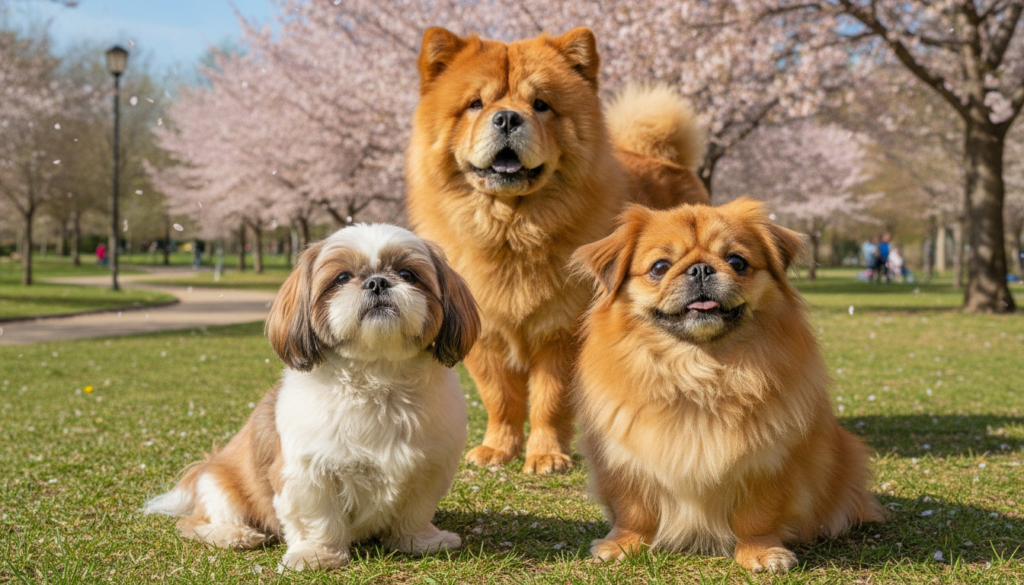
Several popular chinese dog breeds have loyal fans across the United States. The Shih Tzu, Chow Chow, and Chinese Shar-Pei differ in size, energy, coat care, and social style. Knowing these differences can help you choose a breed that fits your home and daily routine.
Shih Tzu
The Shih Tzu is a small companion dog with a friendly, social nature. Many enjoy apartment living, short walks, and time with their families. This breed may suit a home seeking an affectionate dog with modest exercise needs.
Its long, flowing coat needs frequent brushing to prevent mats. Regular professional grooming may help if you prefer a shorter trim. Daily eye, ear, and dental care can support comfort and good hygiene.
Chow Chow
The Chow Chow is a medium to large dog with a sturdy build and calm presence. It is often independent and reserved with strangers. Early socialization can help your dog respond with confidence in busy homes and public places.
This breed has a thick double coat that sheds heavily during seasonal changes. Regular brushing helps control loose hair and keeps the coat clean. Chow Chows usually need moderate exercise, such as steady walks and supervised outdoor time.
Chinese Shar-Pei
The Chinese Shar-Pei is a medium-sized breed known for loyalty, a strong-willed nature, and a distinct wrinkled coat. It may bond closely with your family while staying cautious around unfamiliar people. Clear rules and reward-based training can support polite behavior.
Exercise needs are usually moderate, though each dog has a different activity level. Short walks, play, and training games provide useful mental and physical work. Skin folds and ears need regular checks because trapped moisture may cause irritation.
Before choosing among these chinese dog breeds, meet adult dogs in person. Ask reputable breeders, shelters, or rescue organizations about temperament, daily care, and breed-specific health screening. A careful discussion can help you prepare for your dog’s needs before adoption or purchase.
Characteristics of Chinese Dog Breeds
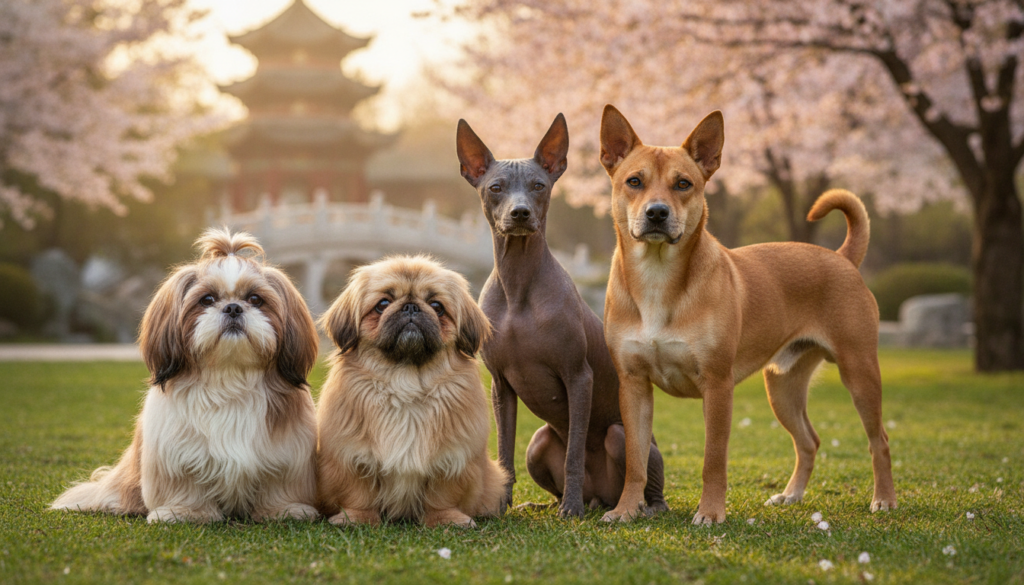
Characteristics of chinese dog breeds vary with breed, age, health, and past experience. A Shih Tzu may seek close contact, while a Chow Chow may prefer personal space. Judge each dog as an individual, not by breed labels alone.
Temperament and Trainability
Chinese dog temperament often includes alertness, sensitivity, and independent thinking. Some dogs watch strangers carefully and need time to trust new people. Others bond closely with family but dislike rough handling or constant demands.
Use short lessons, clear cues, and rewards such as treats or praise. Harsh corrections can cause fear and damage trust. A calm routine shows your dog what you expect; reward good choices when they happen.
Size, Coat Types, and Grooming
Chinese breeds have many coat types. Shih Tzus have long, flowing coats needing regular brushing and careful trimming, while Chow Chows have dense double coats. The Chinese Shar-Pei has short fur, loose wrinkled skin, and needs regular checks.
The Chinese Crested may have little body hair, so its skin needs protection from sun, cold, and dryness. Chinese dog grooming should match the coat and skin type. Brush long or dense coats often, clean skin folds gently, and keep ears and nails healthy.
- Long coats need daily brushing to prevent mats.
- Double coats need careful shedding control, not close shaving.
- Wrinkled skin needs drying after baths and outdoor activity.
- Hairless dogs may need pet-safe sunscreen and warm clothing.
Some Chinese dog breeds with long lifespan still need regular veterinary care, dental cleaning, and weight control. Coat care can help you spot lumps, rashes, or parasites early.
Exercise and Socialization Needs
Most Chinese dogs need daily walks, play, and mental stimulation. Food puzzles, scent games, and brief training sessions can engage an independent dog. Leash practice should start early with steady, reward-based guidance.
Puppy socialization should include gentle exposure to visitors, sounds, surfaces, and friendly dogs. Heavy coats and shortened muzzles can increase heat risk. Walk during cooler hours, provide water, and watch for heavy panting or weakness.
Best Chinese Dog Breeds for Families and First-Time Owners
Choosing among the best chinese dog breeds starts with your household routine. Consider your children’s ages, daily activity, training time, and ability to supervise. A good match depends on the individual dog, not just the breed label.
Family-Friendly Companion Breeds
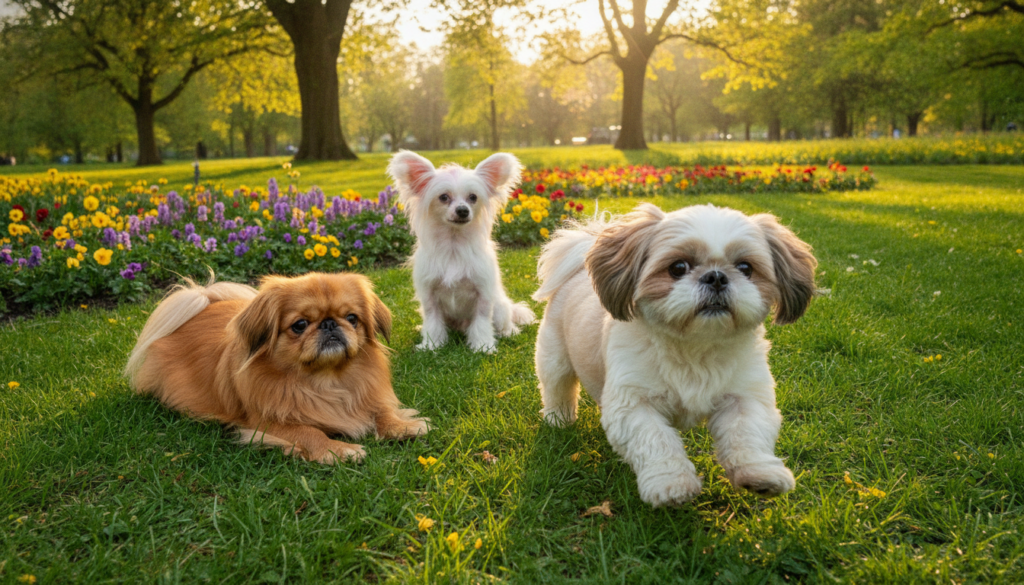
Well-socialized Shih Tzus can suit families seeking small Chinese companion dogs. They often enjoy close contact and moderate play. Their size may suit an apartment, but young children still need guidance when handling them.
Consider your home before choosing among chinese dog breeds for families:
- Young children need calm, closely supervised contact.
- Active families should plan walks, play, and training each day.
- Busy homes should offer a quiet bed or crate where the dog can rest.
- Older children can help with simple training under adult direction.
No breed is automatically safe with children. Teach kids not to pull ears, take toys, hug tightly, or disturb a sleeping dog. Adults should watch every interaction and stop play when it becomes rough.
Chinese Breeds for First-Time Dog Owners
A Shih Tzu may be a practical starting point for first-time owners seeking a small companion. Commit to coat care, gentle training, and regular social contact. Meet several dogs before choosing; temperament, age, and past care matter.
Chow Chows and Chinese Shar-Pei dogs can be loyal, devoted pets. They may need experienced handling, clear boundaries, and careful introductions to visitors, children, and other animals. Use calm rewards and steady rules during early training.
Give any dog a private retreat. Your routine should include safe introductions, daily exercise, veterinary care, and time to rest. These steps help you choose Chinese companion dogs that fit your family’s pace and supervision needs.
Rare Chinese Dog Breeds Worth Discovering
Some rare chinese dog breeds draw attention because few people in the United States know them well. Before choosing one, study its history, temperament, exercise needs, and care costs. Also check local laws and housing rules.
Rarity does not ensure a good match. A careful breeder or rescue should explain health testing, early socialization, and travel needs. Beware sellers who use scarcity to demand high prices or avoid basic questions.
Chongqing Dog
The Chongqing Dog has a muscular build, short coat, and confident nature. This alert breed may form a strong bond with your household. Its guardian instincts make early training and steady socialization important.
Give a Chongqing Dog clear rules and daily activity. It may not suit a first-time owner seeking a highly social dog. Confirm its history and ethical availability before arranging import or purchase.
Kunming Dog
The Kunming Dog is a working breed linked with utility, athleticism, and alertness. It needs regular exercise, skill-based training, and a role that keeps its mind active. Long walks alone may not meet its needs.
Ask about the dog’s lineage, behavior around people, and living requirements. United States laws may affect ownership, transport, or import. A qualified veterinarian can help plan care before the dog arrives.
Chinese Crested
The Chinese Crested is a small companion breed with hairless and powderpuff varieties. The hairless type needs protection from sun, cold, and skin irritation. The powderpuff has a soft coat that needs regular brushing.
Despite its delicate look, the Chinese Crested can be playful and lively. Gentle training, safe play, and close human contact support its well-being. Among chinese dog breeds, it may suit apartment living, but assess grooming, health, and social needs.
Chinese Dog Breeds With Long Lifespans and Common Health Needs
Many chinese dog breeds with long lifespan can enjoy active lives with support from puppyhood. Genetics, preventive care, nutrition, body condition, and home surroundings all affect longevity. A healthy weight and regular veterinary care can help you spot problems early.
Expected Lifespans Across Chinese Dog Breeds
Small breeds often live longer than larger dogs. Shih Tzus and Chinese Cresteds may live 12 to 16 years, and some reach their late teens. Genes and daily care can make an individual dog’s life shorter or longer.
Chow Chows and Chinese Shar-Peis often live about 8 to 12 years. Larger working breeds, such as the Kunming Dog, may have a similar or shorter lifespan. These estimates are not guarantees; family history, activity, diet, and body condition also matter.
Health Concerns to Discuss With Your Veterinarian
Ask your veterinarian about risks linked to your dog’s breed, age, and family history. Breed-specific health testing can support responsible breeding and guide a useful care plan.
- Shih Tzus may need checks for patellar luxation, dental disease, eye disorders, and breathing concerns.
- Chinese Cresteds may face dental disease, eye disorders, skin irritation, and sun sensitivity.
- Chinese Shar-Peis may need monitoring for skin and ear problems, thyroid disease, eye disorders, and joint concerns.
- Chow Chows and larger dogs may benefit from hip and elbow health checks, thyroid screening, and weight control.
Routine examinations should cover vaccine updates, parasite prevention, dental care, and weight reviews. Your veterinarian may suggest blood work or other tests as your dog ages.
Contact your veterinary team quickly if breathing, mobility, appetite, thirst, energy, or skin changes. Early attention can support comfort and daily function in many chinese dog breeds.
How to Choose and Adopt a Chinese Dog in the United States
Start by matching the breed to your daily life. Review energy level, adult size, coat care, trainability, and comfort with children or other pets. A small home may suit some large breeds, but housing rules and exercise time must meet their needs.
Compare several chinese dog breeds for families before choosing. Shih Tzus may suit people who want a social companion and can manage regular grooming. Chow Chows and Chinese Shar-Peis may need careful socialization, clear training, and an owner who understands their independent nature.
- List your work hours, travel plans, activity level, and daily care routine.
- Check local rules, landlord policies, insurance limits, and breed restrictions.
- Estimate food, grooming, training, supplies, routine care, and emergency costs.
- Speak with a veterinarian about common health risks and preventive care.
For Chinese dog adoption, visit municipal shelters and breed-specific rescues in your area. Ask about temperament tests, behavior around children, leash skills, and reactions to dogs or cats. Meet the dog more than once when possible, including a calm visit outside the kennel.
Ask for the dog’s medical history, vaccination record, microchip details, and medication list. Learn about past injuries, dental care, skin problems, and behavior concerns. Observe how the dog responds to handling, noise, strangers, food, and gentle restraint.
If you prefer a puppy, contact established American Kennel Club parent clubs and seek referrals to responsible dog breeders. Visit the facility in person. The mother should appear healthy, living areas should be clean, and the breeder should welcome questions about care and temperament.
Review health testing, registration papers, veterinary records, and the sales contract. A reliable breeder explains hereditary risks, provides a clear return policy, and remains available after placement. Be cautious if a seller will not show records, refuses a visit, or pressures you to pay quickly.
- Ask which health tests were completed for the parents.
- Read the contract before sending money.
- Confirm that the breeder will take the dog back if you cannot keep it.
- Request references from previous puppy buyers when available.
Before bringing your dog home, prepare a quiet space, food, a crate or bed, grooming tools, and a training plan. Give the dog time to adjust. Keep early routines simple, limit visitors, and use calm guidance as trust grows.
The best chinese dog breeds for your home will fit your schedule, budget, experience, and living space. A patient search helps you choose a healthy companion from a source that puts the dog’s welfare first.
Conclusion
Chinese dog breeds offer many personalities and needs. Some make affectionate household companions, while others serve as independent guardians or demanding working dogs. Popular chinese dog breeds, including the Shih Tzu and Chow Chow, suit very different homes.
Your best match depends on more than appearance. Consider temperament, training experience, grooming time, exercise plans, health needs, and household compatibility. Ancient chinese dog breeds and rare chinese dog breeds may need extra research before you decide.
Before bringing a dog home, speak with a qualified veterinarian and learn about breed-specific care. You can also explore adoption groups or work with an ethical breeder who follows responsible health and welfare practices. With careful planning, you can choose a Chinese dog that suits your life in the United States.