
How to Train a Dog to Stay: Easy Steps for Beginners
Learn how to train a dog to stay with easy beginner steps, clear commands, and practical tips that build focus, patience, and reliable obedience at home.
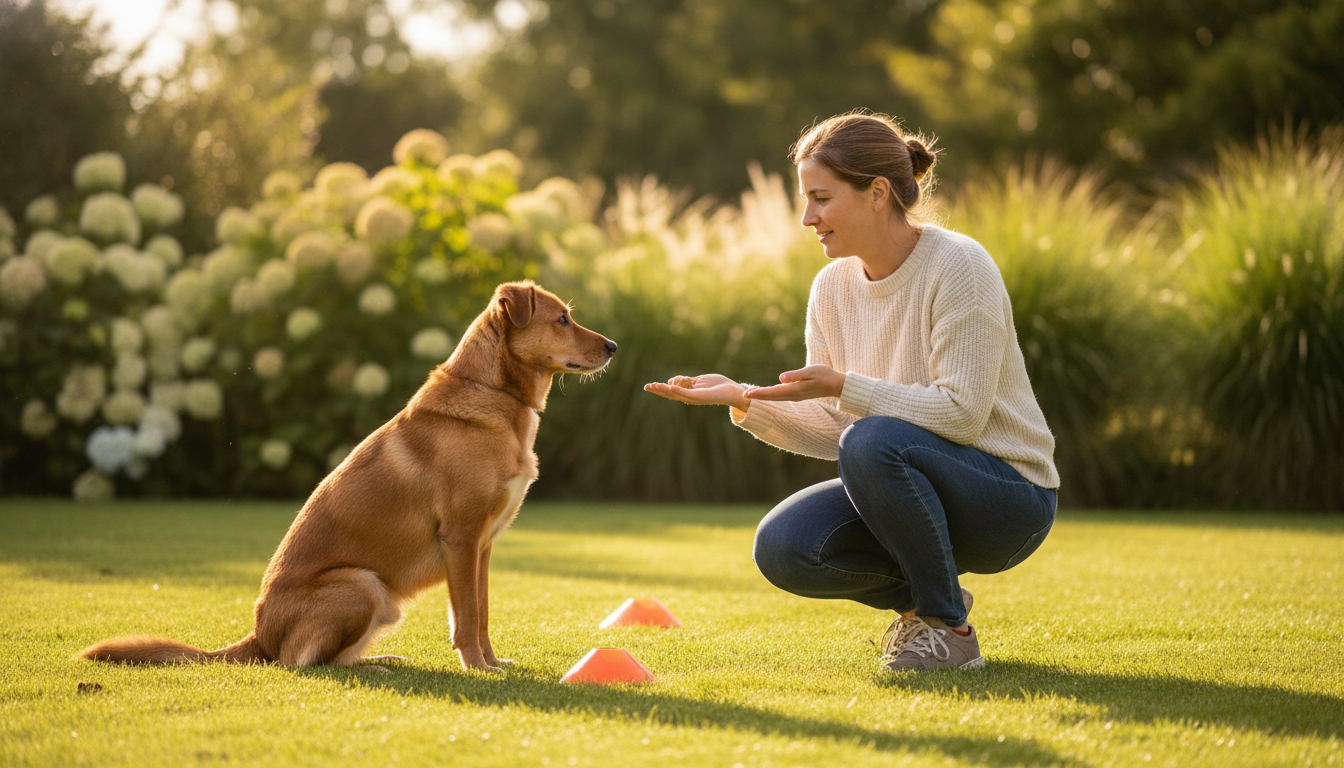
Do you wish your pet would just pause when things get busy? Whether at the park or answering the door, controlling your pet’s movements is reassuring. Learning how to train a dog to stay is a big achievement for any pet owner.
This guide is easy to follow and perfect for beginners. We focus on clear commands, useful tips, and steady progress. This builds trust between you and your pet. Just a few minutes each day can improve focus and obedience.
Patience is key on this journey. You’re not just teaching a trick; you’re strengthening a lifelong bond. Let’s look at simple ways to turn chaos into calm, controlled behavior.
Key Takeaways:
- Mastering basic impulse control through short, daily practice sessions.
- Building reliable obedience using positive reinforcement and clear signals.
- Developing patience while ensuring your pet feels safe and confident.
What the Stay Command Means and Why It Matters
Learning the “stay” command is key in dog training. It tells your dog to stay put until you say it’s okay to move. This command is simple but very important.
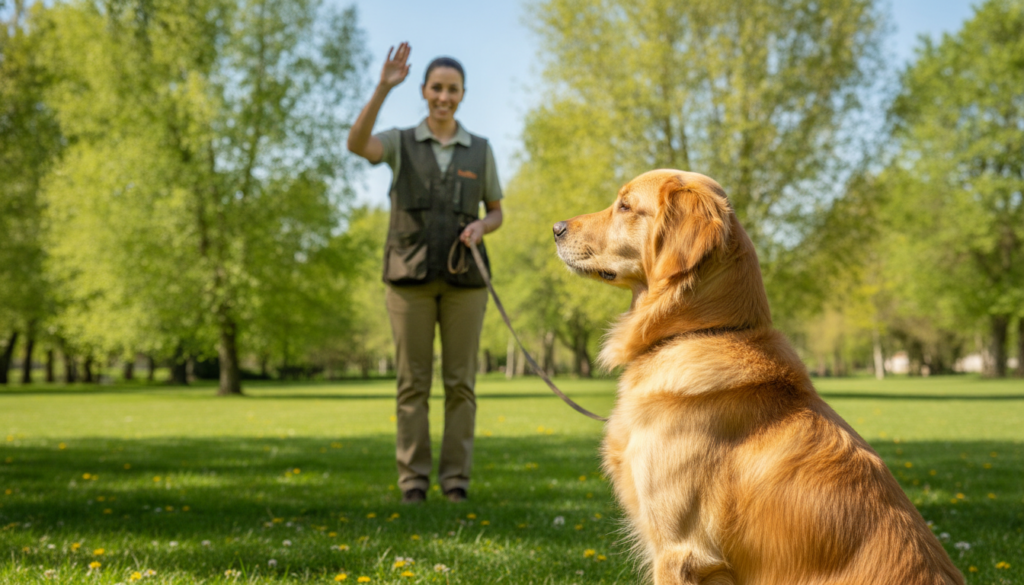
Define “Stay” as Remaining in Place Until Released
The “stay” command means your dog must stay in one spot. This could be sitting, standing, or lying down. It’s not just a hint, but a clear order to stay still.
Your dog will only move when you give a specific release word. This word could be “free” or “okay.” This rule makes your dog feel safe because they know when to stop.
Use Stay for Safety, Manners, and Everyday Control
Using the “stay” command every day keeps your home in order. It stops your dog from running out the door or jumping on visitors.
This skill is also vital for safety. A good “stay” can keep your dog from running into traffic or getting into danger while walking.
Understand the Difference Between Stay, Wait, and Come
Many people mix up “stay,” “wait,” and “come.” This can confuse both you and your dog. Using these words correctly helps your dog know exactly what to do.
- Stay: A formal command meaning “do not move from this spot until I return to you or release you.”
- Wait: A temporary pause, often used at doorways or before eating, where the dog can move once you give the go-ahead.
- Come: An active recall command that instructs your dog to leave their current position and move directly toward you.
By keeping these commands clear, you’ll see better results in dog training. Your pet will learn to listen better, leading to a stronger bond between you.
Prepare for Successful Dog Obedience Training
Getting ready is key to good dog training. Before you begin, make sure your dog can focus. A quiet place helps them understand what you want without getting distracted.
Choose a Quiet, Low-Distraction Training Area
Start in a room your dog knows and feels safe. Stay away from busy places, loud sounds, and other pets. This way, your voice will be the main thing your dog listens to.
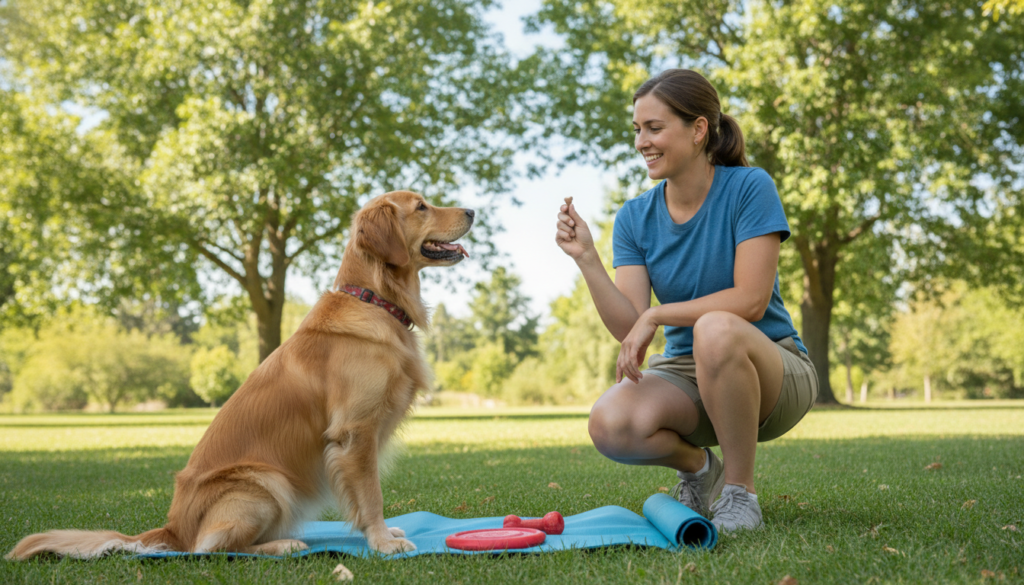
Gather Small Treats, a Leash, and a Release Cue
Having the right tools helps keep your training on track. Keep treats, a leash, and a release word ready. This makes rewarding your dog quick and easy.
- High-value, pea-sized treats that are easy to swallow.
- A standard four-to-six-foot leash for better control.
- A consistent release word like “Free,” “Break,” or “Okay.”
- A clicker or a specific marker word to signal success.
Schedule Short Sessions When Your Dog Is Calm and Alert
When and how long you train matters a lot. Keep sessions short, five to ten minutes, to keep your dog interested. Train when your dog is calm and has some energy out.
How to Train a Dog to Stay with the Basic Cue
Teaching your dog to stay starts with a simple, four-step process. Breaking it down into small parts helps your pet understand what you want. This method builds confidence and keeps your dog calm while learning.
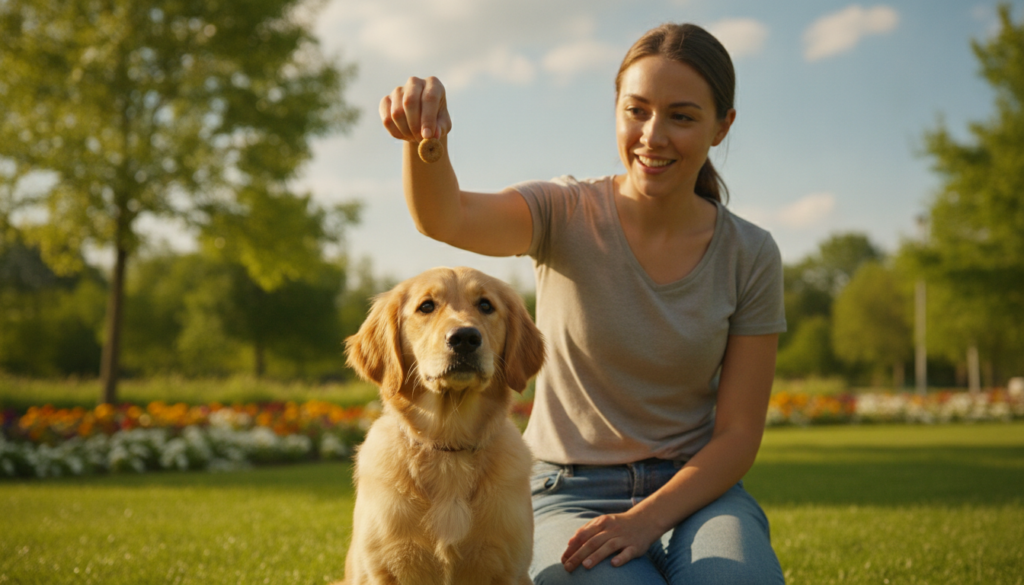
Step One: Ask Your Dog to Sit
Begin by asking your dog to sit in a quiet place with no distractions. A good sit is the foundation for a stay command. Make sure your dog is relaxed and focused on you before moving on.
Step Two: Present an Open Palm and Say “Stay”
After your dog sits, hold your hand out with your palm facing them. This hand signal is a clear cue for staying. Say “stay” in a calm, firm voice.
Step Three: Reward the Pause Immediately
Give a treat the moment your dog stays in the sit position. Rewarding them right away links the stay command to a positive outcome. This keeps your dog from getting restless or moving.
Step Four: Give a Clear Release Cue
End the exercise with a word like “free” or “okay.” A consistent release cue is key to effective training. It helps your dog know when to move and keeps them engaged.
Build the Stay Command One Variable at a Time
Training your dog to stay involves a simple rule: change only one thing at a time. This helps your dog understand what you want without getting confused. If your dog finds a task hard, go back to an easier version instead of trying the same thing again.
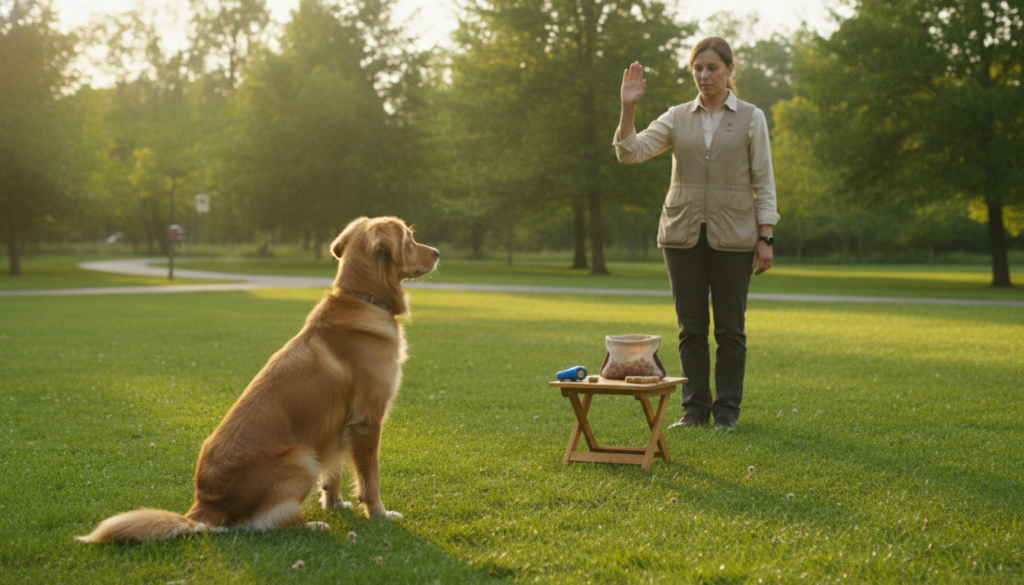
Increase Duration Before Adding Distance
Begin by teaching your dog to stay for longer periods. Keep close to your dog at first and then slowly move further away. This builds patience and prepares your dog for staying in place, even when you’re not right next to them.
Add Distance Gradually Without Turning Away Too Soon
When your dog can stay for a good amount of time, start moving further away. Take small steps back and keep an eye on your dog. Don’t turn your back or walk away too fast, as this can make your dog break their stay.
Introduce Distractions Only After the Basics Are Reliable
After your dog is good at staying for a long time and at a distance, add distractions. Start with small things like a quiet noise or a slow movement. These steps help your dog stay calm and focused, even when things get more interesting.
Teach Your Dog to Stay in Different Positions
A good stay command for dogs means more than just sitting. Teach your dog to stay in various positions like sitting, lying down, or standing. This teaches them the command works for any posture.
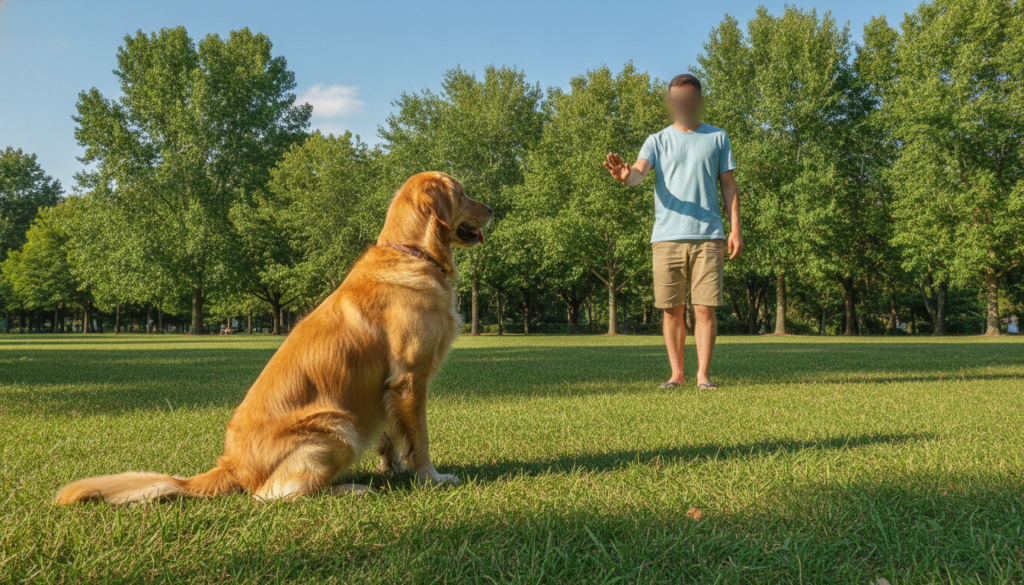
Practice a Reliable Sit Stay
The sit stay is a key part of this training. It’s great for when you need your dog to pause, like opening a door or saying hello to someone. It’s a natural position for dogs, making it easy to start with.
Develop a Down Stay for Longer Periods
The down stay is perfect for longer calm times. Dogs naturally relax when lying down, making it great for quiet moments. It’s perfect for outdoor dining or relaxing at home.
Teach a Stand Stay for Grooming and Handling
A stand stay is crucial for vet visits, grooming, or cleaning muddy paws. It keeps your dog upright and alert. Teach it separately to help your dog get used to standing still for care tasks.
Use Positive Reinforcement for the Stay Command
Positive reinforcement is the best way to teach your dog to stay still. It builds trust and clarity. Your dog will want to stay because it feels good, not because it’s forced.
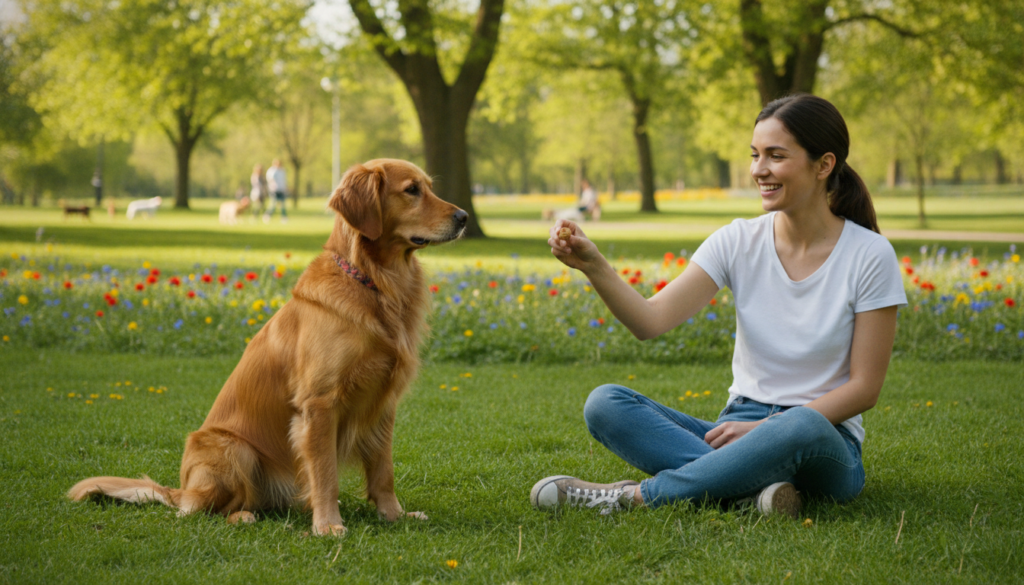
Reward Calm Behavior While Your Dog Holds Position
Timing is key when teaching your dog to stay. Reward them right when they show calm behavior. This tells them exactly what they did right.
Waiting too long to reward can make your dog lose focus. Keep training sessions short and focused. This way, your dog learns that staying still is rewarding.
Deliver Treats Without Luring Your Dog Forward
Don’t use treats to lure your dog out of position. Give the reward directly to their mouth while they stay. This stops them from moving forward to get it.
You can also put the treat on the floor between their paws. This keeps their head down and helps them stay. It keeps the reward close, so they don’t move too soon.
Use Praise, Toys, and Life Rewards Alongside Food
Food is great, but mix up your rewards to keep things interesting. Verbal praise, like “good stay,” is helpful. You can also use a favorite toy as a reward for longer stays.
Try using life rewards, like opening a door for a walk. These natural rewards show that obedience is fun. Mixing these rewards keeps your dog excited for training.
Increase Stay Duration and Distance Safely
Building a reliable stay is a journey of small steps. Gradual progress helps your dog learn to hold their position confidently. It’s about setting your pet up for success, not pushing them too hard.
Extend Stay Duration in Small, Successful Increments
Begin with a stay that lasts just a few seconds. Reward your dog right away if they stay calm. Then, slowly add a few seconds to each successful try.
Keep training sessions short to keep your dog excited. If they struggle, go back to a shorter duration where they succeeded. Small, consistent wins are key to effective training.
Walk Back to Your Dog Before Returning to the Release Cue
Many owners call their dog to end the exercise. But walking back to your dog to reward them is better. It teaches them the stay command is active until you return.
Returning to your dog reinforces the stay command. It stops them from moving towards you. Always reward them where they are to help them understand the boundary.
Practice Brief Stays at Different Distances
When your dog gets the basics, start varying your distance. Begin with one step away and then return right away. You don’t have to increase distance and time at the same time.
Practice short stays at different angles or distances. This shows your dog the command works no matter where you are. Keep exercises brief to keep your dog focused and successful.
Train the Stay Cue Around Real-World Distractions
Real-world environments can be tough for dogs to handle. They might do great in a quiet room but struggle with distractions. It’s important to make the stay cue stronger by adding more challenges.
Begin with Mild Indoor Distractions
Start with small distractions like soft music or a TV on low. You can also have someone walk slowly by. These small challenges help your dog learn to ignore distractions.
If your dog gets up, calmly put them back and make the distraction less intense. Being consistent is crucial. Keep training sessions short to keep things positive.
Progress to Doorways, Visitors, Toys, and Household Activity
When your dog gets used to small noises, try more challenging situations. Practice near doorways or have a friend come in. You can also use favorite toys to test their control.
Here are some tips for training in different settings:
- Use a long line near open doors for safety.
- Ask visitors to ignore your dog until you say it’s okay.
- Keep high-value toys in sight but out of reach.
- Practice during routine activities like vacuuming.
Practice Outdoors in a Secure, Fenced Location
Outdoor training adds new challenges like smells and sounds. Always use a fenced area to keep your dog safe. This lets you focus on training without worrying about escapes.
If the outdoors is too much, go back to a quieter place. Slowly add outdoor training as your dog gets better. Adjust the difficulty based on your dog’s focus.
Adapt Stay Training for Puppies and Rescue Dogs
Working with a puppy or a rescue dog needs patience. Each dog is different, with their own personality and history. To train them well, you must watch their behavior and adjust your training.
Keep Puppy Sessions Brief and Frequent
Puppies have short attention spans and lots of energy. Training should last only two to three minutes. Short, frequent sessions work better than long, tiring ones.
Focus on quality over quantity to avoid frustration or boredom. Make training a fun game for your puppy. Always end on a positive note while they’re still interested.
Build Trust with a Newly Adopted or Nervous Dog
Rescue dogs may feel uncertain or scared. Your first goal is to build trust. Give them time to feel safe and comfortable.
Use gentle cues and positive reinforcement to help them. If they seem anxious, keep your body language calm. Building confidence is key to a reliable stay.
Account for Age, Energy Level, and Training History
Your dog’s background affects how they learn new commands. Older dogs with training may learn quickly, while seniors may need more time. Consider their health and energy when planning training.
High-energy dogs might need a walk or play before training. This helps them focus better. Tailor your training to meet your dog’s needs for a supportive environment.
Fix Common Problems During Stay Training
Even the most well-behaved dogs face challenges during stay training. Troubleshooting is a normal part of the journey. Stay calm and consistent to fix these issues without stressing your pet.
Respond When Your Dog Stands Before the Release Cue
If your dog stands up before the release cue, don’t scold them. Gently guide them back and start again. This teaches them that breaking the stay means the fun isn’t over yet.
Be light and encouraging during these resets. Frustration can make your dog anxious or confused. Gentle guidance is key to a reliable stay.
Handle Barking, Whining, Pawing, or Crawling Forward
Dogs may bark or move when they’re impatient or bored. If they paw or crawl, you’ve pushed them too hard. Shorten the next few repetitions to help them succeed.
Barking and whining show your dog is excited. Go back to an easier version of the exercise. Reward them for being quiet and still.
Rebuild Focus When Your Dog Watches Your Hands Instead of You
Many owners teach their dogs to watch hands for treats, not the verbal cue. Stop using food as a lure. Keep treats hidden until after the release cue.
This change helps your dog focus on your voice and body language. It fixes common mistakes and strengthens your bond.
Use a Practical Stay Training Schedule
Consistency is key in dog training. Spend a few minutes each day on training. This helps your dog understand what you want.
Short sessions keep your dog focused and interested. They don’t get tired or bored.
Follow a Short Daily Routine for Consistent Progress
Try to have three to five short sessions a day. Each should last no more than five minutes. This keeps your dog sharp and avoids frustration.
Focus on one goal per session. For example, work on staying longer or moving further away.
Track Duration, Distance, Distractions, and Successful Releases
Keep a log of your training. It shows where your dog does well and where they need more work. Note the stay time, distance, and any distractions.
This helps you know when to make things harder or easier. It keeps your training on track.
Move from Indoor Practice to Everyday Situations
Start training in different parts of your home once your dog is good in a quiet room. This ensures the command works everywhere.
Introduce real-world scenarios like practicing near the front door or while cooking. Keep using the same rewards and signals. This makes your dog’s stay reliable, even when life is busy.
Conclusion
Building a reliable dog stay command takes patience and clear communication. You make a safer space for your pet by focusing on small, consistent wins. This happens during your daily practice sessions.
Successful beginner dog training depends on immediate reinforcement. You need to adjust your expectations based on your dog’s age, confidence, and energy level. Every dog learns at their own pace, so keep your goals realistic.
Short, positive exercises make complex obedience tasks simple habits. Your dog will become more attentive and calm as you add these techniques to your routine. A dependable stay command gives you better control during walks, visits, or unexpected situations at home.
Commit to these brief training moments to strengthen your bond with your pet. Your dedication today will lead to a well-mannered dog that understands what you need. Start your next session with confidence and enjoy the progress you make together.