
How to Use a Dog Training Whistle for Best Results.
Learn how to use a dog training whistle to teach reliable recall, reinforce commands, and build clear communication with your dog at any distance with ease.
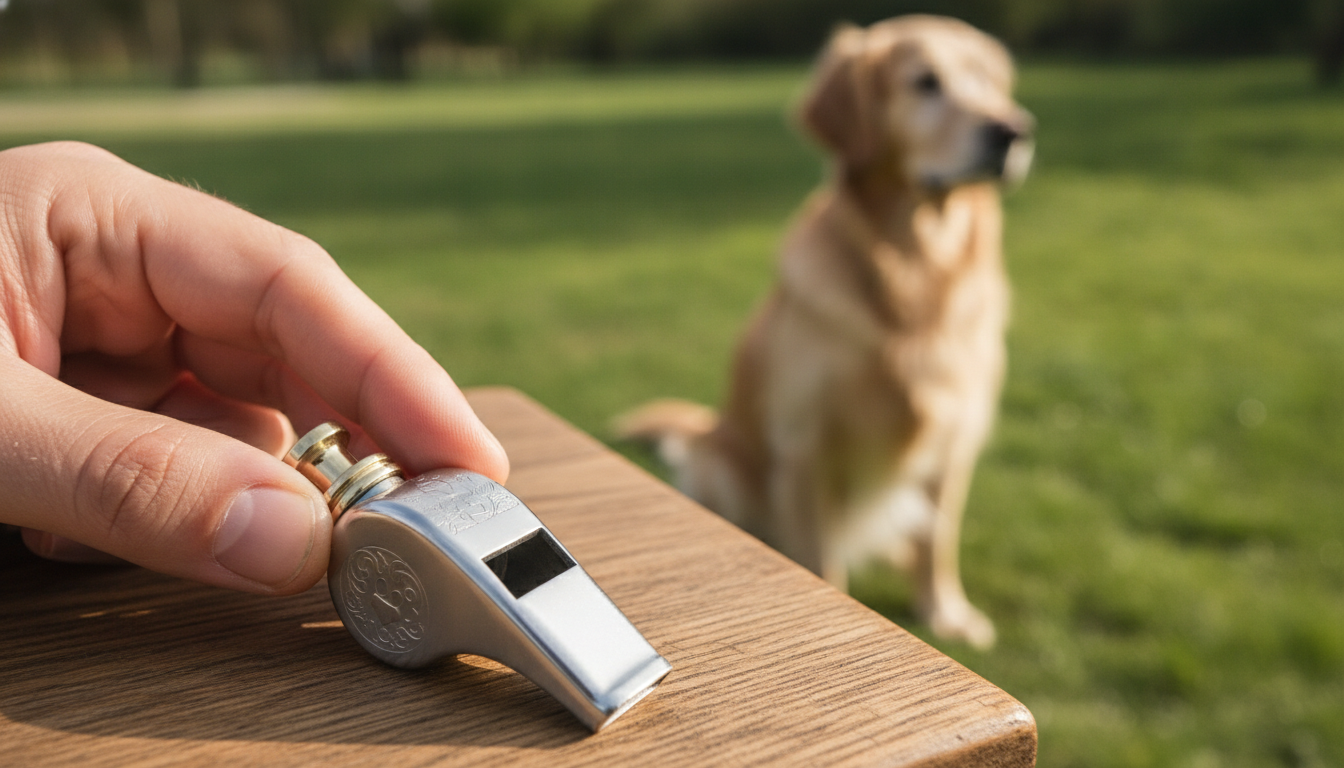
Few moments feel better when your dog turns, listens, and runs back to you. A clear response builds trust and makes walks, yard time, and outdoor adventures safer. With patience, a dog training whistle can help create this reliable connection.
This guide covers whistle training basics for better communication at short or long distances. You will learn to use clear signals, reward good behavior, and add distractions one step at a time.
Success depends on timing and consistency. Keep each signal simple, use positive reinforcement, and respect your dog’s hearing and comfort. A dog training whistle supports daily practice, but it cannot replace supervision, routine training, or thoughtful behavior management.
What Is a Dog Training Whistle and How Does It Work?
A dog training whistle makes a clear sound that travels farther than your voice. Its steady tone carries across open spaces, where spoken commands may fade or sound unclear. Use it at home, in your yard, or during outdoor work.
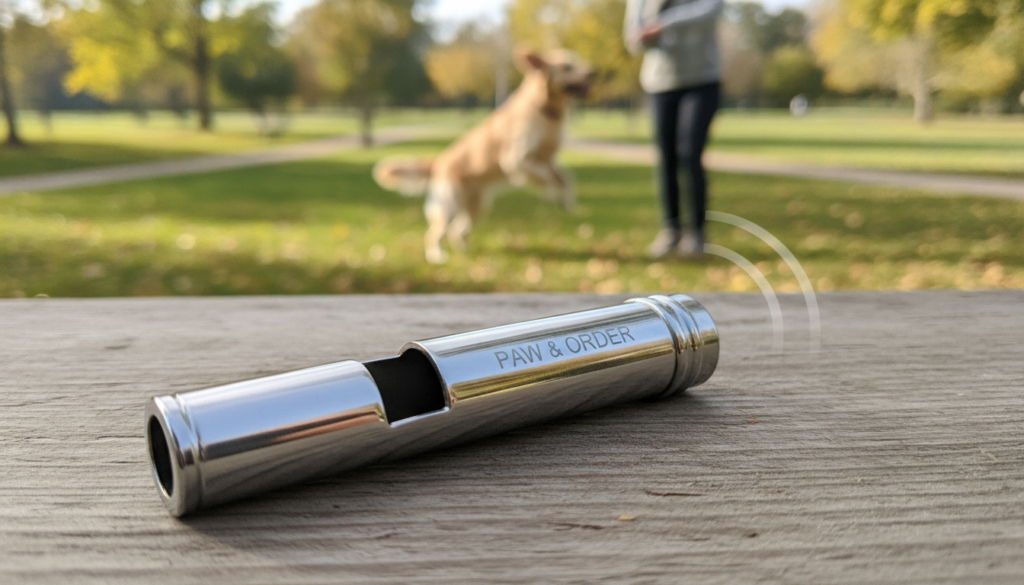
How Whistle Signals Communicate With Your Dog
A whistle has no built-in meaning for your dog. Your dog learns each meaning through practice, praise, and rewards. This process turns every sound into one of several dog command signals.
Use one short blast to gain attention and a longer sound for recall. Two blasts could mean stop, while a soft release cue ends the exercise. Pair each signal with the action you want your dog to perform.
Dog Training Whistle Sounds and Their Purposes
Keep every whistle pattern simple. Your dog should hear clear differences between attention, recall, wait, stop, and release cues. A dog training whistle works best when each sound has one purpose.
- One short blast can ask your dog to look at you.
- Two short blasts can signal a stop or pause.
- A long, steady blast can support a recall cue.
- A gentle release sound can mark the end of an exercise.
Choose patterns that feel easy for you to repeat. Your timing matters as much as the sound. Praise your dog right after the correct response.
Why Consistent Signals Improve Training Results
Dogs learn through clear patterns. Use the same number of blasts, rhythm, volume, and timing each time. This whistle communication helps your dog tell one cue from another.
Do not change a signal when your dog responds slowly. Give your dog time to learn, and reward every correct response. With steady practice, the dog training whistle becomes a reliable link between your cue and your dog’s behavior.
How to Choose the Best Dog Whistle for Training
The best dog whistle for training should match your dog, training goals, and usual setting. Compare sound range, comfort, control, and build quality before you buy. Choose one model that feels easy to use, then keep its signal steady during training.
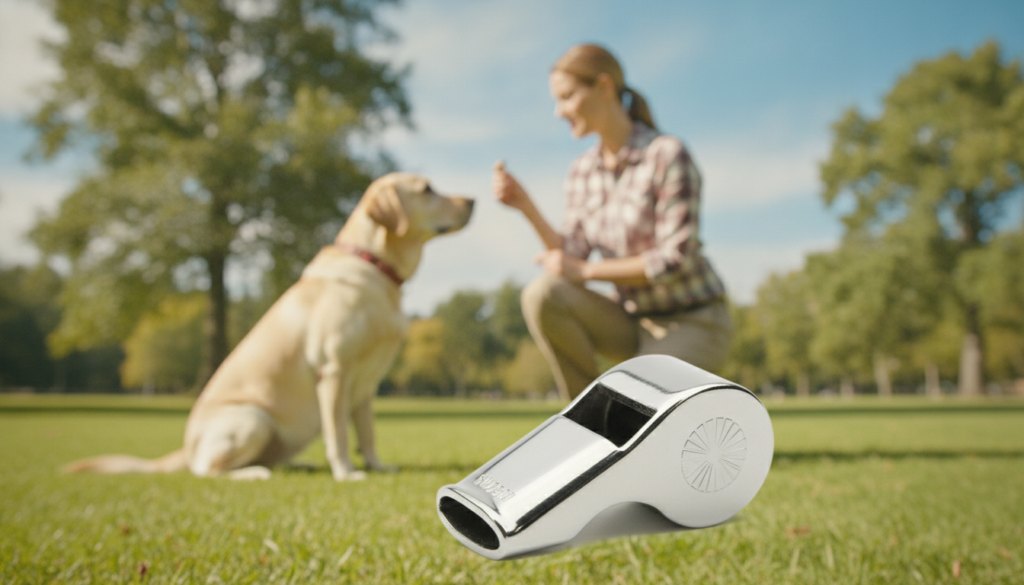
Silent Dog Whistle Versus Standard Training Whistle
A standard training whistle creates a clear tone that most people can hear. It works well in parks, fields, and basic obedience sessions. You can judge its volume easily, which helps control the signal near your dog.
A silent dog whistle uses a higher pitch. Despite its name, people may still hear it, especially nearby. Pitch and volume can vary by product, so test it outdoors. Choose a comfortable model that gives your dog a clear response.
When to Use an Ultrasonic Whistle for Dogs
An ultrasonic whistle for dogs can carry across open spaces with less effort. Its high pitch may help with recall practice, field work, or distance commands. Wind, trees, buildings, and other sounds can affect how well your dog hears it.
Each dog responds to sound differently. Some dogs react well to high pitches, while others respond better to lower tones. Test the whistle nearby first, then increase the distance only after your dog responds with confidence.
Features of a Professional Dog Training Whistle
A professional dog training whistle should produce a consistent tone each time. Choose a comfortable mouthpiece that does not strain your lips. A strong plastic or metal body can withstand daily training and outdoor use.
- Choose a steady tone with useful range.
- Check for pitch or volume adjustment.
- Look for a lanyard, clip, or secure carrying option.
- Test the sound before relying on it for recall.
Ease of use matters when your dog moves fast. A whistle that slips, cracks, or changes pitch can weaken your signals. Select one reliable tool and use the same cues each time. Frequent equipment changes can confuse your dog and slow progress.
Preparing Your Dog for Whistle Training
Before you use a dog training whistle outdoors, help your dog understand its sound in a calm setting. Start inside your home or in a quiet, fenced area. Keep your dog relaxed, and limit noise, movement, and nearby activity.
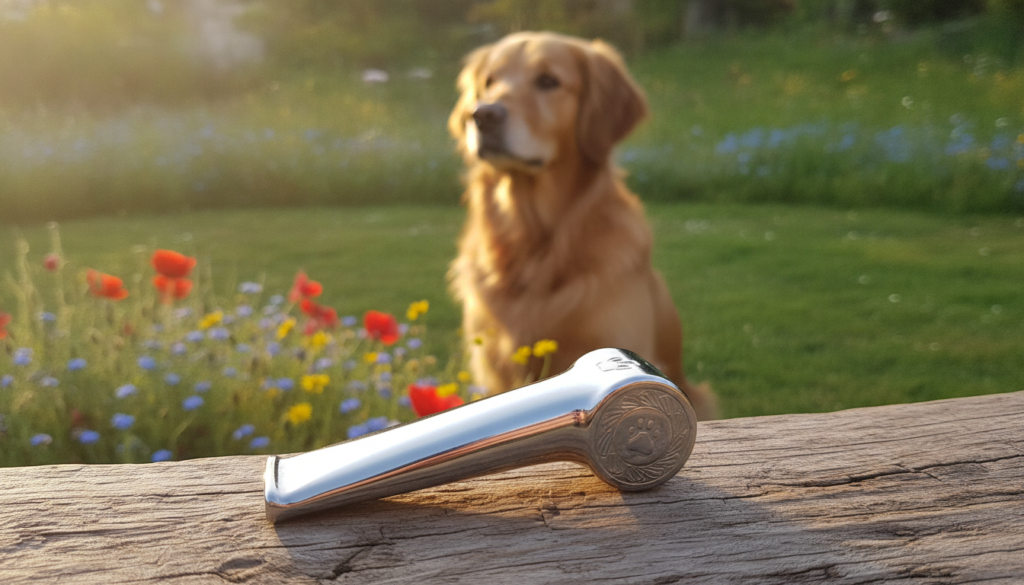
Teaching Your Dog to Pay Attention to the Whistle
Hold the whistle away from your dog’s ears. Give one soft, single blow while your dog is calm. Watch for a glance, ear movement, or turn toward you, then mark it with warm praise right away.
Keep the volume low and comfortable. Never blow the whistle close to your dog’s head. During early whistle conditioning, repeat the sound only a few times in one session, then stop while your dog remains relaxed and interested.
Pairing Whistle Sounds With Rewards
Offer a high-value treat, a favorite toy, or praise right after each whistle. The reward should arrive within a few seconds. This timing helps your dog connect the sound with something pleasant.
Use positive reinforcement for dogs to build trust and focus. Practice several short sessions each day instead of one long lesson. With repetition, your dog may look toward you as soon as the dog training whistle sounds.
Creating a Quiet, Distraction-Free Training Area
Choose a room with little foot traffic, or use a secure yard away from busy streets. Keep other pets, toys, traffic, and loud sounds out of the first sessions. A calm space lets your dog learn the whistle without competing signals.
Add new challenges one at a time after your dog responds with ease. Increase distance, movement, and background noise in small steps. If your dog loses focus, return to a quieter place and use a softer signal.
How to Teach Basic Whistle Commands
A dog training whistle should reinforce skills your dog already knows. It cannot teach a behavior by itself. Start with a known word or hand signal, add one clear whistle cue, and reward correct responses right away.
Using a Whistle to Teach Sit and Stay
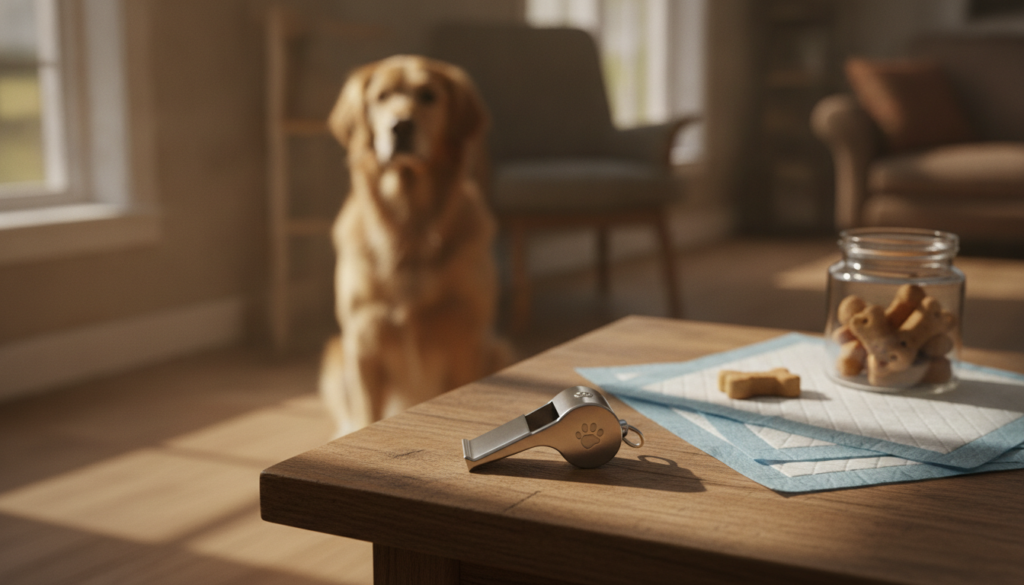
Begin sit and stay training in a quiet area. Give one short whistle signal before your usual sit cue. When your dog sits, mark the response with praise and offer a small treat.
For stay, wait until your dog understands the position. Use a distinct, sustained whistle or a short repeated pattern. Keep the first stay brief. Give a separate release cue, such as “free,” before your dog moves.
Introducing Stop and Wait Signals
Practice stop and wait in a low-risk space, such as a fenced yard. Use one signal for stop and another for wait. Reward even a brief pause because early success builds understanding.
Do not use these whistle commands near traffic or other hazards until your dog responds confidently. Add distance and mild distractions at a slow pace.
Keeping Whistle Commands Clear and Consistent
Choose one pattern for each behavior. Similar sounds can confuse your dog and slow progress. Keep each signal short, calm, and easy to repeat.
Write down your whistle system and share it with every household member. Your dog will learn faster when everyone uses the same cues, timing, and release signal.
Using a Whistle for Recall Training
A clear whistle for recall training helps your dog return from far away. Begin in a calm, safe place where your dog notices you. Use one sound every time.
Choosing a Whistle for Recall Training
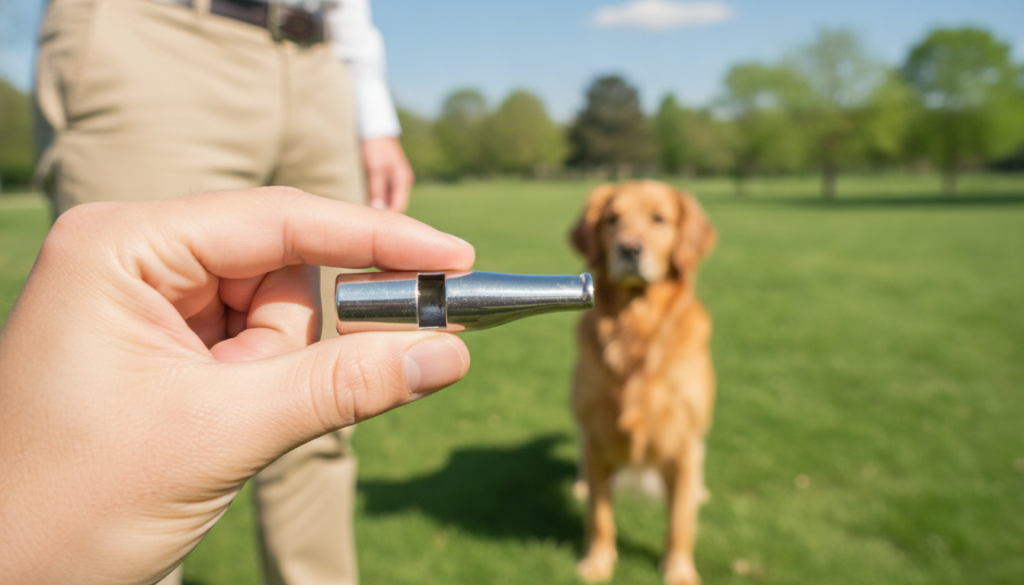
Choose a recall whistle with a clear, repeatable sound. You should hear it without blowing hard. Pick a comfortable model that stays secure in your hand.
Test the whistle indoors before using it outside. A sharp tone can cross a yard, but it should not startle your dog. Keep the sound the same in every session.
Building a Reliable Recall With Positive Reinforcement
Begin inside or in a secure yard. Give the recall signal when your dog looks at you or moves toward you. Reward a quick response with something your dog values.
- Offer small pieces of chicken, cheese, or another favorite treat.
- Start a short game with a toy.
- Use warm praise and gentle attention.
- Allow access to a preferred activity, such as sniffing.
Do not repeat the signal again and again. Wait for your dog to respond, or shorten the distance and try again. Never punish your dog for coming back.
Your dog should learn that returning to you is safe and rewarding.
Practicing Recall at Increasing Distances
Begin with a few feet between you and your dog. Increase the distance only after several quick responses. Change locations carefully because new smells and sounds can make training harder.
Use a long line in an open area when appropriate. It lets your dog explore while keeping you in control. During dog recall practice, reward each strong response and keep sessions brief.
Mix recall drills with play and relaxed sniffing. Do not use the signal only when fun is ending. Call your dog back, reward the response, and release your dog to enjoy the activity again.
How to Use a Distance Dog Training Whistle Outdoors
Outdoor spaces add wind, hills, water, traffic, and animal sounds to each lesson. Start in a secure, enclosed area where you control the setting. A distance dog training whistle should sound clear without being harsh or startling.
Adjusting Whistle Volume for Outdoor Environments
Use the lowest volume your dog can hear easily. Wind may carry the whistle away or push its sound elsewhere. Trees, fences, slopes, and buildings can block or reflect the cue.
Water and traffic create steady background noise. When possible, wait for a quiet moment and test the signal from several points. Never blow directly toward your dog at close range.
Protect your dog’s hearing and keep each cue calm.
Training Your Dog to Respond From Far Away
Begin outdoor dog training inside a fenced yard or another secure enclosure. Use a leash or long line that cannot tangle around posts, trees, or your dog’s legs. Reward a quick response with food, play, or praise.
Increase the distance in small steps. Confirm that your dog knows the whistle before adding space or distractions. Practice long distance recall only where you have legal access, clear boundaries, and no uncontrolled hazards.
Stay far from roads, steep drops, unsafe ice, and off-leash animals.
Using Hand Signals Alongside Whistle Commands
When your dog can see you, pair the whistle with a clear hand signal. Point toward yourself for recall, raise an open palm for wait, or guide your dog with a sweeping arm motion. Keep each signal simple and consistent.
The whistle must remain meaningful on its own. Your dog may lose sight of you in tall grass, behind a hill, or near water. Practice with brief visual contact, secure equipment, and rewards.
The cue stays useful when hand signals are not visible.
Adjusting Pitch, Volume, and Timing for Better Results
Small sound changes can affect your dog’s response. Test each setting in a quiet place, watch body language, and change one factor at a time.
How an Adjustable Pitch Whistle for Dogs Works
An adjustable pitch whistle for dogs lets you change its tone. Its useful range depends on the design and your dog’s hearing. Some dogs respond to a higher tone, while others notice a lower sound more clearly.
Begin with a soft setting. Give one short signal and watch for an ear turn, head movement, or glance toward you. Stop if your dog shows stress, avoids the sound, startles, or seems to have ear discomfort.
Finding a Comfortable Whistle Pitch for Your Dog
Test pitch settings indoors before training outside. Keep the whistle volume moderate and stand several feet away. Your dog should notice the cue without flinching or trying to escape.
Choose the setting that gains attention with the least effort. Your dog’s age, hearing, and the room’s sound level can affect its response. If your dog seems sensitive to the whistle, stop training and speak with a veterinarian or qualified behavior professional.
Avoiding Excessive Whistling During Training
Clear dog training timing matters as much as pitch. Give the cue once, wait for your dog to respond, and reward the correct action right away. Repeated blasts can weaken the signal’s meaning.
- Use brief, intentional signals.
- Allow your dog time to react.
- Lower the whistle volume near your dog.
- Reward the response without delay.
Using a Behavioral Training Whistle for Dogs
A behavioral training whistle for dogs should guide attention, never cause fear. Use it as a trained cue for redirection and calm choices. Pair each sound with a clear action and reward.
Managing Barking With Consistent Whistle Cues
First, identify why your dog barks. Common triggers include visitors, noise, boredom, and fear. When possible, wait for a brief pause, give a familiar whistle cue, invite focus, and reward quiet behavior.
Keep the sound calm and brief; never whistle over loud barking or frighten your dog. Good barking management includes exercise, distance from triggers, and home changes. The whistle supports these steps but cannot replace them.
Redirecting Chasing and Other Unwanted Behaviors
Teach an alternative response before practicing near strong distractions. Your dog can look at you, stop, or return when called. Practice in a quiet area first, then reward quick responses with treats, praise, or brief play.
Increase the challenge in small steps, and use a long leash when safety requires it. A whistle can support dog behavior modification when your dog understands the cue and wants to respond. Never use it to startle, threaten, or physically stop your dog.
Knowing When Whistle Training Is Not Appropriate
Do not use whistle training to punish fear, aggression, severe anxiety, compulsive actions, or predatory behavior. A sound may increase stress or make behavior harder to read. Stop the exercise if your dog hides, freezes, trembles, or becomes more reactive.
Ask a certified professional dog trainer or veterinary behaviorist for help when risks are high. Professional guidance can protect you, your dog, and other animals. Safe training should build trust and support lasting behavior change.
Common Dog Training Whistle Mistakes to Avoid
Whistle training works best when your dog understands the cue and can succeed. Many dog training whistle mistakes involve poor timing, unclear signals, or sessions that move too fast. Use calm guidance, fair rewards, and realistic goals to build trust.
Whistling Without Reinforcing the Desired Behavior
Do not give a whistle cue unless you can guide or reward the response. Your dog may learn that the sound means nothing. Wait until you can follow through, and choose a setting where your dog can focus.
Mark the correct action at once with praise, a treat, or a short game. This supports positive dog training and helps your dog connect the sound with success. Keep practice short when your dog shows stress or fatigue.
Changing Signals or Commands Too Often
Changing the pattern, pitch, or meaning of a signal can confuse your dog. Each change forces your dog to learn the system again. Choose one sound for each behavior and use consistent whistle cues during every session.
Avoid rapid repetitions when your dog does not respond. Pause, reduce the distance, or lower distractions. Give your dog time to process the cue before trying again.
Using the Whistle as a Punishment
A whistle should predict guidance, rewards, and clear expectations. It should never signal pain, fear, or isolation. Loud blasts used to frighten your dog can damage trust and weaken recall.
Use positive dog training to redirect unwanted behavior. Start with easy tasks, add distractions in small steps, and reward steady progress. These habits prevent common dog training whistle mistakes and help your dog respond with confidence.
Conclusion
A dog training whistle makes commands clear over distance, but it works best with a steady plan. Choose a whistle for your dog and training setting, then pair its sound with cues, treats, praise, or play.
Begin in a quiet, safe area and reward each correct response. Use a whistle for recall training only after your dog understands its meaning, then add distance and distractions slowly.
Consistent timing supports reliable dog communication. Use the same signals each time, avoid repeated blasts, and never use the whistle to frighten or punish your dog.
Watch for stress signs and adjust the pitch, volume, or session length when needed. Strong recall and other behaviors grow through repetition, trust, and humane training.
Keep practicing in new locations while holding realistic expectations. With patience and careful timing, your dog can respond well without excessive volume.