
Meet the Cutest Dog Breeds Perfect for Any Home.
Meet the cutest dog breeds and learn how to choose a lovable companion that suits your home, lifestyle, and family for years of joyful friendship today.
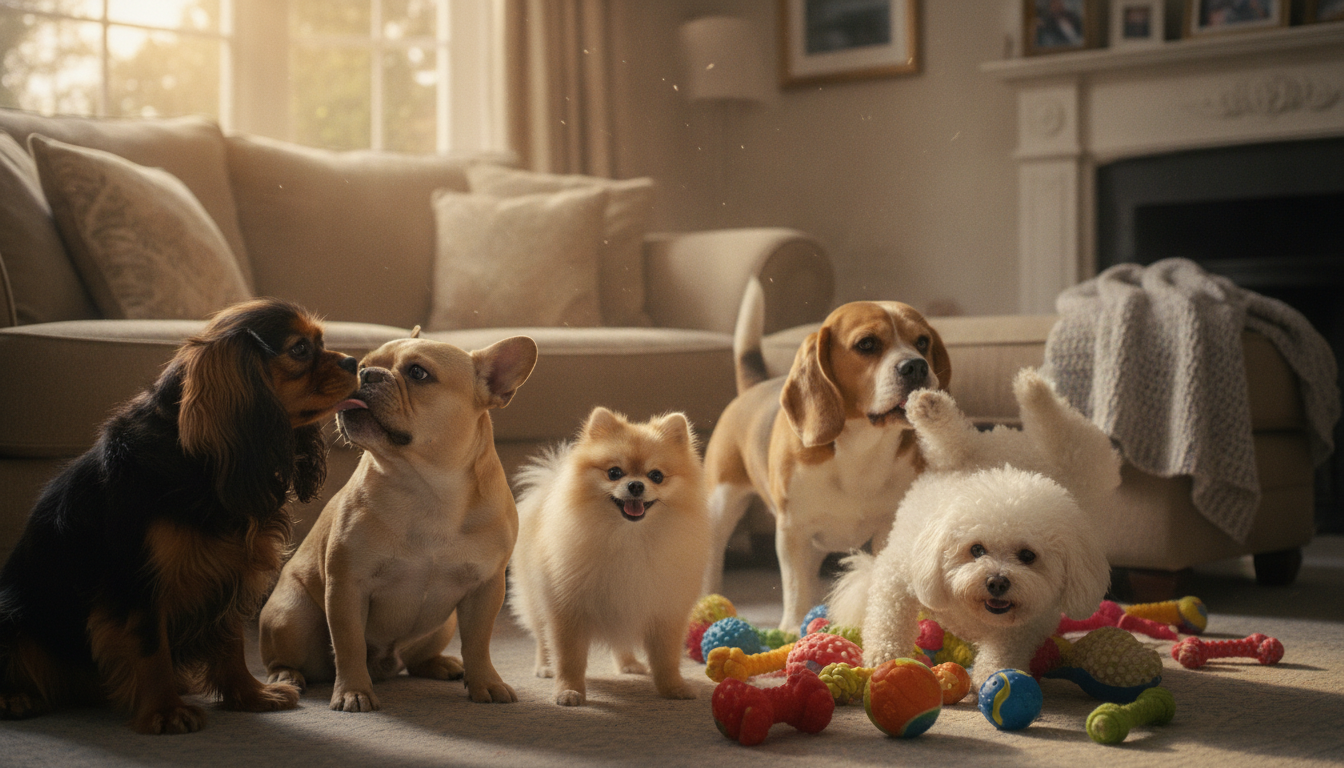
Few moments feel warmer than coming home to a happy dog. A playful puppy or calm companion can bring comfort, laughter, and lasting friendship.
The cutest dog breeds have different personalities and care needs. Before you choose, consider your living space, daily schedule, budget, family members, and long-term pet ownership.
This guide compares lovable furry friends by looks, temperament, energy level, and grooming needs. It also offers advice on choosing a puppy, preparing your home, and building healthy daily routines.
With the right match, your new dog can feel at home from the start. More importantly, you can build a safe, joyful relationship that lasts for many years.
How to Choose the Right Dog Breed for Your Home
Choosing a dog starts with an honest look at your home and daily life. Size, noise, exercise needs, and care costs can shape your experience. The top dog breeds do not suit every household.
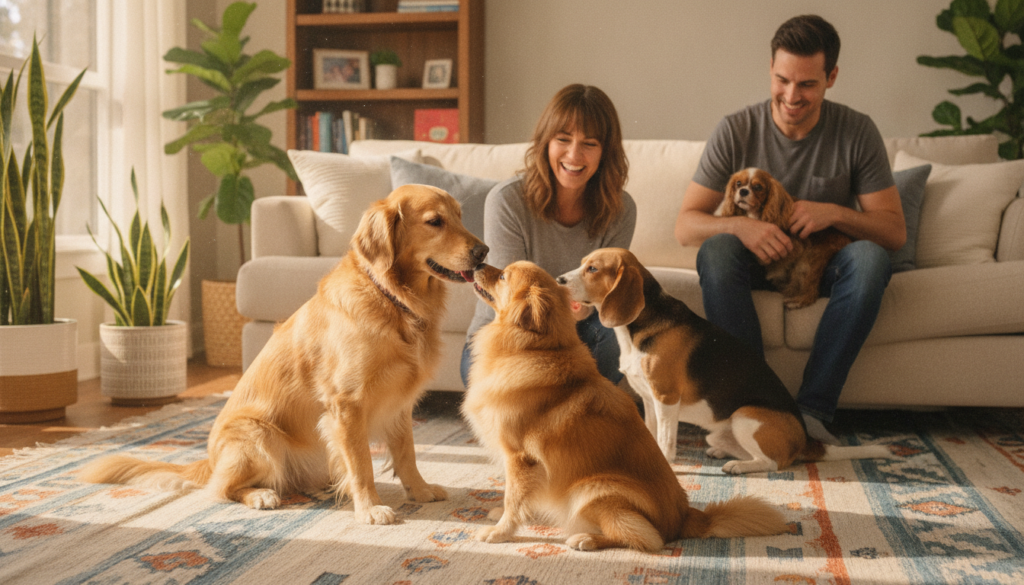
Consider Your Living Space and Daily Routine
Measure your available space before choosing a breed. A large dog may need room to move, while a small dog often adapts to an apartment. Size does not tell the whole story.
Some small dogs are loud or active, while some large dogs enjoy quiet indoor time.
Think about your walls, floors, neighbors, and outdoor access. A breed with a strong barking habit may be hard to manage in a shared building. Check for safe walking routes, nearby parks, and a secure yard.
These features can make daily care much easier.
Evaluate Energy Levels and Exercise Needs
Your work hours and exercise habits should guide your choice. If you spend long hours away, choose a breed that handles calm periods with proper care. Active breeds may need long walks, games, or training each day.
Review your travel plans, too. Frequent trips may require a trusted sitter, boarding care, or a dog walker. Make sure your schedule supports the breed’s needs for movement, play, and attention.
Charming dog breeds can bring joy, yet their energy levels may vary widely.
- Match daily walks with your fitness level and free time.
- Plan for exercise during hot, cold, or rainy weather.
- Check whether your dog will have safe outdoor space.
Think About Grooming, Training, and Care Requirements
Coat care can affect your schedule and budget. Some dogs need weekly brushing, while others need regular professional grooming. Shedding, ear care, nail trims, and dental care should fit your routine.
Research training needs before choosing. Intelligent breeds may learn quickly but still need steady guidance. Ask about common health concerns, expected food costs, and routine veterinary expenses.
Pet insurance, medications, and emergency care can raise the total cost of ownership.
Compare each breed’s needs with your time, skills, and resources. This step helps you find a healthy match among the top dog breeds and charming dog breeds that interest you.
Meet the Cutest Dog Breeds for Every Lifestyle
Your ideal dog should match your daily life, not only your favorite look. The Cavalier King Charles Spaniel, Golden Retriever, French Bulldog, and Shih Tzu each have warm personalities but different care needs. These charming dog breeds can suit many homes. Consider space, time, activity, and grooming before choosing among the cutest dog breeds.
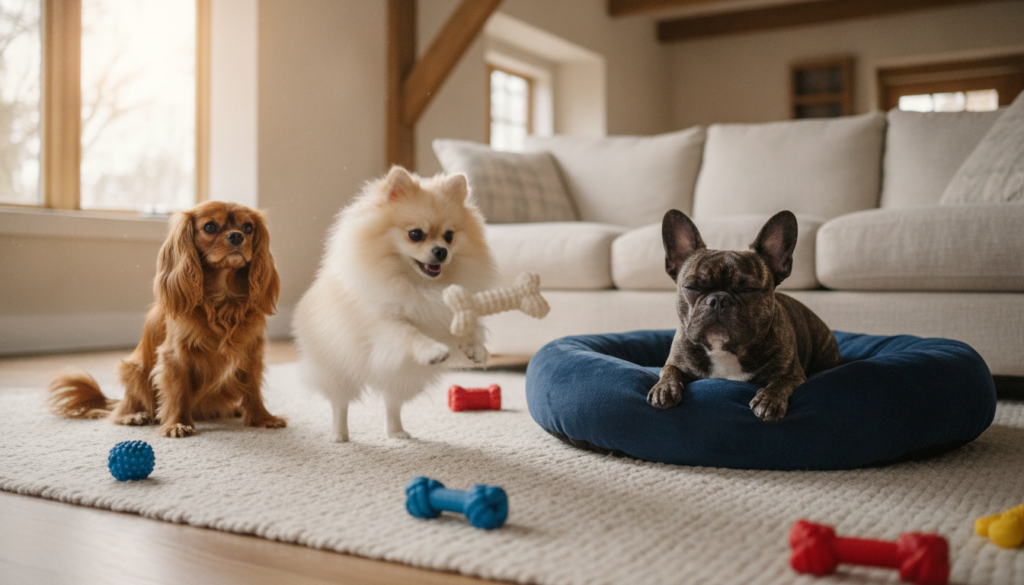
Cavalier King Charles Spaniel for a Gentle Companion
The Cavalier King Charles Spaniel is affectionate, gentle, and eager to stay close. It often enjoys relaxed walks, play sessions, and quiet time on the couch. Daily exercise supports a healthy weight and steady behavior.
The silky coat needs brushing several times each week. Cavaliers respond well to calm, reward-based training. Their friendly nature suits singles, couples, and families seeking a devoted companion.
Golden Retriever for an Affectionate Family Dog
Golden Retrievers are social, patient, and eager to join family activities. They need daily walks, active play, and mental tasks, such as retrieving games or puzzle toys. A fenced yard can help, but it does not replace time with you.
This breed sheds often and needs regular brushing. Goldens learn well with praise and clear routines. Their playful nature makes them some of the best family pets, especially in homes with time for exercise and training.
French Bulldog for a Charming Apartment Pet
The French Bulldog is adaptable, companionable, and often content in an apartment. Short walks and indoor play may meet its exercise needs. Avoid intense heat and hard exertion because its short muzzle can make breathing difficult.
Its smooth coat needs little grooming, but you should keep skin folds clean and dry. French Bulldogs can be stubborn, so brief training sessions and tasty rewards work well. This breed suits households that prefer a close, lower-energy pet.
Shih Tzu for a Lovable Lap Dog
The Shih Tzu is friendly, alert, and happy to stay near you. It needs short walks, gentle play, and regular attention. Its long coat requires daily brushing, while a shorter trim can make home care easier.
Start training early with kind, steady guidance. Shih Tzus may need patience with house training. They can suit seniors, apartment residents, and families seeking a small companion with a lively spirit.
Individual temperament can vary within every breed. Before choosing, ask about health screening, responsible breeding, or adoption history. Your veterinarian can help assess health needs, exercise limits, and the best match for your household.
Small Breed Dogs That Fit Comfortably in Any Home
Small breed dogs often fit well in apartments, condos, and smaller houses. Maltese, Havanese, Yorkshire Terriers, and Pomeranians usually adapt to limited space. Their compact size can simplify care, but every breed needs attention and structure.
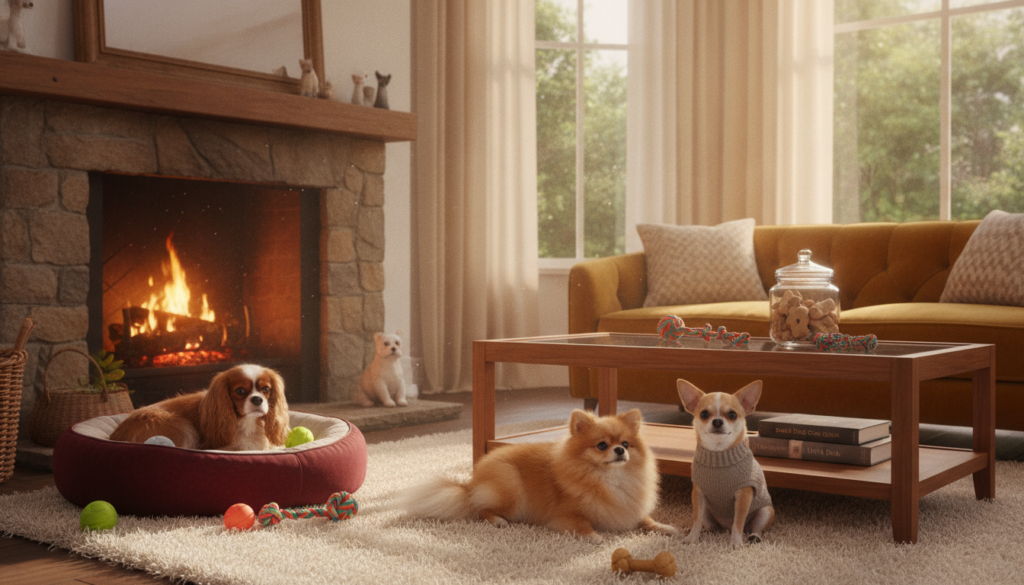
Do not assume a small body means low exercise needs. Your dog may need daily walks, play sessions, short training lessons, and puzzle toys. These activities help prevent boredom, barking, and restless behavior.
Maltese and Yorkshire Terriers need regular coat care to prevent tangles. Havanese dogs benefit from frequent brushing and gentle grooming. Pomeranians need coat maintenance, training, and close supervision during active play; plan for routine brushing, nail trims, and dental care.
- Use a secure harness instead of placing pressure on your dog’s neck.
- Protect your dog from cold weather with a sweater or coat when needed.
- Lift your pet with two hands to reduce the risk of falls or bone injuries.
- Brush the teeth often and schedule regular veterinary dental checks.
Small dogs can have fragile bones, especially when they jump from furniture or scramble down stairs. Block unsafe areas and use ramps where practical. Keep floors clear to reduce slips and falls.
Adorable puppies need calm, careful handling from every family member. Teach young children to sit quietly before touching a dog, and supervise each interaction. Give your pet a private resting space; gentle training and steady care help your dog feel secure at home.
Best Family Pets for Homes With Children
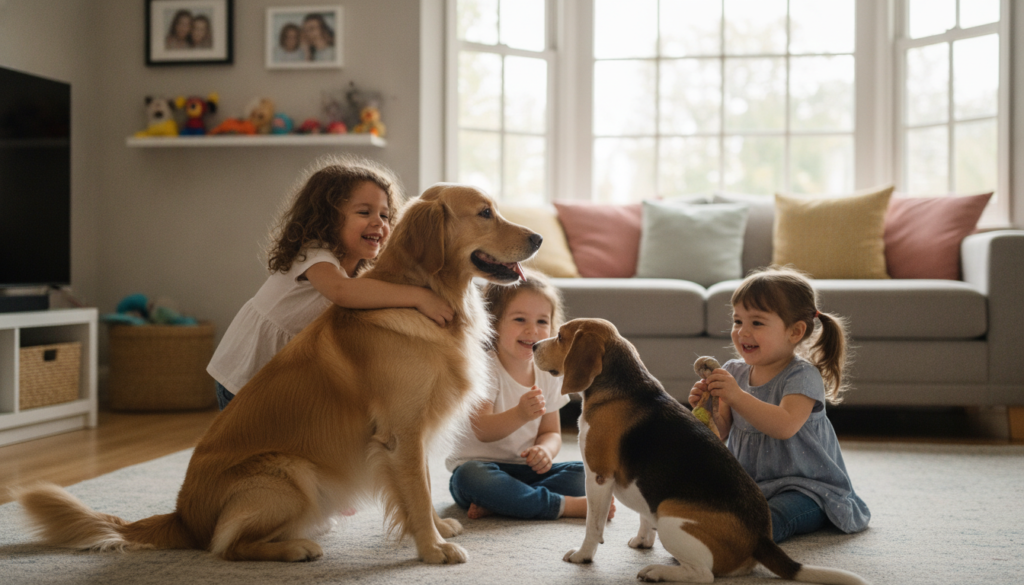
Choosing a dog for your family means more than choosing a cute face. The best family pets fit your children’s ages, daily routine, and ability to provide care. Labrador Retrievers, Golden Retrievers, Beagles, Collies, and well-socialized mixed-breed dogs may suit many homes.
Popular pet breeds may have friendly traits, but no breed is automatically safe for every child or home. Meet each dog individually, and consider its history, health, energy level, and behavior around children.
Friendly Breeds Known for Patience and Playfulness
Labrador Retrievers and Golden Retrievers often enjoy play, training, and family activities. Beagles may bring energy and curiosity to an active home. Collies are known for attentiveness and may respond well to clear, gentle training.
A well-socialized mixed-breed dog can be a good choice when its temperament fits your family. Look for a dog that stays calm around normal household sounds and accepts kind handling. Your local shelter or rescue group may help you find a suitable match.
Important Safety and Supervision Tips
An adult should provide constant supervision when children and dogs share space. Teach children not to pull ears, climb on a dog, chase it, or disturb it while it eats or sleeps. They should ask before touching a dog’s food, toys, bed, or body.
Give your dog a private retreat with a bed, water, and a baby gate or quiet room. Watch for stiff posture, tucked ears, lip licking, yawning, growling, or avoidance. These signs mean your dog needs space, not punishment.
How to Introduce a Dog to Your Family
Begin with a calm meeting in a quiet area. Let the dog approach at its own pace, and keep greetings gentle and brief. Avoid crowded rooms, loud voices, and sudden hugs during the first visit.
Build a gradual routine for meals, walks, rest, and play. Monitor every interaction during the first days and weeks. With patient guidance, respectful handling, and steady supervision, popular pet breeds and mixed-breed dogs can adjust more comfortably to family life.
Adorable Puppies and What to Expect as They Grow

Adorable puppies grow quickly during their first year. Their bodies grow, baby teeth fall out, and their energy needs increase. A small pup may become a larger adult with new exercise, food, and grooming needs.
Behavior changes with age, too. Your puppy may sleep often at first, then need more play and mental activity. Plan for food, training, veterinary care, supplies, grooming, and possible repairs as your dog matures.
These costs can vary by breed, size, and health needs.
Choosing a Healthy Puppy From a Responsible Source
Meet the breeder in person when possible. A responsible breeder lets you see the puppies’ home and meet their mother. The area should be clean, safe, and calm.
Reputable shelters should share medical records and answer questions about each dog’s history.
- Review vaccination dates, deworming records, parasite control, and veterinary notes.
- Ask which vaccines your puppy needs next and when to schedule a wellness exam.
- Request health testing for the parents when tests apply to the breed.
- Look for clear contracts, honest communication, and a return policy.
Be cautious if a seller rushes you, refuses a visit, or offers several breeds at once. A healthy puppy should have clear eyes, a clean coat, steady movement, and a bright response to people. Your veterinarian can assess the puppy soon after adoption.
Puppy Training and Socialization Essentials
Start with gentle, age-appropriate lessons. Take your puppy out for regular potty breaks, praise success, and clean accidents with enzyme cleaner. Crate training can support house training when the crate feels safe and comfortable.
Puppies often need 18 to 20 hours of sleep each day. Teach bite inhibition through calm play. Stop play when teeth touch skin, then offer a safe chew toy.
Provide toys that can handle growing jaws.
Safe socialization helps your puppy gain confidence. Introduce friendly people, healthy vaccinated dogs, household sounds, car rides, surfaces, and gentle handling at a comfortable pace. Avoid crowded or dirty areas until your veterinarian says public outings are safe.
The cutest dog breeds still need patient training to become polite adult pets.
Preparing Your Home for a New Puppy
Use gates to limit access and remove cords, medicines, small objects, toxic plants, and unsafe foods. Create a quiet sleeping space with a crate, washable bedding, water, and safe chews. Keep shoes, remotes, and children’s toys out of reach.
Expect chewing, accidents, and changing exercise needs. Young puppies need short play sessions, while adult dogs may need longer walks or structured activity. With steady routines, adorable puppies can become confident companions that fit your home and daily life.
Popular Pet Breeds With Lovable Furry Friend Personalities
Each dog brings a different pace, skill set, and care routine to your home. These popular pet breeds suit many families, but each needs daily attention, training, and companionship.
Labrador Retriever for an Outgoing Household
A Labrador Retriever suits an active home that enjoys outdoor time. Your Lab may need long walks, fetch, swimming, and regular family interaction. Without enough activity, this social breed may chew, jump, or seek unwanted attention.
Use short training sessions and provide safe toys for your dog to enjoy alone. A steady routine helps your Labrador stay calm between adventures.
Poodle for Intelligence and Low-Shedding Coats
Poodles are bright, alert, and eager to learn. Keep them engaged with puzzle toys, trick training, scent work, and new commands. Their low-shedding coat may reduce loose hair, but it does not make care-free living possible.
Plan regular brushing and professional grooming. A neglected coat can mat, pull at the skin, and cause discomfort. Clear rules and mental challenges help your Poodle make good choices.
Beagle for an Energetic and Curious Family
Beagles love following scents, exploring, and joining family activities. Scent games can turn their strong nose into a useful outlet. Use treat trails, food puzzles, and supervised searches to keep your Beagle busy.
Secure fences and doors matter because a Beagle may follow an interesting smell. Patient training works best with rewards and repetition. These lovable furry friends may develop unwanted habits without enrichment, structure, and close companionship.
Beautiful Canines With Distinctive Looks and Temperaments
Distinctive markings and expressive faces make beautiful canines hard to resist. Yet photos reveal little about daily care, energy, or behavior. Before choosing, learn the breed’s purpose and decide whether it fits your home.
The Australian Shepherd has a bright mind, thick coat, and strong herding instincts. Provide daily exercise, training, and mental games. Without enough activity, it may become restless or herd people and pets.
The Siberian Husky stands out with a dense coat and vivid eyes. It needs regular exercise and may be loud, independent, and skilled at escaping. Its heavy coat suits cold weather, but hot climates require shade, water, and careful outdoor planning.
The Dachshund has a long back, short legs, and a bold personality. It may bark often and make its own choices without steady training. Use ramps instead of stairs when possible because back problems seriously threaten this breed.
The Bichon Frise has a soft, cheerful look and friendly nature. Its coat needs frequent brushing and professional grooming to prevent mats. This small dog often suits families and apartments with gentle training and daily play.
The Bernese Mountain Dog is calm, affectionate, and large. It enjoys moderate walks and family time, but its heavy coat needs care and feels uncomfortable in heat. Ask breeders about inherited health risks, including joint disease and cancer.
These charming dog breeds can suit very different households. Look beyond appearance and consider vocal habits, grooming time, climate tolerance, exercise needs, and family routines. Meet the individual dog when possible, since personality can vary within every breed.
How to Match Top Dog Breeds With Your Lifestyle
Let your daily routine guide your dog choice. Consider your activity level, home size, free time, budget, and grooming comfort. The top dog breeds for one home may not suit another.
Best Breeds for Active Owners
If you enjoy hiking, running, or long walks, choose a dog needing regular physical and mental activity. Labrador Retrievers, Standard Poodles, Border Collies, and Australian Shepherds may suit active homes.
These dogs need more than a short walk. Plan daily exercise, training games, and safe ways to explore. A busy schedule may cause boredom and unwanted behavior, so match the dog’s needs to your available time.
Best Breeds for First-Time Dog Parents
New owners often need a friendly dog with a steady nature and a desire to learn. Havanese, Poodles, and Cavalier King Charles Spaniels can suit people seeking an engaging companion.
Before choosing, review training needs, coat care, health risks, and adult size. Your local veterinarian and a trusted breeder or rescue group can help you compare breeds carefully.
Best Breeds for Seniors and Quiet Households
Quiet homes may suit dogs with moderate exercise needs and calm temperaments. Consider manageable size, companionship, grooming needs, and access to veterinary care.
- Choose a dog you can safely walk and lift when needed.
- Ask about energy level and daily care before adoption.
- Plan for routine grooming, medication, and checkups.
Small and medium dogs can be among the best family pets when their needs fit your home. Meet the dog in person and discuss its history before choosing.
How to Make Your Home Comfortable for a New Dog
Before your dog arrives, prepare a calm space with clear rules. A thoughtful setup helps your new companion feel safe and adjust to daily life.
Create a Safe Sleeping and Relaxation Area
Choose a quiet spot away from busy walkways. Add a comfortable bed, crate, or pen where your dog can rest undisturbed. Keep fresh water nearby, especially in warm weather.
small breed dogs may prefer a cozy bed with low sides for easy access. Let your dog retreat there for naps, meals, or busy moments. Never use this area as punishment.
Stock Up on Food, Toys, Grooming Tools, and Supplies
Ask your veterinarian to recommend food for your dog’s age, size, health, and activity level. Buy a properly fitted collar, identification tag, leash, and waste bags before the first walk.
- Enrichment toys that suit your dog’s size and chewing style
- A brush, nail trimmer, shampoo, and dental care supplies
- Food and water bowls that are easy to clean
- Pet-safe cleaning products for accidents and muddy paws
Choose toys made for small breed dogs when needed. The right size lowers choking risk and makes play more comfortable for your lovable furry friends.
Remove Household Hazards Before Your Dog Arrives
Secure electrical cords, medications, chemicals, and small objects. Close loose windows and block narrow gaps where a curious dog could get trapped.
Keep toxic foods, such as chocolate, grapes, raisins, onions, and xylitol, out of reach. Remove lilies, sago palms, azaleas, and other harmful plants from indoor and outdoor areas.
Walk through each room at your dog’s eye level. This simple check can reveal hazards that your lovable furry friends might find.
Everyday Care Tips for Happy and Healthy Dogs
Daily care feels easier when your dog knows what comes next. A steady routine supports health, calm behavior, and a strong bond. This helps every dog, from small companions to active popular pet breeds.
Build a Consistent Feeding and Exercise Schedule
Serve meals at about the same times each day. Follow your veterinarian’s advice about portions, food types, and treats. Keep fresh water available at all times.
Plan regular bathroom breaks, walks, and play sessions. Match activity to your dog’s age, size, health, and energy level. Gentle games and short walks help older dogs stay mobile without strain.
Schedule quiet time after meals and active play. Rest helps your dog recover and feel safe. A steady schedule can lower stress and support daily training.
Keep Up With Veterinary Visits and Preventive Care
Schedule routine veterinary examinations, even when your dog seems healthy. Your veterinarian can track weight, check the heart and joints, update vaccinations, and suggest parasite prevention.
Brush your dog’s teeth as directed. Arrange professional dental care when needed. Regular grooming can uncover skin problems, lumps, sore areas, or ear concerns early.
Watch for changes in appetite, thirst, energy, movement, sleep, or behavior. Contact your veterinary clinic promptly if a change lasts, worsens, or seems severe. Early care supports beautiful canines throughout their lives.
Use Positive Reinforcement to Encourage Good Behavior
Reward the behavior you want to see. Small treats, warm praise, a favorite toy, or brief play can teach good choices.
Keep commands clear and practice in short sessions. Reward calm greetings, gentle handling, reliable bathroom habits, and focus during walks. End each session with an easy task your dog can complete.
Punishment can cause fear and weaken trust. Patient guidance gives the cutest dog breeds a safer way to learn. Consistent rewards, clear routines, and kindness support confident behavior at home and in public.
Conclusion
Choosing among the cutest dog breeds is only the first step. The best match fits your home and routine, including the dog’s size, temperament, energy, grooming needs, and health concerns.
Compare trusted breed information with shelter and rescue options. Meeting individual dogs may reveal traits that breed descriptions miss. When considering adorable puppies, seek healthy behavior and guidance from a qualified veterinary professional.
Plan for your dog’s full life, from early training and socialization through preventive care, exercise, nutrition, and senior support. This helps you choose among the best family pets with care and confidence.
Thoughtful preparation creates a safer home and a stronger bond. When your choice suits your household, your new companion has the best chance to thrive.