
Peru Dog Breeds Guide Traits History and Care Tips.
Explore peru dog breeds, including the Peruvian Inca Orchid and Peruvian Hairless Dog, with practical guidance on history, traits, grooming, and care.
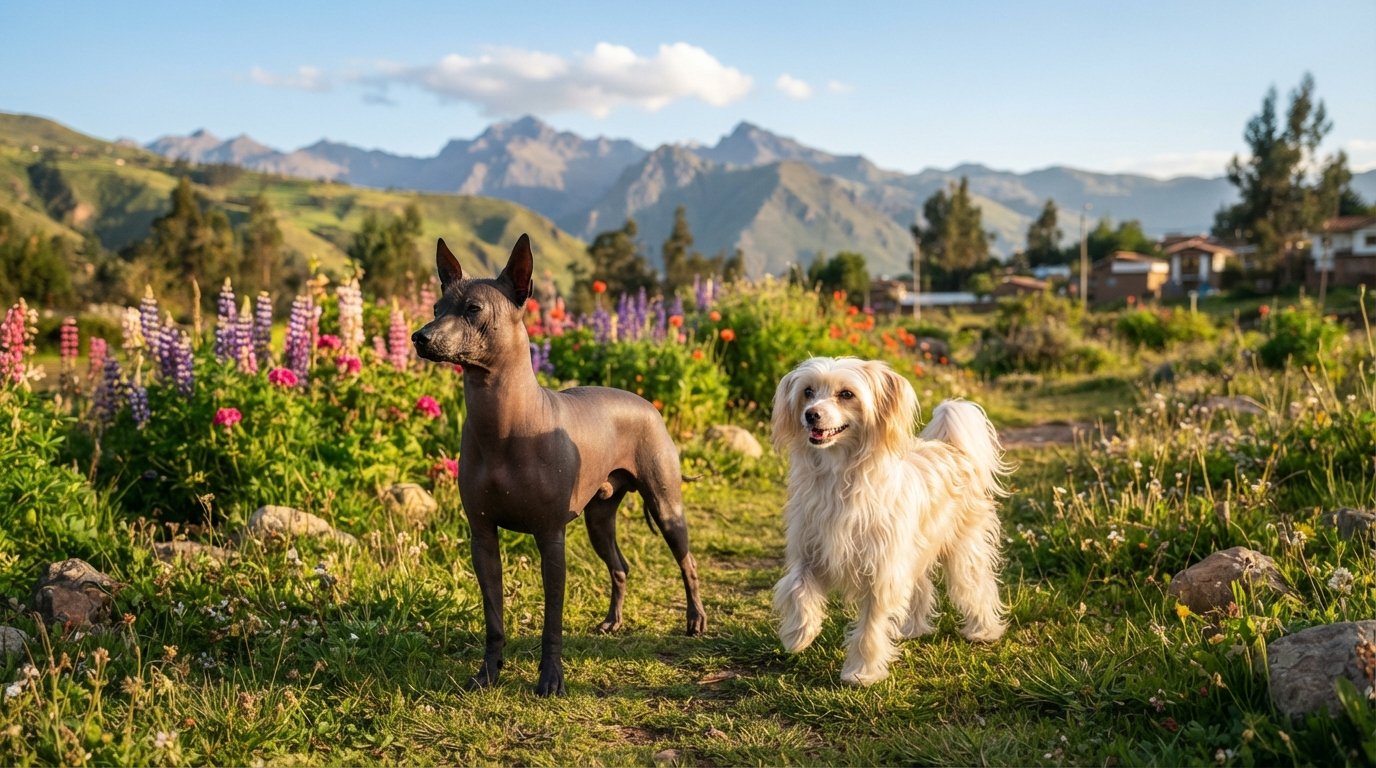
A dog’s quiet presence can make an unfamiliar place feel like home. For peru dog breeds, start with the Peruvian Hairless Dog also called the Peruvian Inca Orchid.
This guide explores the history, appearance, and temperament of peruvian dog breeds. It offers advice on care, training, and finding a dog responsibly. It also compares recognized native dog breeds from peru with local mixed-breed dogs and international breeds raised there.
Peru Dog Breeds: An Overview of Native and Traditional Dogs
When exploring peru native dog breeds, separate a breed’s local presence from its formal development. A recognized breed has a written standard and records supporting its history. A dog can live in Peru for generations without meeting those standards.
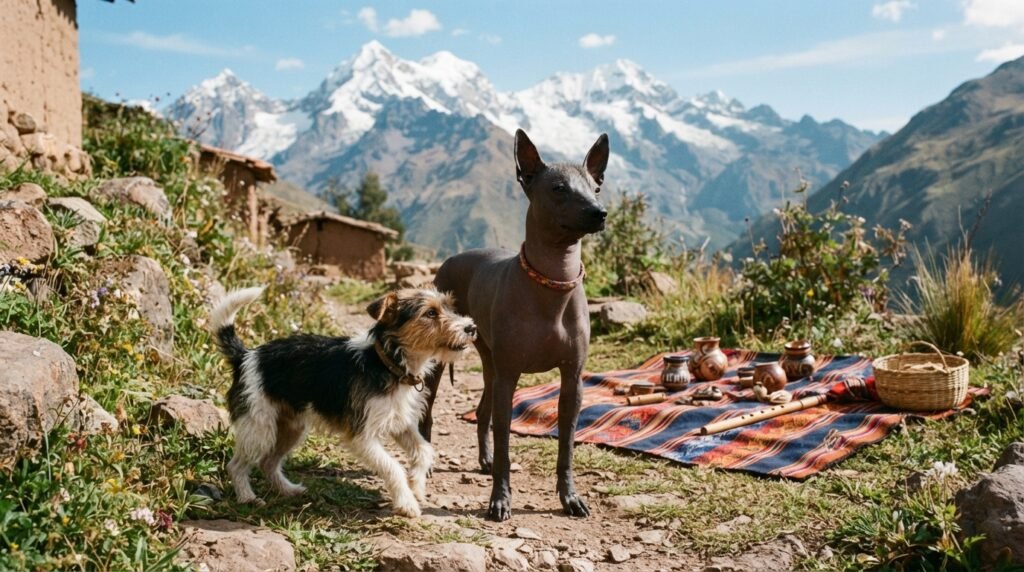
What makes a dog breed native to Peru?
A native breed has a documented link to Peru and traits passed through a breeding population. Kennel organizations may grant formal recognition after reviewing records and breed standards. A long local history matters, but it does not prove every claim about a breed’s origins.
Recognized and lesser-known Peruvian dog breeds
The Peruvian Hairless Dog, known in the United States as the Peruvian Inca Orchid, is Peru’s recognized native breed. Other traditional dog breeds peru include local dogs and regional landraces tied closely to communities. These dogs may have distinct traits, but they are not always standardized breeds or formally recognized by kennel clubs.
When reading claims about lesser-known dogs, look for reliable records. Oral accounts can add context, but undocumented details remain hard to verify.
Peruvian Hairless Dog: History and Origins
The Peruvian Hairless Dog holds a lasting place in Peru’s cultural story. Images of hairless dogs appear in pre-Columbian art, showing how people lived alongside dogs in ancient Peru.
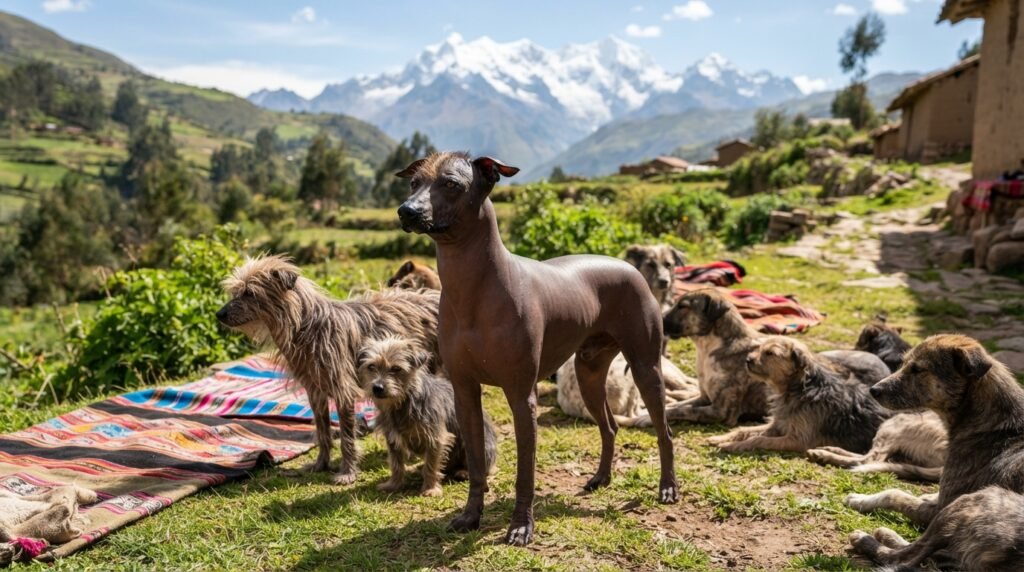
Ancient roots in Peruvian cultures
Moche pottery and other archaeological works show dogs with hairless bodies and upright ears. These images link dogs to daily life and artistic traditions. They add context to ancient dog breeds peru, but art alone cannot prove an unbroken line to the modern breed.
Across generations, dogs became part of Peru’s living heritage. Today, the Peruvian Hairless Dog is among the indigenous dog breeds peru, linked to the country’s ancient cultures.
Recognition as Peru’s national dog
Peru recognizes the Peruvian Hairless Dog as its national dog and part of its cultural heritage. This status honors the breed’s distinct identity and place in the nation’s history. Archaeological images offer context, while the modern breed remains a living symbol of Peru.
Peruvian Hairless Dog Traits and Appearance
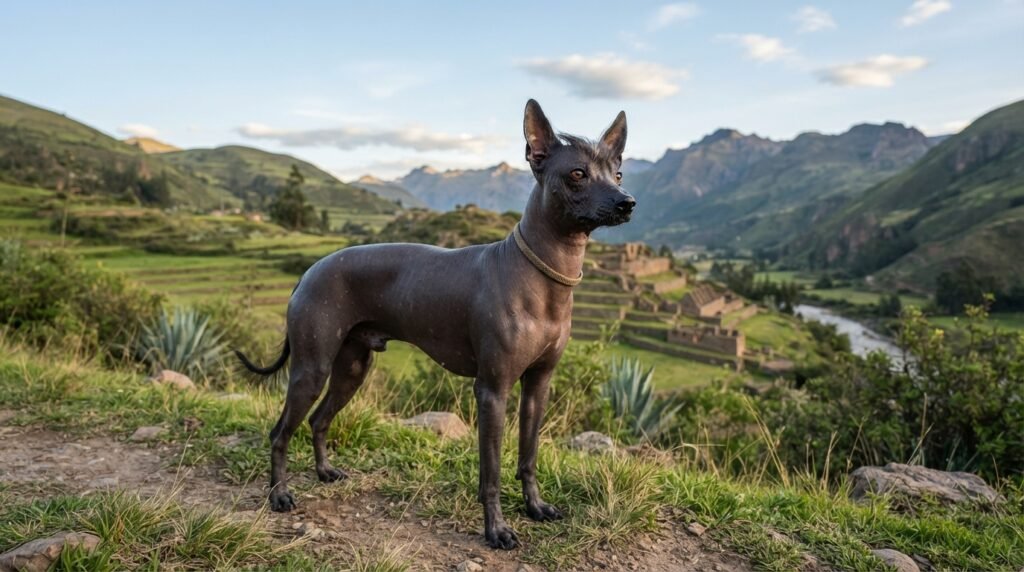
The Peruvian Hairless Dog stands out with bare skin and a graceful build. Small, medium, and large dogs exist, so size affects your companion’s space and exercise needs. These traits make it distinct among peruvian dog breeds.
Size, coat, and common colors
Most have little or no body hair, but some dogs have coats. Exposed skin may be pink, brown, dark, or spotted. Sun protection and gentle skin care can help a hairless dog stay comfortable.
Temperament and personality
Many peru dog breeds are alert and affectionate with people they know. They may be wary of strangers, so calm introductions can help them feel safe. Temperament varies by dog, early experiences, and training, but each dog has its own character.
Other Dogs Associated With Peru
Peru’s canine heritage includes more than dogs with formal breed labels. As you explore dog breeds from peru, separate breed traits from local history and appearance.
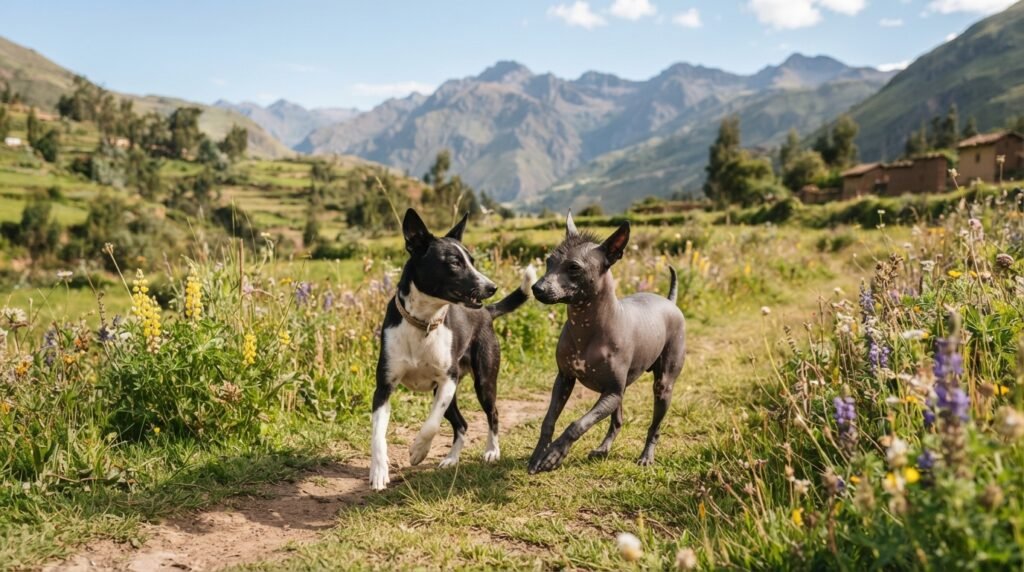
Hairless and Coated Varieties
The Peruvian Hairless Dog may be hairless or coated. A coated dog is not automatically a separate breed.
Hairlessness alone does not prove Peruvian origin, so check reliable records to confirm a dog’s background.
Local Dogs and Regional Landraces
The term traditional dog breeds peru can describe local dogs shaped by community life, climate, and daily work. These regional landraces may lack formal breed standards.
When you meet a locally sourced dog, ask about its history instead of assuming it is a recognized Peruvian breed.
Ancient Dog Breeds Peru Is Known For
To study ancient dog breeds Peru once had, researchers examine pottery, textiles, and other archaeological finds. These objects show dogs in daily and ceremonial life, but they cannot always identify a modern breed.
Dogs depicted in archaeological art
Moche artists shaped ceramic vessels with dog figures or painted dogs on their surfaces. The images show varied bodies, ears, and muzzles. These details help you picture past dogs, but they do not prove a modern breed had the same form.
These artifacts offer stronger evidence than later legends or unverified breed-origin stories. When reading about indigenous dog breeds Peru once had, treat ancient art as a record of cultural life, not a direct breed catalog.
How historical roles shaped breed traits
Dogs may have been companions, and some may have helped with tasks around homes or settlements. Art alone cannot confirm every role. It can suggest people valued dogs enough to include them in objects and images.
Traits such as alertness, closeness to people, and adaptability may appeal to owners today. Still, do not assume these qualities passed unchanged from ancient dogs to living breeds. The story of ancient dog breeds in Peru rests on evidence that calls for care, not certainty.
Popular Dog Breeds in Peru Today
Peru’s dog-owning households include native dogs, local mixed breeds, and breeds from around the world. The Peruvian Hairless Dog has strong cultural ties and national recognition, but it may not be the most common home choice. Reliable data on popular dog breeds in Peru remains limited, making national rankings difficult.
Native breeds compared with international favorites
The Peruvian Hairless Dog stands out because of its deep roots in Peru’s history. Across Peru, you may see mixed-breed companions and international breeds, including Poodles, Labradors, and German Shepherds. These examples show variety, not a verified popularity order, while Peru dog breeds reflect local traditions and changing household needs.
Factors that influence breed popularity
Where you live can affect which dogs fit your daily life. In cities, smaller dogs may fit apartments more easily, while housing rules can limit your choices.
Access to veterinary care, grooming, and outdoor space can matter, too. Family preferences and dogs available through shelters or responsible breeders shape what people bring home.
Rare Dog Breeds in Peru and Conservation Efforts
A breed can hold deep meaning at home yet remain unfamiliar abroad. The Peruvian Hairless Dog has strong ties to Peru’s past.
Limited breeding populations and low international exposure can make it hard to find in the United States. Poor records can also make health and family lines harder to track across generations.
Why some traditional breeds are uncommon
Some communities value traditional dog breeds peru, which are known mainly in specific regions. Few breeders may keep records, and dogs may use local names instead of one breed standard.
This can limit recognition without making a dog less worthy of care or study.
Supporting responsible preservation
If you want to support rare dog breeds peru, look beyond appearance or scarcity. Choose breeders who screen for health concerns, share clear records, and protect genetic diversity.
Reputable rescue groups and breed organizations can teach you about responsible placement. Accurate education and careful veterinary care support these dogs without treating rarity as a selling point.
Choosing Among Peru Native Dog Breeds
A Peruvian Hairless Dog may suit your home if you can meet its daily needs. It needs company, skin care, and a steady indoor temperature. When choosing among Peru native dog breeds, look beyond appearance and breed history.
Match a dog’s needs to your lifestyle
Consider the dog’s age, health, and behavior. Ask how much time you can give to walks, play, and company. These needs vary among peruvian dog breeds and between individual dogs.
Think about sun protection and cold weather, too. A hairless dog may need sunscreen outdoors and warm clothing on chilly days. Make sure you can provide regular skin care and a comfortable place to rest.
Questions to ask a breeder or rescue
Ask for health records and details about temperament, socialization, and parentage, if known. Find out how the dog reacts to children, other pets, visitors, and common household sounds. Ask about the return policy and what support is available after adoption.
Peruvian Dog Breed Care Tips
Care needs differ among peruvian dog breeds. Match your routine to your dog’s skin, coat, age, and health. Hairless dogs need extra care, while coated dogs need grooming for their coat type.
Skin protection, bathing, and grooming
Bathe a hairless dog gently when needed with a mild product approved by your veterinarian. Check the skin for redness, sores, or irritation. Ask your veterinarian about pet-safe sunscreen when sun exposure is likely.
Hairless dogs can feel cold, so use a well-fitting coat in chilly weather.
Coated dog breeds from Peru need regular brushing to prevent tangles and remove loose hair. Adjust grooming to your dog’s coat and skin.
Nutrition, exercise, and routine veterinary care
Choose complete, balanced food that suits your dog’s age and health. Offer daily activity, fresh water, and regular dental care.
Keep up with parasite prevention and routine veterinary visits. Your veterinarian can guide you on skin, dental health, and other needs specific to your dog.
Training and Living With a Dog From Peru
Whether you bring home a Peruvian Hairless Dog or another dog from Peru, steady care helps your pet feel safe. Learn your dog’s pace, reward calm behavior, and build daily habits that strengthen trust.
Socialization and Positive-Reinforcement Training
Introduce your dog to people, animals, sounds, and new places through calm, brief steps. Use treats, praise, and play to reward good behavior. Never force an interaction.
Some indigenous dog breeds peru may feel cautious in unfamiliar settings. Give your dog time to adjust, and keep training sessions short and steady. A patient routine can build confidence.
Home Comfort and Climate Considerations
Offer a comfortable indoor resting spot, and supervise your dog in a secure outdoor area. Protect your pet from strong sun and cold, especially when its coat offers little coverage.
Match exercise to your dog’s age and health, and adjust walks during hot or cold weather. These needs also matter for popular dog breeds peru.
Conclusion
Peru’s recognized native breed is the Peruvian Hairless Dog, known for its distinctive appearance and long history. The group of peru native dog breeds includes local dogs shaped by regional life, though some lack formal breed recognition.
When exploring peru dog breeds, look beyond history and appearance. Consider each dog’s health, temperament, exercise needs, and daily care. Hairless dogs may need extra skin protection and grooming.
If considering rare dog breeds peru is known for, verify breed information and choose a responsible breeder or rescue. Learn what the individual dog needs before bringing it home, so you can offer a safe, lasting fit.