
Low Shedding Dog Breeds Perfect for Allergy Sufferers.
Explore low shedding dog breeds, compare grooming needs and temperaments, and find a companion that may suit your allergies, lifestyle, and daily routine at home, too.
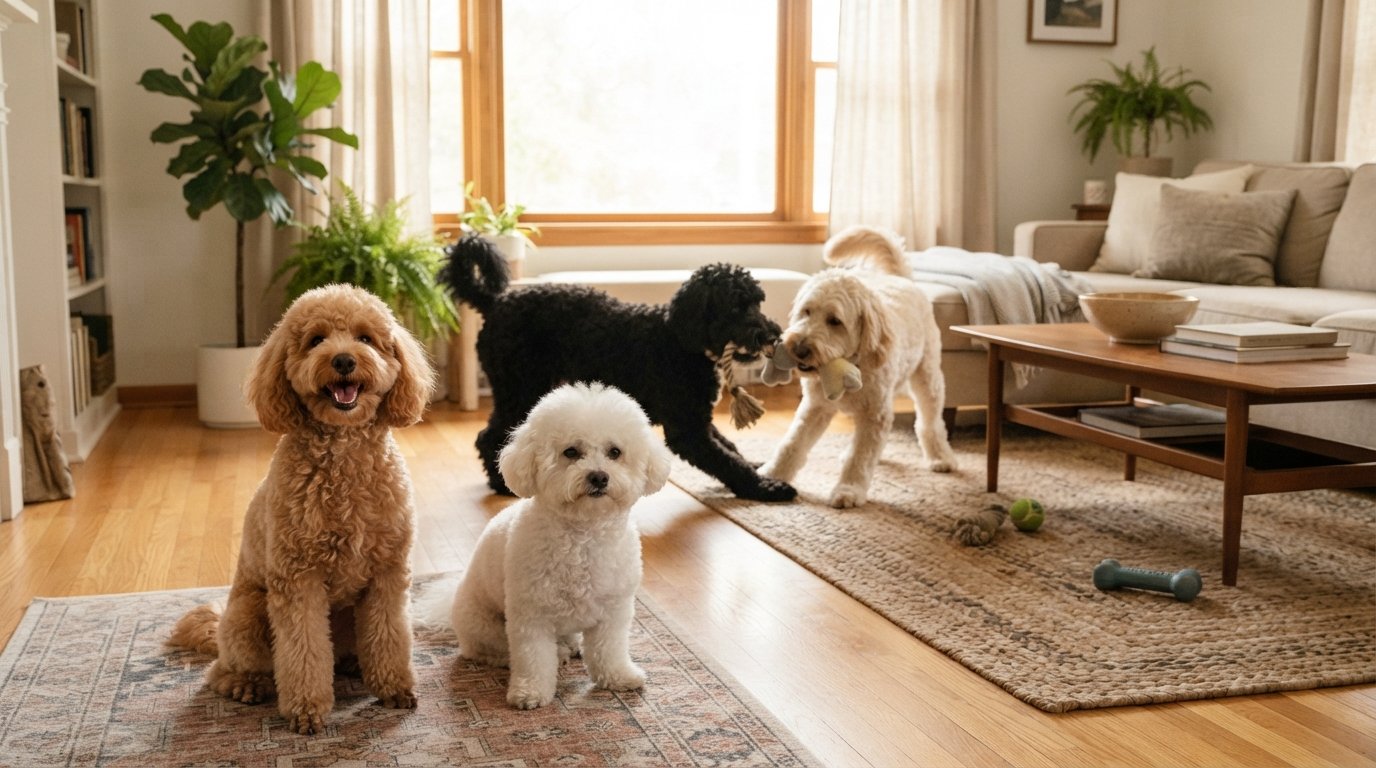
If you love dogs but fear sneezing, itchy eyes, or other allergy symptoms, choosing a pet can feel difficult. You deserve clear information before welcoming a dog into your home.
This guide compares low shedding dog breeds. It also explains what “hypoallergenic dogs” really means. Less shedding may reduce loose hair, but it does not guarantee fewer allergy symptoms.
You’ll learn about common allergy triggers, grooming needs, temperament, exercise, and the demands of daily life with a dog. If your allergy symptoms are significant, talk with a health care provider before bringing a dog home.
How Dog Allergies Work and What Causes Symptoms
Dog allergies begin when your immune system reacts to certain proteins. These proteins can come from a dog’s skin, saliva, or urine. Fur itself does not cause allergies, but it can carry allergens through your home.
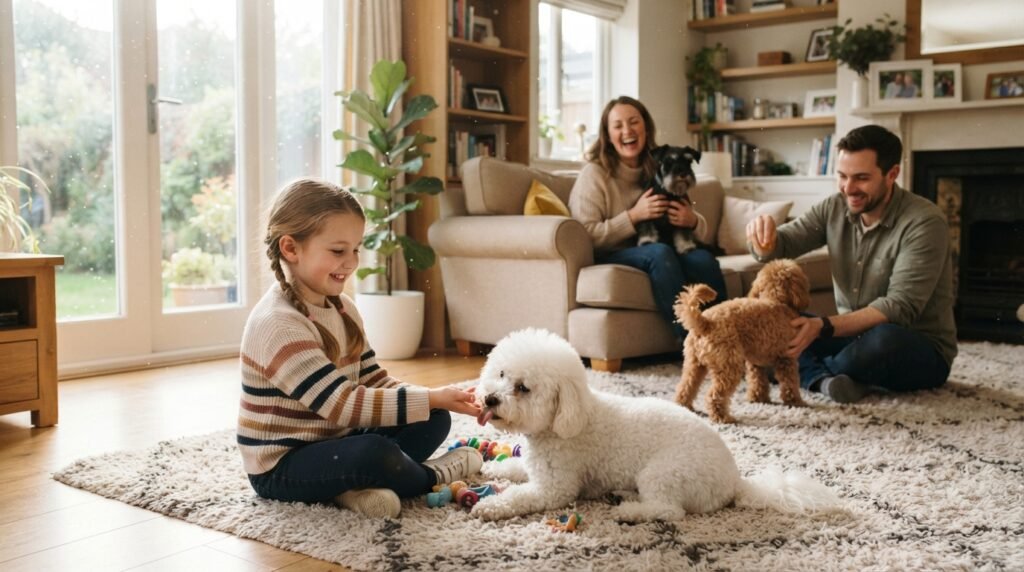
Why pet allergens come from more than fur
All dogs produce allergenic proteins, whatever their coat type. Dogs that don’t shed may release less loose fur, but their coats can still carry skin flakes and other allergens. These particles can settle on furniture, bedding, clothing, and other surfaces.
How dander, saliva, and urine can affect your allergies
Dander consists of tiny skin flakes. Saliva can spread when a dog licks its coat, and urine may leave allergens on surfaces. Contact or airborne particles can trigger sneezing, itchy or watery eyes, congestion, skin irritation, or asthma symptoms.
Your reaction depends on your sensitivity and allergen exposure. Labels such as hypoallergenic dog breeds cannot guarantee a symptom-free home, so your response to an individual dog may vary.
Can Low Shedding Dog Breeds Help With Allergies?
Some low shedding dog breeds leave less loose fur around your home, making cleanup easier. Yet shedding is only one part of the allergy picture. Your symptoms depend on the dog and your own sensitivity.
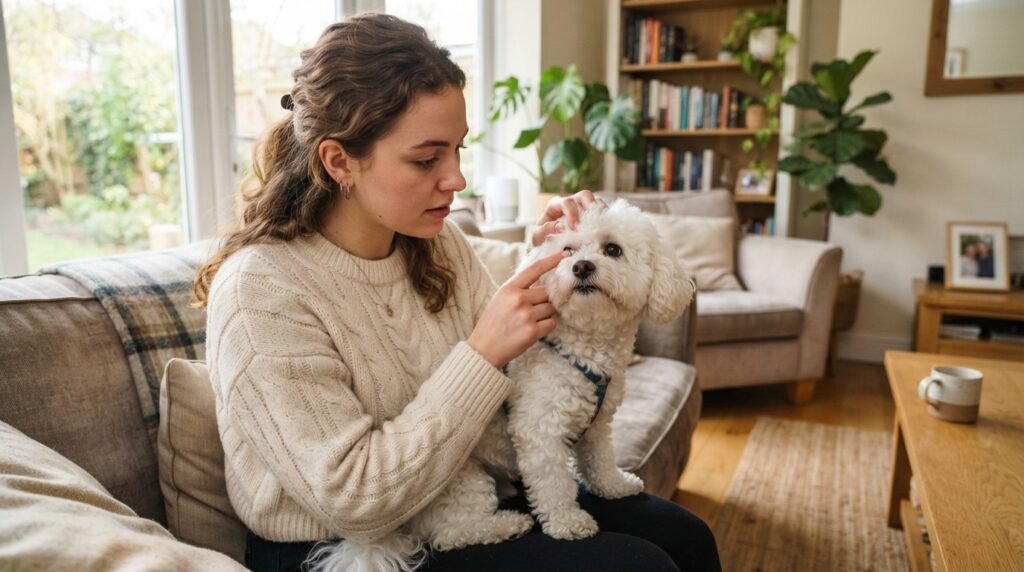
What reduced shedding may—and may not—mean for your symptoms
Low-shedding coats may keep loose fur from traveling far through a room. This can make daily cleaning easier, but it does not mean the dog makes fewer allergens. Dander, saliva, and urine contain proteins that can still trigger symptoms.
Even minimal shedding dogs can cause reactions. You may react to one dog but feel less affected by another dog of the same breed.
Why no dog breed is completely hypoallergenic
No dog breed, including hypoallergenic dogs, is proven to be completely hypoallergenic. Breed lists can help you plan, but they offer no medical guarantee.
Spend time with the specific dog and watch your response before adopting. Your health care provider can help you weigh allergy risks.
Best Low Shedding Dogs for Different Lifestyles
The best low shedding dogs for your home depend on more than coat type. Consider your routine, the dog’s energy, training needs, grooming, and time together.

Breeds for active households
Standard Poodles are athletic, smart, and highly trainable. They enjoy long walks, games, and tasks that keep their minds busy. Their curly coats need regular brushing and professional grooming.
Portuguese Water Dogs are strong, energetic companions that often thrive with swimming, hikes, and play. Soft Coated Wheaten Terriers bring a lively, friendly nature, though training and daily activity help them settle at home. Both breeds need steady coat care.
Breeds that may suit apartment living
Bichon Frises and Havanese are small, adaptable dogs suited to apartment life. Miniature Schnauzers are alert and trainable, with a little more energy. These low shedding dog breeds still need walks, play, and steady training in smaller spaces.
Consider barking, grooming, and how long your dog will stay alone. Check for safe walking areas nearby, and plan daily attention that fits the breed. A smaller home does not remove a dog’s need for exercise and company.
Low Shedding Small Dogs to Consider
Small dogs fit many homes, but coat care and personality vary by breed. Bichon Frise, Havanese, Maltese, Yorkshire Terrier, and Miniature Schnauzer are low shedding small dogs.
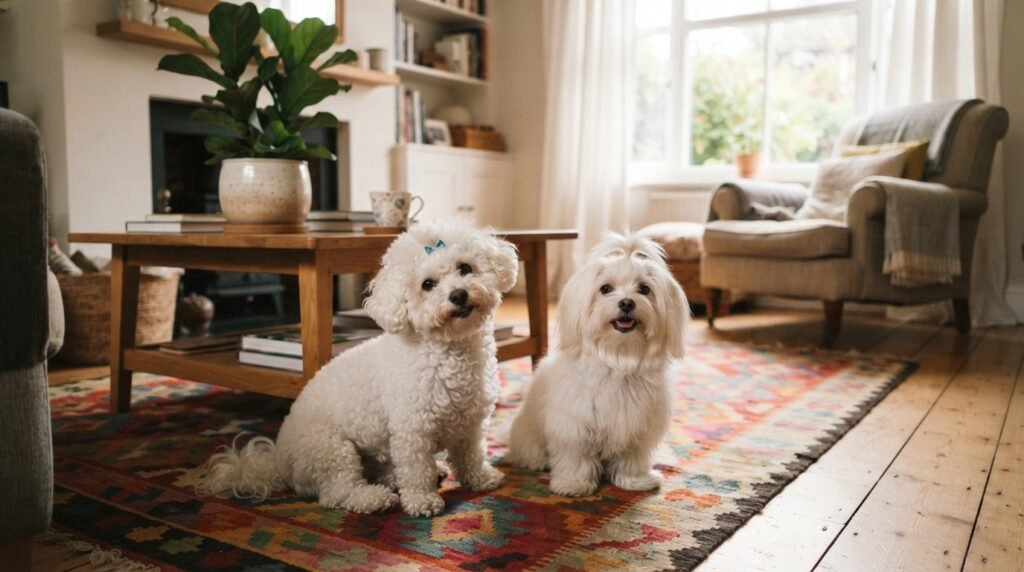
Small breeds with coats that shed less
These breeds may leave less loose hair around your home. No dog is truly shed-free, so non-shedding dog breeds can be misleading.
A Bichon Frise or Havanese needs frequent brushing and regular professional clipping. Maltese and Yorkshire Terriers may need daily brushing and trims to prevent mats. Miniature Schnauzers also need routine brushing and clipping.
Care needs to consider before choosing a small dog
Think about temperament and exercise needs, not just coat type. These dogs may enjoy walks, play, and training, while early socialization can help them relax around people and other pets.
Small dogs can be delicate, so they may not suit homes where children handle pets roughly. Dental care also matters; regular brushing and veterinary checks can help protect your dog’s teeth.
Low Shedding Medium and Large Dog Breeds
Several low shedding dog breeds come in medium or large sizes. A Standard Poodle is athletic and often weighs 40 to 70 pounds. Portuguese Water Dogs are sturdy, energetic companions.
Giant Schnauzers are powerful working dogs. Soft Coated Wheaten Terriers are medium-sized and playful.
These minimal shedding dogs can suit different homes, but their needs vary. Poodles, Portuguese Water Dogs, and Giant Schnauzers need regular exercise and consistent training. Wheatens enjoy daily walks and play, too.
Each breed has a coat that can grow or mat without frequent brushing and scheduled grooming.
Before choosing, consider the time and cost of coat care, daily activity, and training. A dog may shed less yet still need regular grooming appointments and plenty of attention.
How to Choose the Right low shedding dog breeds for Your Home
Shedding is only one factor when choosing among low shedding dog breeds. Compare each breed’s temperament, energy, trainability, grooming needs, and care costs. Breed traits can help, but every dog is an individual.
Compare temperament, exercise needs, and grooming requirements
Think about how much activity you can provide daily, plus time for training and coat care. Some low shedding dog breeds need regular brushing, haircuts, or professional grooming. Low shedding does not always mean low maintenance.
Grooming frequency and cost vary by coat and location. Ask breeders or shelter staff about a specific dog’s care needs before you commit.
Consider your household, space, and daily schedule
Consider allergies, children, other pets, and the indoor and outdoor space your dog will use. Seek a good match for your routine, work hours, and the time your dog may spend alone.
A lively dog may need more exercise and company than you can provide. Choose low maintenance dogs based on your real schedule, not an ideal one.
Grooming and Cleaning Tips to Manage Pet Allergens
Regular coat care can reduce loose hair and debris at home, but it cannot remove every pet allergen. Even hypoallergenic dogs can spread allergens through skin flakes and saliva, so cleaning remains important.
Brush and Bathe Your Dog Appropriately
Brush your dog according to its coat type and grooming needs. When possible, ask someone without allergies to brush your dog. Dogs that don’t shed still need grooming because their fur can hold dust and debris.
Follow your veterinarian’s or groomer’s bathing advice. Too many baths can dry or irritate your dog’s skin and may increase skin flakes.
Keep Sleeping Areas and Fabrics Clean
Keep your dog out of your bedroom to limit allergens near your sleeping area. Wash bedding and other washable fabrics often, and vacuum with a HEPA-filter vacuum. A portable HEPA air purifier may help reduce airborne particles.
These steps can lower your exposure, but they cannot guarantee relief from allergy symptoms.
Are Low Shedding Dogs Also Low Maintenance?
Less loose fur makes cleanup easier, but it does not reduce care. Many low maintenance dogs still need regular grooming, daily activity, and steady attention.
Understand the time and cost of coat care
Some non-shedding dog breeds need frequent brushing to prevent mats. Many also need haircuts from a professional groomer, which adds time and cost. Include grooming tools or appointments in your budget, along with food and other supplies.
Coat care can change with age, health, and coat condition. Ask about the dog’s needs before adoption instead of trusting a breed label alone.
Plan for exercise, training, and routine veterinary care
Every dog needs exercise, training, preventive care, and routine veterinary visits. The right schedule depends on your dog’s health, age, and temperament. Include these tasks in your plans for low maintenance dogs.
Estimate the time and cost before adoption. Choosing a dog only because it sheds less may leave you unprepared for other needs.
How to Spend Time With a Dog Before You Adopt
Spending time with a dog you may adopt can help you choose wisely. Even among hypoallergenic dog breeds, your reaction may differ from one dog to another.
Test your response around the specific dog
If possible, arrange more than one visit. Spend enough time with the dog to notice symptoms, and meet in different settings. A short visit cannot predict your home reaction; allergen levels differ between a shelter and the dog’s usual home.
Talk with breeders, shelters, and your health care provider
Ask responsible breeders or shelter staff about the dog’s health, coat care, history, and behavior. These details can help you plan daily care and future needs. The best low shedding dogs still affect people with allergies in different ways.
Ask an allergist or another health care provider about allergy testing, symptom care, and whether living with a dog is safe for you.
Conclusion
Low shedding dog breeds can leave less loose hair around your home, but they cannot promise an allergy-free space. No dog is fully hypoallergenic, and symptoms can differ among hypoallergenic dogs.
Before choosing a dog, consider your reaction, its temperament and exercise needs, and whether its care fits your routine. Low shedding small dogs may fit some homes, but every dog needs regular grooming and veterinary care.
Spend time with a dog before committing, and talk with your health care provider if allergies concern you. These steps can help you choose thoughtfully for yourself and your future pet.