
Top Livestock Guardian Dog Breeds to Keep Animals Safe.
Compare livestock guardian dog breeds, learn how their size and temperament fit your farm, and choose a dependable dog to protect your animals effectively.
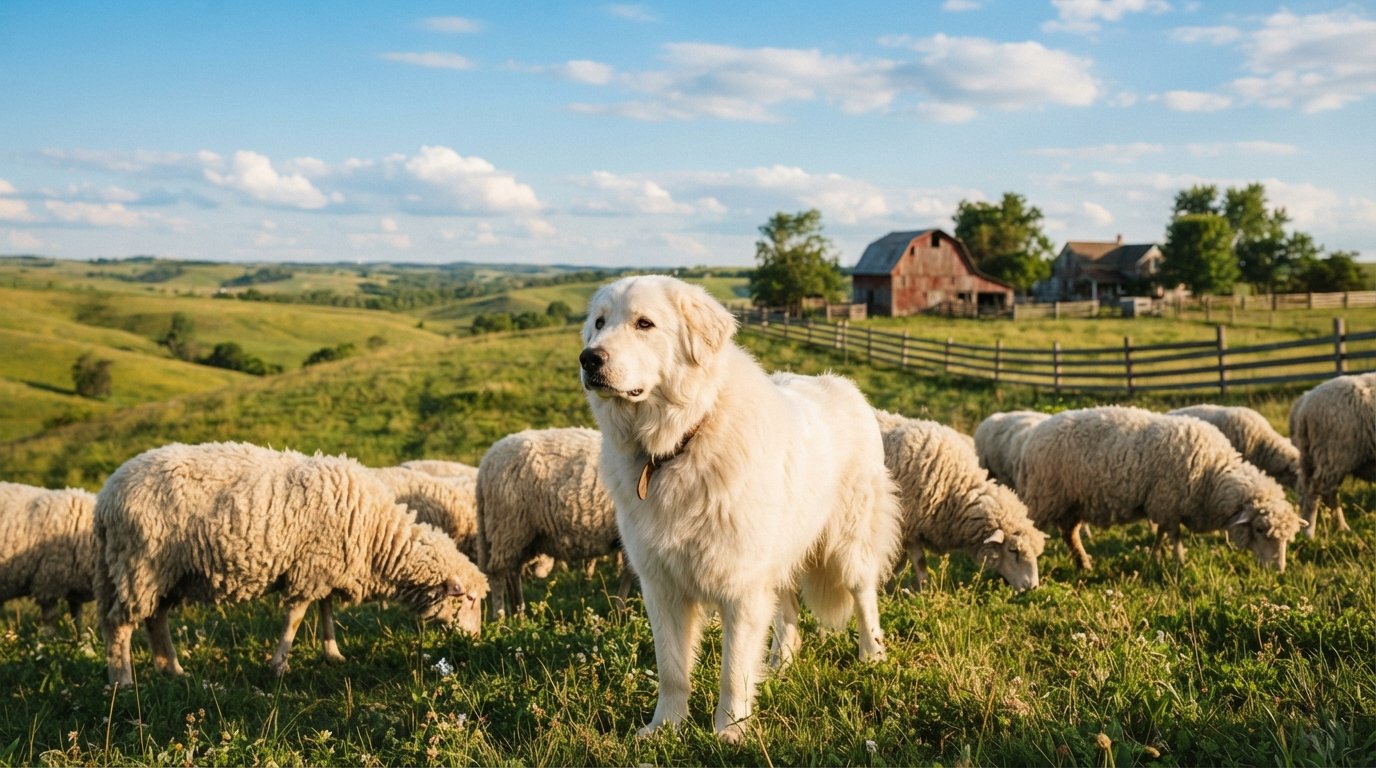
When a fence breaks or a predator nears the barn, protecting your animals becomes personal. The best livestock guardian dogs can protect flocks or herds, but breed alone should not guide your choice.
This guide compares livestock guardian dog breeds by working style, size, temperament, and climate needs. You’ll learn how training, responsible care, and a good fit for your land support reliable farm animal protection. You’ll also learn how local predators affect your choice, and how to find and prepare a dog for the job.
What Livestock Guardian Dogs Do and How They Protect Your Animals
Livestock guardian dogs live with animals and protect them. Unlike herding dogs, they do not gather or move a flock. Their bond keeps them close and ready to respond to danger.
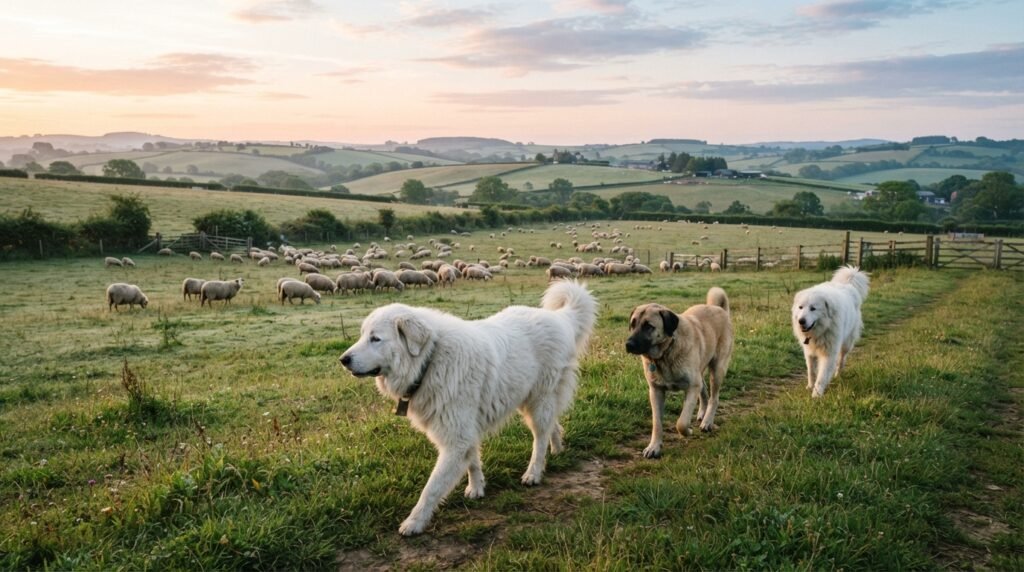
How LGDs deter predators and stay with a flock or herd
A guardian dog may deter predators with its presence, scent marking, and alert barking. If danger approaches, the dog may confront it directly. Livestock predator protection depends on the dog, training, local threats, and your management.
Many livestock guardian dog breeds work independently. Early bonding with the herd helps a dog remain nearby instead of roaming.
Which animals and properties can benefit from a guardian dog
You can use guardian dogs for farms with sheep, goats, cattle, poultry, or other suitable livestock. The best choice depends on your animals and property. Before choosing, consider the land’s size and layout, nearby properties, and fence strength.
How to Compare livestock guardian dog breeds for Your Farm
Choosing a guardian means matching the dog to your animals, land, and local risks. A useful lgd breed comparison considers your entire operation, not reputation alone.
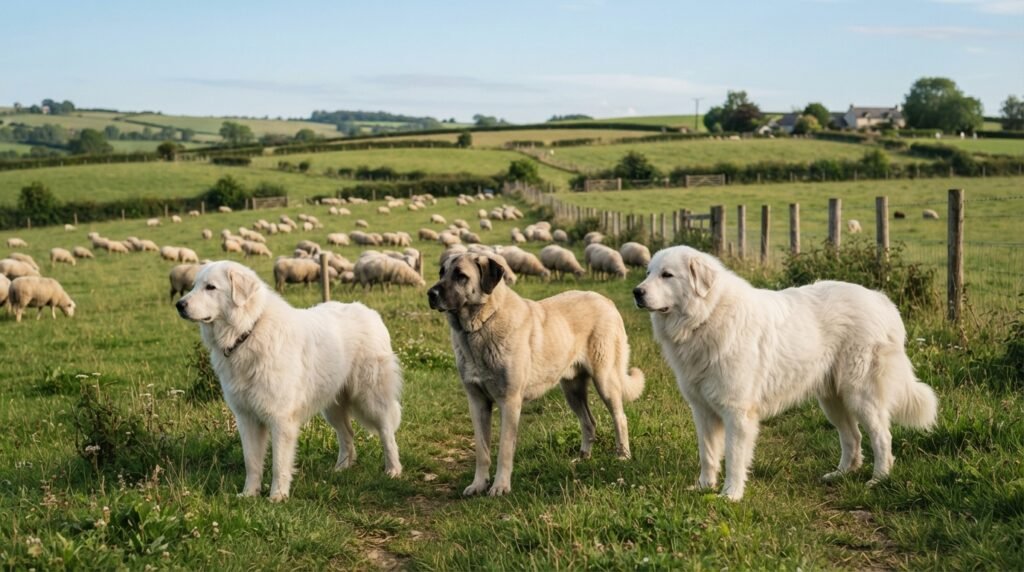
Match a dog’s working style to your livestock and predator risks
Compare each dog’s independence, alertness, size, and coat, plus its need for supervision. Consider daily contact, training, and the predators in your area. Coyotes, wolves, and roaming dogs may require different levels of protection.
The top lgd breeds may differ in how they patrol and remain near a flock or herd. Consider your livestock, too: a dog suited to sheep may not fit poultry or cattle without careful training.
Consider your acreage, fencing, climate, and daily routine
Acreage alone does not determine the best fit. Check fence strength, shelter, livestock layout, nearby roads, and neighbors. A dog with a strong urge to roam may need secure fencing, even on a large farm.
Consider local weather and the time you can give to care and supervision. Compare livestock guardian dog breeds with your farm’s full demands, not reputation alone.
Best Livestock Guardian Dogs and Popular Breeds to Know
Six breeds often appear on livestock guardian lists, but each dog is an individual. Breeding lines, early training, and daily care shape how a dog works with your animals. Use breed traits as a guide, not a promise.
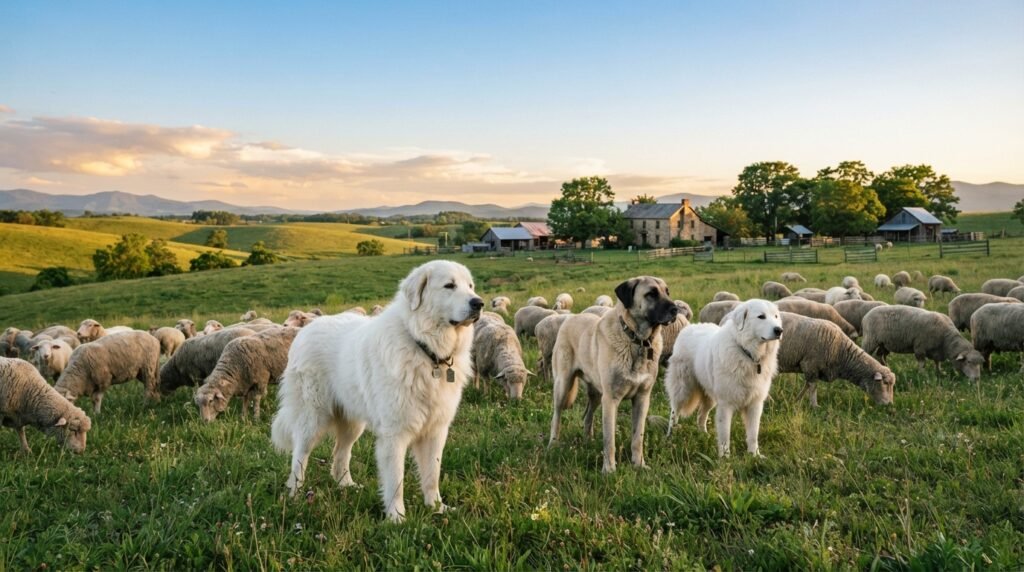
Great Pyrenees, Anatolian Shepherd, and Akbash
The Great Pyrenees is a large, often calm guardian with a dense coat. The Anatolian Shepherd is powerful, alert, and known for making independent choices. The tall, athletic Akbash suits farms needing a mobile guardian, and these popular livestock guardian breeds vary in drive and behavior.
Maremma Sheepdog, Komondor, and Kuvasz
The Maremma Sheepdog has a long history of protecting flocks. The Komondor’s corded coat needs careful upkeep to stay clean and dry. The Kuvasz is a large, capable working dog that needs a clear role and steady care.
When comparing the top lgd breeds, ask about proven working ability and temperament. Review the dog’s livestock history and choose for your farm’s needs, not appearance or breed name alone. These details can help you find the best livestock guardian dogs for your animals.
LGD Breed Characteristics: Size, Coat, and Working Ability
These lgd breed characteristics affect how a guardian fits your land and care routine. Breed patterns can guide your choice, but each dog grows and works as an individual.
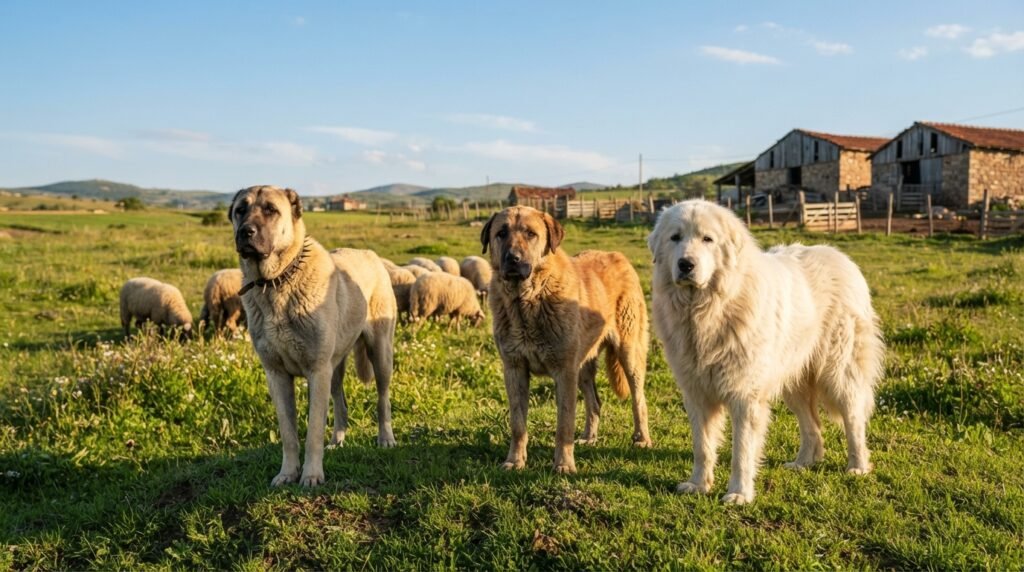
Compare lgd breed sizes and physical needs
lgd breed sizes range from large to very large, shaping feeding costs, handling, and transport. A big dog needs room to move, strong fencing, good nutrition, and regular veterinary care.
Large guardians take time to mature. Plan patient training and safe ways to lift or move your dog when illness or injury limits mobility.
Assess coat care, heat tolerance, and cold-weather suitability
Coat type affects grooming, shedding, and outdoor comfort. Thick-coated livestock guardian dog breeds may handle cold well, but their coats need checks for mats, burrs, and skin problems.
In hot weather, provide shade, fresh water, and good airflow. In cold or wet conditions, offer a dry, protected place to rest. Match coat care and shelter to your local climate and your dog’s work.
LGD Breed Temperament and Compatibility With Your Animals
Many livestock guardians make their own choices, watch their surroundings, and protect the animals in their care. The lgd breed temperament varies by dog and working line, so breed alone cannot predict behavior.
Compare independence, protectiveness, and sociability
Watch how a dog responds to visitors, farm workers, other dogs, and family members. Ask about handling, grooming, and routine care to understand guardian dog behavior in daily life.
Choose a temperament suited to your livestock and household
A suitable guardian should stay calm and reliable around the livestock it protects. Closely supervise dogs around young or vulnerable animals, children, and unfamiliar people. When possible, meet adult dogs from the breeder’s working lines to judge whether the best livestock guardian dogs suit your farm and home.
Choose an LGD Breed for Your Livestock and Local Predators
Your animals, pasture, and daily routine shape the guardian you need. The best livestock guardian dogs fit the work, not just a breed description.
Consider guardian needs for sheep, goats, cattle, and poultry
Sheep and goats often need a dog that stays close to the flock, especially during lambing or kidding. Cattle may range across larger pastures, so choose a guardian suited to wider spaces and your herd’s habits.
Poultry need careful introductions and steady supervision. A large dog may accidentally hurt birds, even without showing aggression. Group size, night housing, and birthing seasons can affect how much coverage your livestock needs.
Account for coyotes, wolves, bears, and other regional threats
Livestock predator risks vary by location. Coyotes may target smaller animals, while wolves or bears can threaten larger herds. Ask local farmers and wildlife officials which predators are common in your area.
Livestock guardian dog breeds can support a broader protection plan. However, a dog cannot replace secure fencing, suitable night housing, and sound animal care. Match your choice to local threats and your property management style.
Popular Livestock Guardian Breeds for Different U.S. Climates
Climate can shape how well a guardian dog works on your farm. Great Pyrenees and Maremma Sheepdogs have dense coats. Hot, humid regions need shade, fresh water, and close heat-stress checks; arid areas need safer work times during extreme heat.
Cold or high-elevation farms still need dry shelter that blocks wind and moisture. Acclimation, coat condition, age, and health affect each dog’s comfort. These lgd breed characteristics matter as much as breed name when comparing popular livestock guardian breeds.
Ask breeders where their dogs have worked and how they handle local weather. Many climate-suited guardian dogs still need proper shelter and care in every season.
Buying a Livestock Guardian Dog: Finding the Right Breeder
Good livestock guardian dog breeders explain how they choose dogs for health, temperament, and work. Ask to review veterinary records and learn about health tests for the dog’s parents. Ask which livestock the family line guarded and how puppies safely meet animals.
Look for calm, steady behavior around the stock you raise. Ask what help comes after purchase, including training advice and common adjustment problems. An lgd breed comparison can narrow your choices, but each dog’s background still matters.
What to ask about health, working lineage, and early livestock exposure
Ask to meet the puppy’s mother, if possible, and watch her near livestock. Request clear details about vaccinations, veterinary care, and known health concerns. Find out how puppies meet stock and what supervision they receive.
Compare a puppy, started dog, and experienced working adult
A puppy lets you guide its habits early, but it needs steady supervision and training. A started dog has supervised livestock experience, so ask what skills it learned and where it needs support.
An experienced adult may have a known work history, but its habits must fit your animals, property, and routine. Meet the dog and review its records before buying a livestock guardian dog. Make sure its needs match the work you expect it to do.
Prepare Your Property and Introduce Your LGD to Livestock
Good LGD property preparation starts before your dog comes home. Install secure fencing, a dry shelter, clean water, and a safe resting place. Also make a veterinary care plan for checkups and routine care.
Set Up Secure Fencing, Shelter, and Safe Introductions
Introduce your dog to livestock during short, supervised sessions. Use a secure pen or barrier first, and let animals move away. Take extra care with poultry, newborns, and other small or vulnerable animals.
Watch for chasing, rough play, escape attempts, or aggression. Step in calmly and adjust the setup when needed. Choose fencing and shelter for your land, weather, and livestock guardian dog breeds.
Build Reliable Guarding Habits With Supervision and Consistent Care
Young dogs need time to mature. Do not expect a puppy or adolescent dog to guard livestock alone until it shows steady, safe behavior. Consistent routines, humane livestock guardian dog training, and suitable social contact build sound working habits.
Check your dog and livestock each day. Regular checks can help you spot problems early and reinforce calm behavior around the herd.
Conclusion
The best livestock guardian dogs depend on your animals, local predators, land, fencing, and climate. Also consider your household, each dog’s temperament, and its work history.
Breed comparisons can narrow your choices, but livestock guardian dog breeds cannot guarantee success. Each dog’s behavior, training, and care matter just as much.
When choosing an LGD, talk with experienced livestock owners, responsible breeders, and local agricultural or veterinary professionals. Their advice can help you judge whether a dog fits your farm.
A well-matched guardian, introduced to livestock with care and managed consistently, can support a broader plan to protect your animals.