
Dog Training for Belgian Malinois A Friendly Guide.
Learn dog training for belgian malinois with practical steps for focus, obedience, confidence, and safe behavior at home, in public, and at work with care.
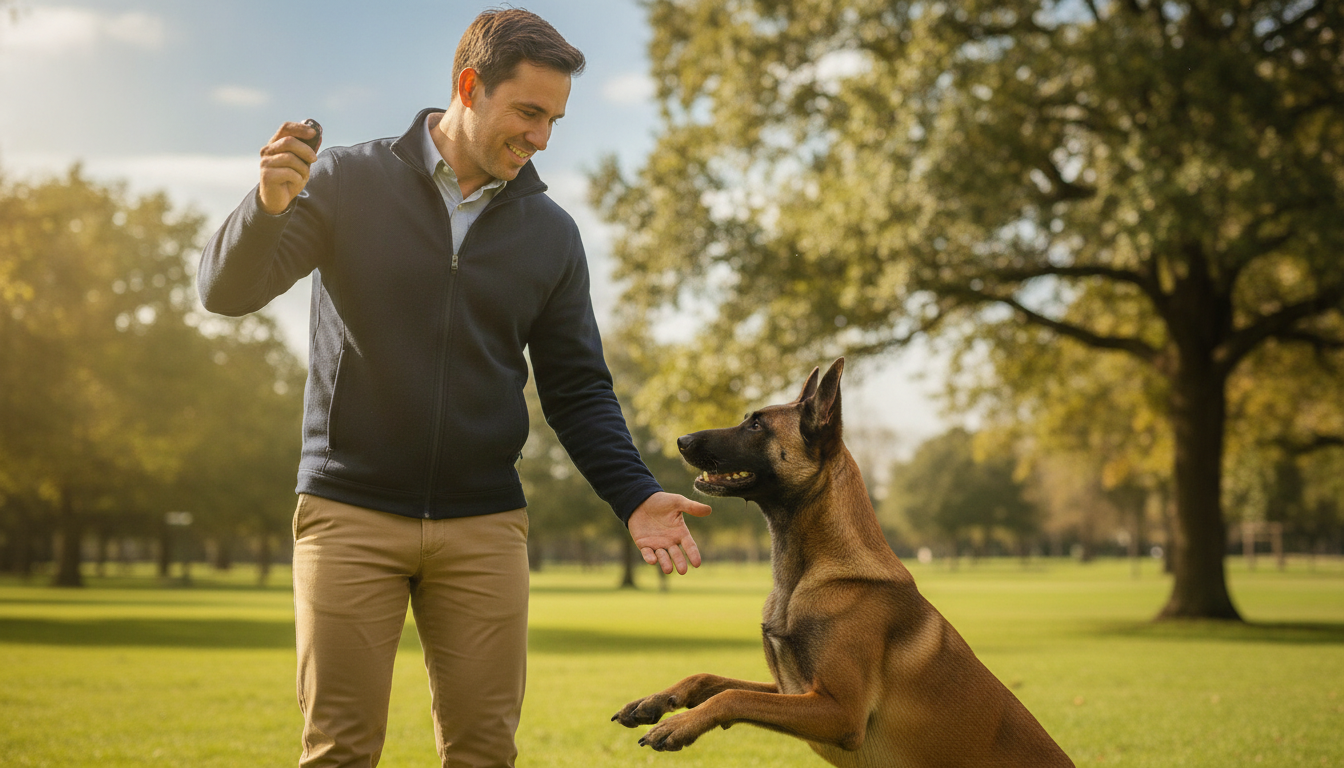
Living with a Belgian Malinois brings energy, loyalty, and a strong bond to your home. It may also make you wonder how to guide this smart, athletic dog with patience and confidence.
Good dog training for Belgian Malinois begins with clear communication, steady routines, and rewards for desired behavior. Your dog needs meaningful activity and enough rest to stay focused, calm, and ready to learn.
These Belgian Malinois training basics help build focus, obedience, confidence, and impulse control. You will also learn to support safe behavior at home, in public, and during suitable working activities.
dog training for belgian malinois: What You Need to Know
Good dog training for belgian malinois begins by understanding your dog as an individual. This breed is alert, energetic, responsive, and eager to work with you. Clear guidance turns these traits into steady, useful behavior.
Understanding the Belgian Malinois temperament
Belgian Malinois temperament can vary with age, genetics, health, socialization, and past care. Many dogs notice small changes in people, sounds, and movement. Some feel confident in new places, while others need more time to feel safe.
Your dog may seek frequent interaction with you. Praise, play, and shared tasks can build trust. Watch body language because stress may appear as pacing, pulling, barking, or avoidance.
Why intelligence and energy affect training
A Belgian Malinois is an intelligent working dog with a strong desire for activity. This drive supports fast learning when lessons are clear and rewarding. Short sessions often work better than long drills.
Without structure, high energy may cause jumping, nipping, chasing, or restless behavior. Give your dog simple tasks and regular breaks. Training should guide focus, build self-control, and meet healthy exercise needs.
Setting realistic training goals for your dog
Set goals that match your dog’s age, health, learning history, and home life. A young dog may first learn name recognition, focus, loose-leash walking, and calm greetings. An adult dog may need help with recall, reactivity, or impulse control.
Build skills in quiet places before adding noise, people, animals, and movement. Do not expect immediate off-leash reliability, protection work, or perfect behavior in busy settings. Gradual progress gives your dog time to understand each task and succeed.
How to Build a Strong Training Foundation
A clear routine helps your Belgian Malinois know what comes next. Set regular times for meals, walks, training, rest, and enrichment. This steady rhythm can reduce frustration and make new skills easier to learn.
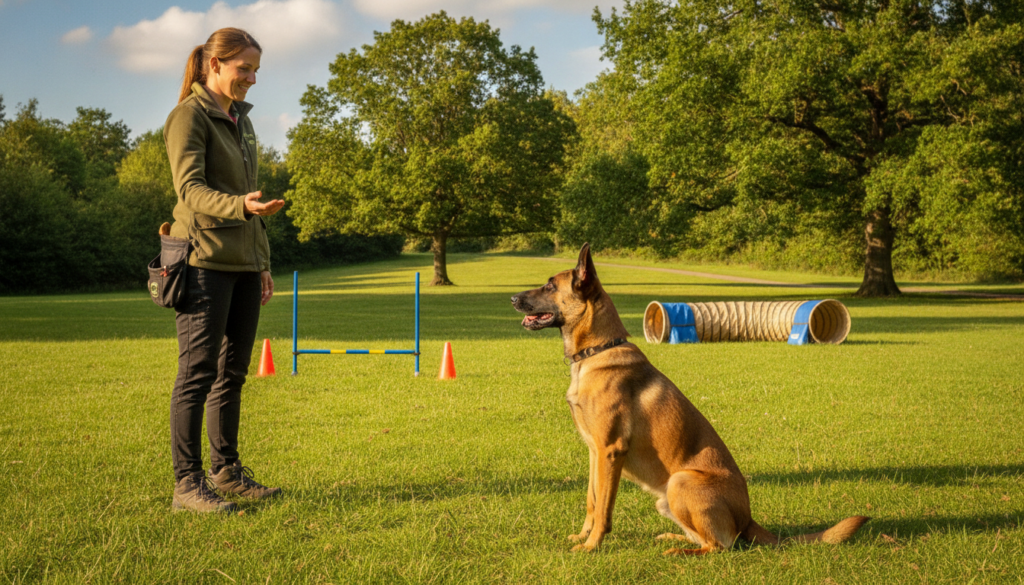
Creating a consistent daily routine
Build your Belgian Malinois training routine around short, focused sessions. Train after your dog has moved and settled. Keep lessons brief, then offer rest or a calm activity.
- Feed meals at similar times each day.
- Plan walks and play before your dog becomes restless.
- Use short training sessions with clear breaks.
- Include quiet rest after active work.
A predictable schedule gives your dog useful structure. It can prevent boredom and help you notice changes in mood, energy, or focus.
Teaching your dog to focus on you
Start in a quiet room with few distractions. Say your dog’s name once, wait for eye contact, and reward the response right away. Use a calm voice and repeat this exercise for a few minutes.
Next, teach hand targeting. Present your open palm near your dog’s nose. When your dog touches it, mark the behavior with praise or a treat. These steps support the best dog training techniques and prepare your dog for busy settings.
Raise the challenge in small steps. Move to another room, add mild sounds, or ask for focus before a walk. If your dog loses attention, lower the difficulty and reward calm effort.
Choosing effective rewards and training equipment
Rewards should match what motivates your dog. Small pieces of cooked chicken, soft treats, a tug toy, praise, or a short game may work well. Test each option and watch for excessive excitement.
Positive reinforcement training for malinois works best when rewards are quick, clear, and easy to deliver. Keep food portions small so your dog stays eager without eating too much.
- Use a well-fitted harness or flat collar.
- Choose a standard leash for daily practice.
- Carry treats in a secure pouch.
- Keep durable toys for supervised play.
- Use a long line for safe recall work in open areas.
Check all equipment before each session. A secure fit and calm handling help your dog learn with confidence.
Belgian Malinois Obedience Training for Everyday Skills
Daily belgian malinois obedience training helps your dog focus and respond at home and in public. Keep sessions short, clear, and upbeat. Mark small correct actions with a word such as “yes,” and reward your dog right away.
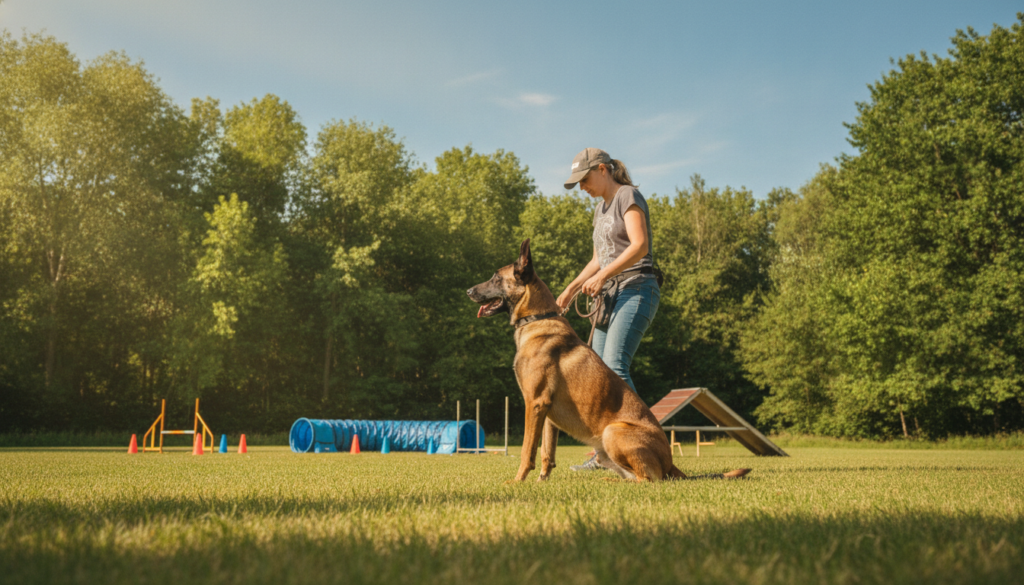
Teaching sit, down, stay, and come
Start with sit in a quiet room. Hold a treat near your dog’s nose, then guide the head up. When the hips touch the floor, mark the action and give the treat.
For down, move the treat toward the floor and between the front paws. Use the same method each time.
For stay, reward one second of stillness. Add time in small steps before adding distance. Increase distractions only after your dog succeeds at the current level. Practice each skill in a calm order:
- Ask for the behavior.
- Mark the correct response.
- Reward without delay.
- Release your dog with a clear word.
Teach come with a happy voice and open posture. Reward every return with high-value treats, praise, or a favorite toy. Build a reliable recall by calling your dog away from mild distractions first.
Do not use come to end every fun activity. Call your dog, reward the response, and allow a safe return to play.
Improving leash manners and loose-leash walking
Begin loose leash walking in a quiet room or fenced yard. Reward your dog for staying near your leg, looking at you, and walking with slack in the leash. Stop moving when your dog pulls.
Start again when the leash relaxes. Reward calm walking and keep practice brief.
Change direction calmly before your dog reaches the leash’s end. Mark the moment your dog follows you. Reward check-ins without pulling, since these small choices build steady leash habits.
Use a well-fitted harness or flat collar that allows safe control.
Practicing reliable commands around distractions
Move from your home to a yard, quiet sidewalk, and controlled park area. Add one challenge at a time, such as distance, movement, noise, or another dog far away. Keep enough space for your Malinois to think and respond.
Use short drills for Belgian Malinois obedience training. End while your dog remains engaged, and reward calm responses generously. A reliable recall grows through repeated success, patient steps, and safe practice in many settings.
Positive Reinforcement Training for Malinois
Positive reinforcement training for malinois helps your dog learn which actions bring good results. You reward calm focus, quick responses, and safe choices. This method builds trust and gives your intelligent working dog a clear reason to repeat useful behavior.
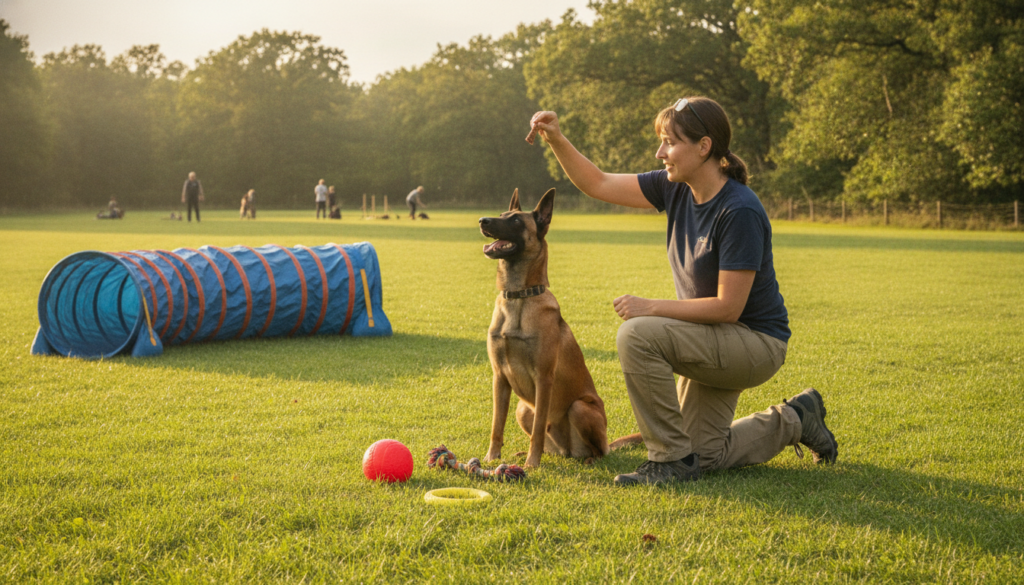
Using treats, toys, praise, and play
Food helps teach new skills because it is easy to give and highly motivating. Small treats can reward a sit, eye contact, or calm pause. After your dog understands the task, use tug, fetch, praise, or interactive play as strong rewards.
Reward a polite walk by letting your dog sniff a safe area. A short sniff break meets a natural need and makes calm leash behavior worthwhile. This reward based dog training approach lets you match the incentive to your dog’s interests.
Timing rewards to reinforce the right behavior
Give the reward right after the desired action. A delay of several seconds may connect the reward with the wrong behavior. A marker word such as “yes” or a clicker identifies the exact moment your dog succeeds.
Mark the behavior first, then give food, play, or praise. Practice in quiet places before adding distractions. As your dog gains skill, slowly fade treats by rewarding some correct responses with play, praise, or sniffing.
Keep reinforcing important skills throughout your dog’s life. Vary the reward to keep training engaging. A fast recall may earn a favorite toy, while calm waiting may earn a treat or time to explore.
Avoiding confusion, fear, and overly harsh corrections
Humane dog training avoids intimidation, pain, yelling, and confusing punishment. These methods can increase fear, conflict, avoidance, or defensive behavior. A sensitive, powerful working breed may react strongly when it feels trapped or threatened.
Use clear cues and steady rules. If your dog makes a mistake, pause and guide it toward an easier action. Reward the choice you want instead of adding pressure. Calm handling helps your Malinois stay ready to learn and willing to work with you.
Working Dog Training for Physical and Mental Balance
A Belgian Malinois needs more than long runs. Your dog needs clear tasks, safe movement, and time to settle. Good working dog training builds focus without constant excitement.
Providing Safe Outlets for Energy
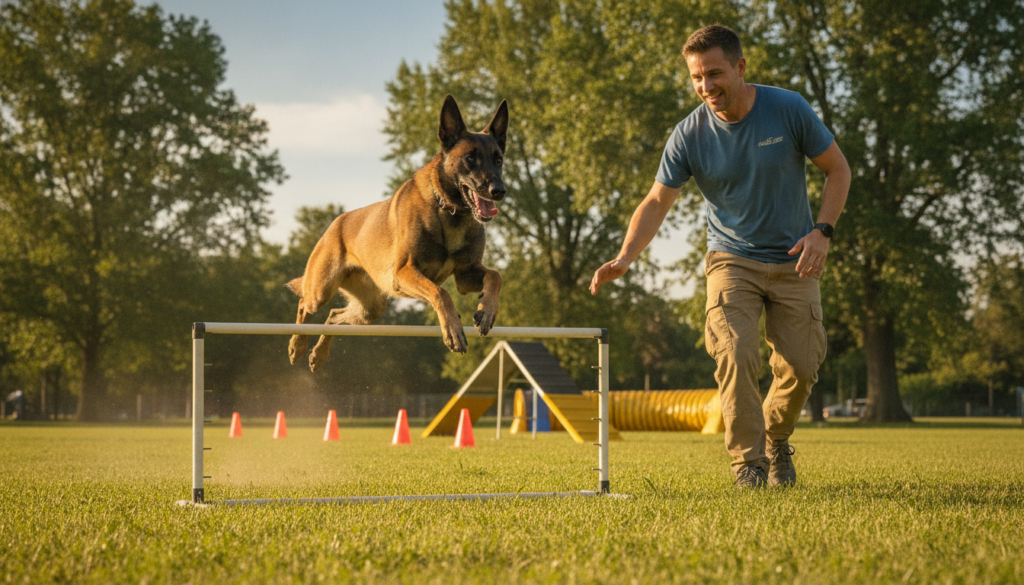
Use structured walks to encourage exploration and practice leash skills. Retrieving games, controlled tug, and short hikes offer healthy exercise when your dog is ready. Guide each activity with simple cues, such as “take,” “drop,” and “wait.”
Agility foundations improve body awareness through low jumps, ground poles, tunnels, and careful turns. Avoid high-impact drills for puppies, older dogs, or dogs with joint concerns. Ask your veterinarian to guide conditioning, especially after an injury or health change.
- Choose soft, secure surfaces for running and turning.
- Use short play sessions with clear starts and stops.
- Supervise tug, retrieving, hiking, and agility practice.
- Match exercise levels to your dog’s age and health.
Adding Scent Games, Tracking, and Problem-Solving Activities
Belgian Malinois enrichment meets mental needs with less strain on the body. Hide treats in boxes, scatter kibble in safe grass, or teach your dog to find a named toy. These games encourage careful searching and support calm focus.
Scent work for dogs can begin in your home. Place a food reward near an easy target, then let your dog investigate and increase the distance as learning grows. Simple tracking trails, food puzzles, and supervised training tasks make your dog think without intense exercise.
Change one detail at a time. Use a quiet room before moving to a yard or park. End the game while your dog still shows steady attention. This approach keeps learning clear and prevents frustration.
Balancing Exercise With Rest and Impulse Control
High-intensity activity all day can create an overexcited dog. Schedule calm periods after walks and play. A crate, mat, or quiet bed can teach your dog that rest is part of the routine.
Practice calm transitions between activities. Ask your dog to sit before opening a door, wait before taking a toy, and pause before leaving the car. Reward soft body language, quiet breathing, and attention to you.
Puppies need age-appropriate movement and frequent naps, while seniors may benefit from gentle walks and short scent games. Dogs with health concerns need a plan from a veterinarian. Balanced working dog training supports strength, focus, and reliable impulse control.
Belgian Malinois Behavior Modification for Common Challenges
Behavior changes begin with clear limits, calm timing, and safe practice. Watch what happens before each problem. Your notes can reveal patterns and support better choices.
Managing jumping, nipping, and excessive barking
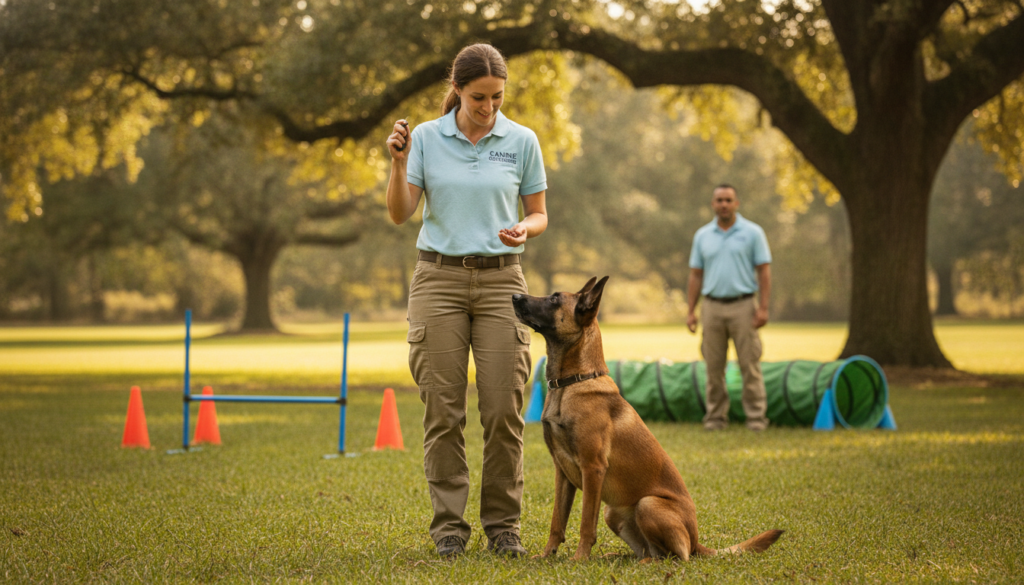
Prevent your dog from practicing unwanted behavior. Keep greetings calm, use a leash when needed, and reward four paws on the floor. If your Malinois nips, offer a sturdy toy and praise the switch.
End the interaction without anger when jumping or nipping continues. Turn away, pause, and try again after your dog settles.
For barking, identify the trigger first. Create more distance, reward quiet observation, and provide scent games, chewing tasks, and daily movement.
Reducing reactivity toward people, dogs, and surroundings
Reactivity training works best below your dog’s stress limit. Start far from the trigger, such as a dog, person, vehicle, sound, or fast movement. Reward your Malinois for looking calmly, checking in with you, and moving away.
Lower the distance in small steps only when your dog stays relaxed. If your dog lunges, freezes, or cannot take a treat, move farther away.
Pair the trigger with food or play to change its meaning. Avoid forced greetings and harsh corrections during this process.
Building confidence in new environments
Confidence building for dogs should feel safe and low pressure. Let your Malinois choose whether to approach a new surface, room, person, or sound. Use short visits, familiar rewards, and a predictable routine.
Give your dog simple tasks, such as finding treats or touching your hand. These wins can support steady behavior in unfamiliar places.
Seek help from a qualified trainer or veterinary behaviorist when fear, aggression, or bite risk appears. Careful belgian malinois behavior modification protects your dog and the people around you.
When to Work With a Professional Dog Trainer
Your Belgian Malinois may need expert help when training problems continue after steady practice. Lunging, biting, severe fear, guarding, and escape attempts need prompt attention. Difficulty settling, constant barking, or unsafe behavior around people and dogs can increase injury risk.
Signs Your Dog Needs Expert Guidance
Contact a professional dog trainer if your dog cannot follow basic cues in calm settings. Seek help if your dog reacts strongly to visitors, children, traffic, or other animals. A trainer can build a clear plan and help manage triggers before a bite or escape.
Severe fear may need more care than standard training. Ask your veterinarian for a referral to a veterinary behaviorist when anxiety, aggression, or stress affects daily life. Medical issues can affect behavior, so a health check matters.
How to Choose an Experienced Dog Trainer
Find an experienced dog trainer who has worked with Belgian Malinois and high-drive working dogs. Ask about credentials, training methods, safety steps, and recent references. Choose someone who explains each step and uses clear, humane techniques.
A skilled trainer should welcome input from your veterinarian. They should include Belgian Malinois behavior support in a wider plan covering exercise, rest, management, and impulse control. Avoid anyone who promises instant results or uses fear and painful corrections.
What to Expect From Private Lessons and Group Classes
Private lessons address goals such as reducing reactivity, improving recall, or managing guarding. You receive direct coaching at home or in another useful setting. This format can protect a reactive dog from too much pressure.
Group classes provide controlled social learning and practice around mild distractions. Your dog can build focus while you learn through guided exercises. Some reactive dogs need private instruction before joining a class because a calm start supports safer progress.
Advanced Dog Training Methods for a Reliable Malinois
Advanced skills should grow from dependable basics. Your Belgian Malinois should answer simple cues before you add distance, speed, or strong distractions. These advanced dog training methods work best in short sessions with clear rewards.
Strengthening off-leash control safely
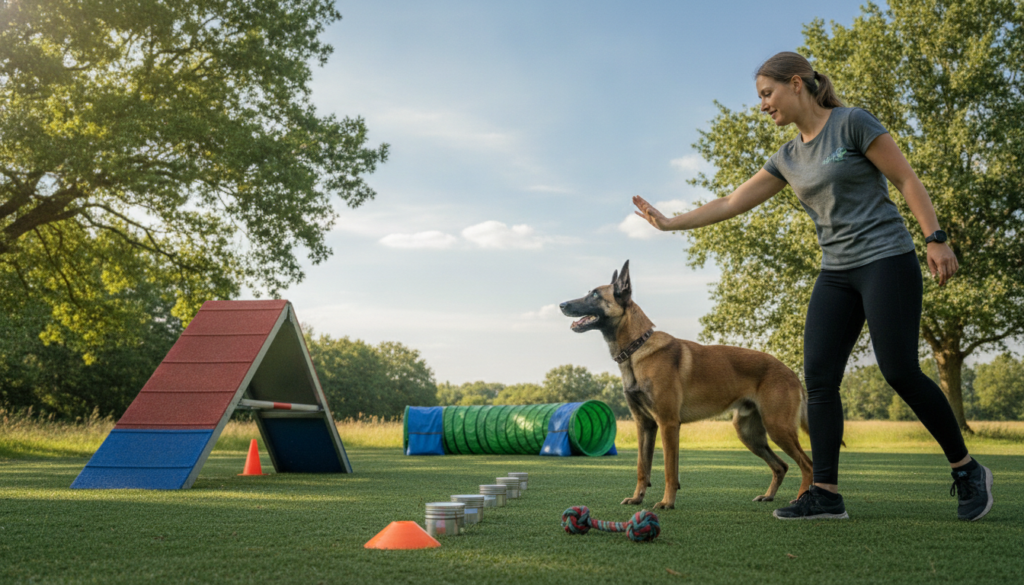
Start with a long line in a secure, fenced area. A long line gives your dog freedom while keeping you in control. Practice recalls, direction changes, and pauses before removing the line.
Check local leash laws before off-leash work. Use a secure collar or harness, current identification, and safe equipment. Fenced spaces reduce risk, but they do not replace careful supervision.
Build off leash reliability through calm choices, not speed alone. Reward your dog for checking in, returning promptly, and settling near you after active play.
Teaching place, heel, recall, and emergency stop skills
Teach “place” on a mat or raised cot. Reward your dog for staying there while you move, open doors, or handle mild household activity. Add time and distance in small steps.
Formal heelwork requires your dog to keep a steady position beside your leg. Start with a few steps. Reward eye contact, then add turns when your dog stays consistent. Practice on both sides if your training goals require it.
An emergency recall should have a special cue that you do not use for routine calls. Pair it with high-value food or a favorite toy. Practice it only when you can reward a fast return.
For an emergency stop, teach your dog to halt on one clear cue. Start at close range, use a long line, and reward stillness. Include calm transitions from running to standing and from active work to rest.
Proofing obedience in real-world situations
Advanced Belgian Malinois obedience depends on careful proofing. Change one challenge at a time, such as location, surface, weather, people, animals, sounds, or distance. Lower the difficulty if your dog loses focus.
- Practice on grass, gravel, pavement, and indoor floors.
- Add mild sounds before using busy public areas.
- Increase distance only after your dog responds quickly nearby.
- End with a calm rest period after demanding work.
Reliable control can improve safety, but it cannot guarantee success in every environment. Responsible management remains essential, even when your dog shows strong skills.
Conclusion
Effective dog training for belgian malinois starts with consistency, clear communication, and realistic goals. Keep sessions short and practice often. Reward desired behaviors, then increase difficulty one step at a time.
Training gives your dog safe energy outlets, including scent games, tracking, and controlled exercise. Balance activity with rest and impulse control. Watch stress and arousal, then adjust the plan for age, health, temperament, and skill level.
Belgian Malinois obedience training should build trust, never fear. Positive reinforcement training for malinois can improve focus, confidence, and cooperation while strengthening your bond. Use careful public management, secure equipment, and reliable commands to protect your dog and others.
Seek a qualified professional if your dog shows serious reactivity, aggression, anxiety, or unsafe behavior. Include regular veterinary care, and remember that steady progress matters more than speed. With patience and humane guidance, you can help your Belgian Malinois become a balanced, dependable companion.