
Breeding Mixed Breed Dogs Guide for Happy Healthy Pets.
Learn what responsible breeding mixed breed dogs involves, including health testing, temperament, and puppy care, to make informed, humane decisions.

A litter of puppies can bring joy, but it also brings serious duties. If you are considering breeding mixed breed dogs, begin with the needs of both parent dogs and their puppies.
Mixed-breed puppies are not automatically healthier or easier to raise than purebred puppies. Responsible mixed breed dog breeding requires veterinary planning, a clear care and emergency budget, and suitable homes for every puppy.
This guide can help you weigh the decision and plan each step. Breed only when you can protect both dogs’ welfare and care for the puppies throughout their lives.
What Breeding Mixed Breed Dogs Involves
Mixed breed dog breeding pairs dogs from different breeds or backgrounds. Their puppies may differ in looks, size, behavior, and care needs. Because traits can be hard to predict, plan for several possible outcomes.

How mixed breed dog breeding differs from purebred breeding
Purebred dogs have pedigrees and breed standards that can suggest likely traits. Mixed breed dog breeding gives less certainty about inherited features. Neither approach guarantees a specific result because each dog inherits a unique mix of traits.
Understanding traits, temperament, and genetic variation
Puppies inherit traits from both parents, and littermates may differ in temperament, build, and activity level. Hybrid dog breeding does not guarantee better health, a steady temperament, or a predictable adult size. Review each parent’s health and behavior, then prepare for every puppy’s individual needs.
Deciding Whether Breeding Is Right for You
Before breeding mixed breed dogs, ask why you want a litter. Your reasons should protect the dogs’ well-being, not novelty, convenience, or expected profit. Plan for the time, costs, and care each puppy will need.
Assessing your goals, resources, and long-term responsibilities
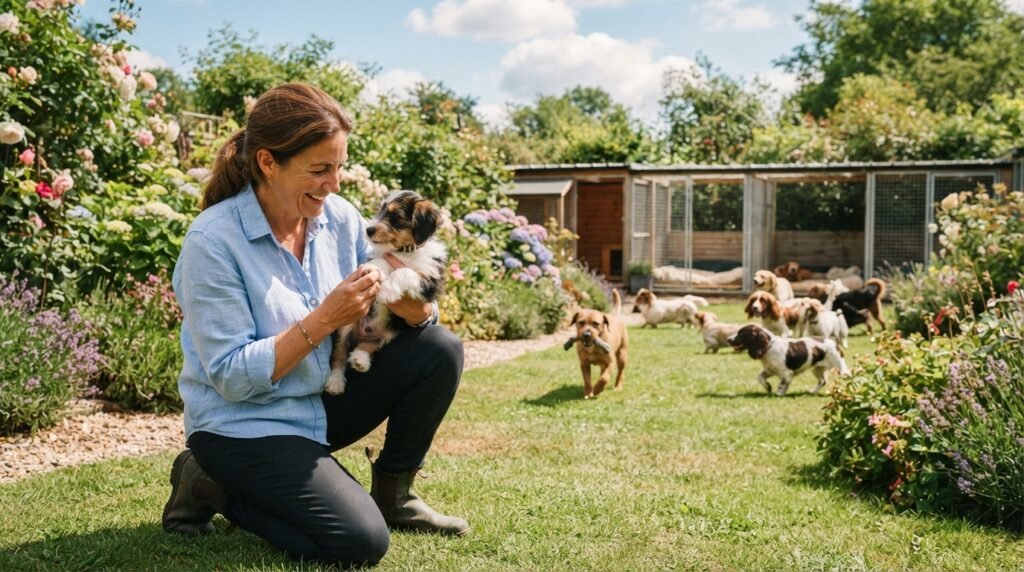
Budget for veterinary visits, pregnancy and delivery care, puppy socialization, and finding suitable homes. You may need to keep puppies longer than planned. Be ready to take a dog back if a placement does not work out.
Prioritizing the health and welfare of both dogs
Do not breed a dog when its health, temperament, age, or living situation makes mating or pregnancy unsafe. A veterinarian can review each dog’s health and explain the risks. These steps support ethical breeding practices and should guide every decision.
Choosing Compatible Dogs for Crossbreeding Canines
Choosing a pair requires more than matching looks. For responsible crossbreeding canines, assess each dog’s health, behavior, and daily needs. Both dogs should be healthy, behave steadily, and suit a home prepared to care for a litter.

Evaluating health, temperament, size, and energy level
Watch how each dog responds to people, other animals, and new settings. Compare their size and energy levels as well. A large size gap may make mating difficult, while a much smaller female may face greater risks during pregnancy or delivery. Ask your veterinarian to assess each dog before breeding.
Researching breed-specific risks and potential inherited conditions
Learn about health concerns tied to each dog’s breed ancestry and family history. Mixed-breed dogs can inherit conditions from either parent, so breed mixing still requires screening and tests. The best practices for mixing dog breeds include reviewing family health records and discussing suitable tests with your veterinarian.
Health Screening and Veterinary Preparation
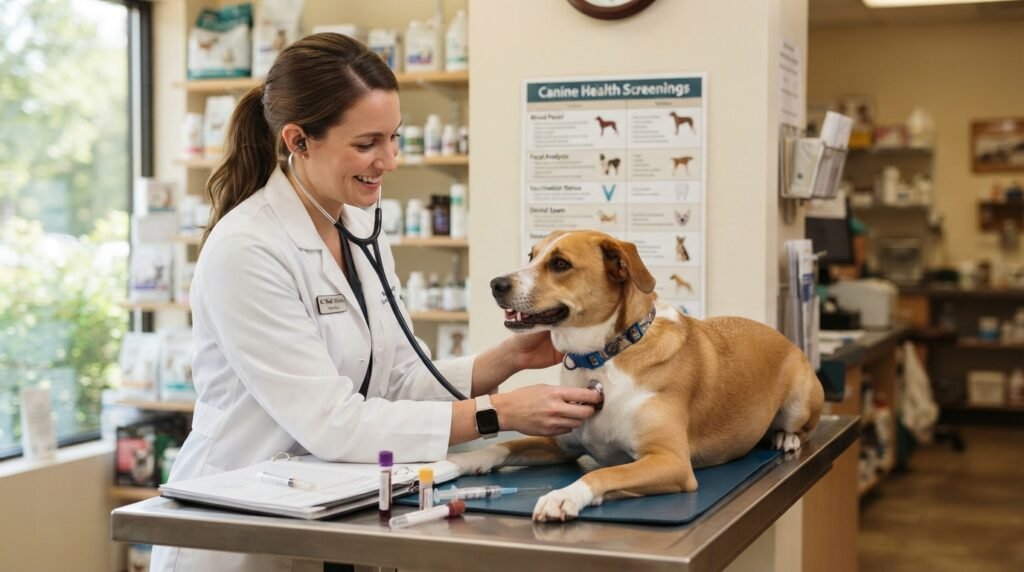
Before breeding, schedule a veterinary exam for both dogs. A careful exam can find health concerns early and guide the female’s care. This supports responsible mixed breed dog breeding, but it cannot remove every risk.
Planning veterinary exams and recommended genetic tests
Ask your veterinarian to review each dog’s medical history, body condition, reproductive health, vaccines, and parasite prevention. Discuss tests for infectious diseases that could affect either dog or a litter.
Choose genetic tests based on each dog’s ancestry and known risks. A veterinarian or veterinary genetics professional can help explain the results. A DNA panel alone cannot provide a full health review.
Discuss whether a health issue means either dog should not be bred. Careful health testing for breeding dogs supports responsible mixed breed dog breeding.
Preparing the female dog for pregnancy and delivery
Work with your veterinarian on a feeding plan, pregnancy checks, and a delivery plan. Set aside funds for routine care and urgent treatment. Know which veterinary clinic can help at any hour if labor raises concern.
Good preparation can support the female dog and her puppies, but pregnancy and birth are never risk-free.
Ethical Breeding Practices for Mixed Breed Dogs
Put each dog’s health and quality of life before demand for a certain look, label, or price. Ethical breeding practices begin with careful screening and a plan to care for every puppy.
Setting responsible standards for breeding and puppy placement
Keep clear health and veterinary records, and be honest about each dog’s parentage and known risks. Arrange proper veterinary care, choose suitable homes, and support puppies throughout their lives. These steps guide responsible mixed breed dog breeding.
Avoiding harmful breeding trends and misleading health claims
Do not promise that mixed-breed puppies are hypoallergenic, healthier, or certain to reach a set size or temperament. Traits can vary, even within one litter.
A fashionable name or breed mix cannot replace health screening, sound choices, or careful placement. Share what you know, and explain what you cannot predict.
Planning a Litter: Timing, Costs, and Supplies
Planning ahead protects your dog and prepares you for a litter. During mixed breed dog breeding, prepare your budget and birth space before mating.
Estimating veterinary, whelping, and emergency expenses
Costs may cover pre-breeding exams and tests, pregnancy visits, recommended imaging, and delivery care. Budget for puppy exams, vaccines, parasite treatment, microchips, and puppy whelping supplies.
Save money for urgent care, including an emergency cesarean section or intensive puppy care. Before breeding, call local veterinary clinics about after-hours availability and likely costs.
Preparing a safe, clean space for birth and puppy care
Choose a quiet, secure area away from household traffic and easy to clean. Provide a suitable whelping box with washable bedding and safe warmth. Ask your veterinarian which supplies you need for birth and early puppy care.
Keep the area clean, and check your dog and puppies often. Equipment can help you prepare, but it cannot replace close supervision or prompt veterinary care.
Pregnancy, Whelping, and Newborn Puppy Care
Good planning protects the mother and her litter. During hybrid dog breeding, work with your veterinarian throughout pregnancy. Keep a clinic and transport plan ready for labor.
Monitor pregnancy with your veterinarian
Follow your veterinarian’s plan for exams, nutrition, and safe exercise. Your vet may suggest imaging to check the litter and guide care. Ask which changes to watch for as the due date nears.
Know when labor needs urgent care
Call a veterinarian right away if your dog strains long without delivering a puppy, has heavy bleeding, collapses, or seems distressed. Get urgent help for a stuck puppy, and follow your clinic’s advice. Labor can vary from dog to dog.
Support newborn puppies
Keep the whelping area warm and safe, and check that each puppy nurses. Weigh them regularly, and contact your veterinarian if a puppy feels cold, weak, cannot feed, or is not gaining weight. Close newborn puppy care means watching both the mother and every puppy.
Raising and Placing Puppies Responsibly
Give puppies gentle, age-appropriate handling and safe exposure to everyday sounds, sights, and people. Keep their space clean and secure, and schedule veterinary checkups to track growth and health. Place each puppy only when ready to leave its mother and litter.
Socializing puppies and preparing them for new homes
Help adopters understand that adult size, coat, temperament, and care needs may vary. Share simple guidance on feeding, routines, and continued socialization, giving each puppy a steady start.
Screening adopters and sharing health and care records
Ask about an adopter’s dog experience, schedule, housing, household members, and plan for veterinary care. Provide known parent details, health screening results, vet records, and feeding instructions. Use a written agreement that explains your ongoing support and what to do if placement does not work out.
Understanding responsible breeding of designer dogs and mutts
Whether you are breeding designer dogs or breeding mutts, a label does not change your duty to protect each puppy. Follow the best practices for mixing dog breeds by putting health, suitable homes, and lifelong welfare first.
Conclusion
Breeding mixed breed dogs starts with a choice centered on welfare. Before moving forward, assess both dogs’ health, temperament, and needs. A veterinarian can help plan health screenings and discuss possible risks.
Mixed-breed ancestry does not guarantee good health or predictable traits. Ethical breeding practices require honesty about what you know—and cannot know—about a puppy’s future health and behavior.
Responsible mixed breed dog breeding requires time, money, and preparation. Plan for routine care, delivery needs, emergencies, and committed support for every puppy. Place each puppy carefully in a suitable home.
Talk with your veterinarian before deciding. If you cannot meet the dogs’ needs or care for a litter, consider adoption or choosing not to breed.