
Discover White Dog Breeds Perfect for Your Lifestyle.
Explore white dog breeds by size, temperament, and care needs to find the ideal companion for your family, lifestyle, and home with confidence. Make the right choice.
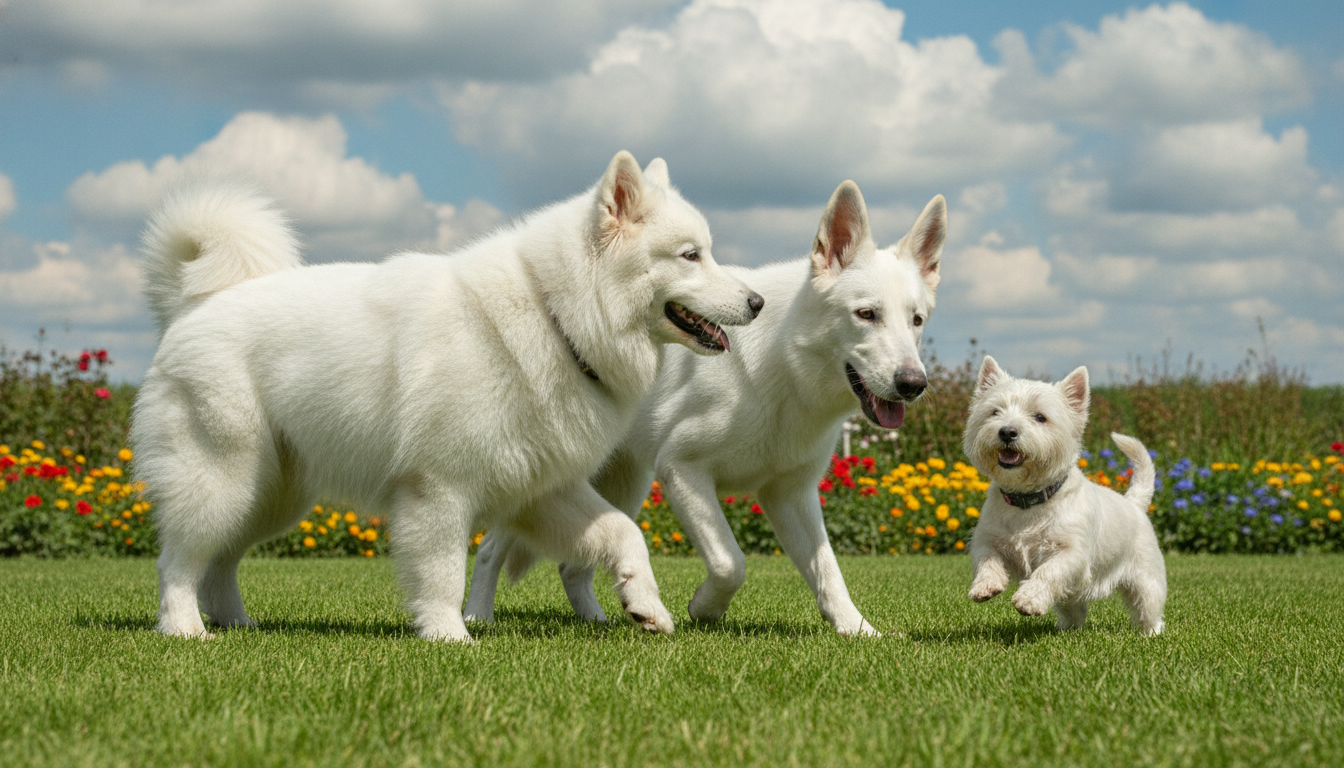
A white dog can catch your eye at once. You may picture a bright coat beside you, in a park, or greeting family. Yet the right match depends on more than color.
White dog breeds may have coats ranging from bright white to cream, ivory, or pale biscuit. Color does not predict temperament, energy level, adult size, shedding, or health needs. Each breed has its own habits, strengths, and care demands.
This guide compares white colored dog breeds by home setting, activity level, family fit, grooming needs, and trainability. It also covers allergy concerns and care needs among different white coat dog breeds.
Before choosing, review the complete breed profile and meet individual dogs when possible. A personal connection matters, but choose a companion whose needs fit your daily life.
How to Choose the Right White Dog Breed for Your Lifestyle
Choosing among white dog breeds starts with an honest look at your home, schedule, and experience. Consider adult size, daily energy, barking, and how much contact your dog will need. Thoughtful dog breed selection can support a calm, lasting bond.
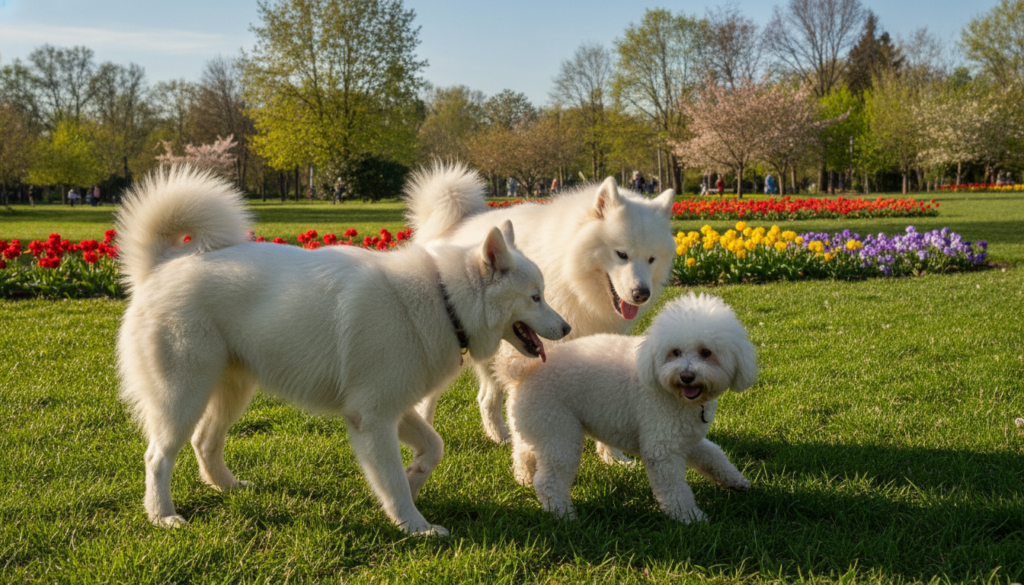
Consider Your Home, Yard, and Daily Routine
Your living space should match your dog’s adult size and activity level. An apartment may suit a Maltese or Bichon Frise if you provide walks, play, and mental tasks. A Samoyed or White Swiss Shepherd Dog may need more room, longer outings, and a secure yard.
Consider your noise tolerance and nearby neighbors. Some dogs bark when bored, alert, or left alone. Review your work hours before choosing a breed, since your dog may need daily walks, enrichment, training, and steady companionship.
A secure yard can support exercise, but it cannot replace time with you. Consider children, cats, and other dogs in your home. The best match should fit your family dog lifestyle and plans for the next decade.
Understand Temperament, Exercise, and Training Needs
Breed temperament can shape your daily routine. High-energy dogs may need vigorous exercise, puzzle toys, and active training. Lower-energy companions may prefer short walks, indoor play, and quiet time near you.
Use positive-reinforcement training with treats, praise, and clear routines. Early socialization helps puppies respond to people, pets, sounds, and new places. Ask about separation tolerance, prey drive, and how the breed responds to children.
Individual dogs can vary within the same breed. Meet adult dogs when possible, and discuss behavior with a responsible breeder or rescue staff. These steps can make your choice among white dog breeds more informed.
Prepare for White Coat Care and Maintenance
White coat dog breeds often show dirt, tear stains, urine marks, and food residue. Plan regular brushing to remove loose hair and prevent mats. Bathe your dog with gentle, dog-safe products when the coat needs cleaning.
Wipe paws after outdoor walks, especially during wet or muddy weather. Include dental care, nail trimming, and routine ear checks in your schedule. Some coats need professional grooming every few weeks.
Ask a groomer to explain the coat’s needs before you commit. A realistic care plan makes grooming manageable and helps your dog stay clean, comfortable, and healthy.>
Popular White Dog Breeds for Different Types of Owners
Let your lifestyle guide your dog choice. Some breeds need long walks, active play, and daily training, while others prefer close company and calm homes. These popular white dog breeds vary in energy, grooming, size, and social needs.
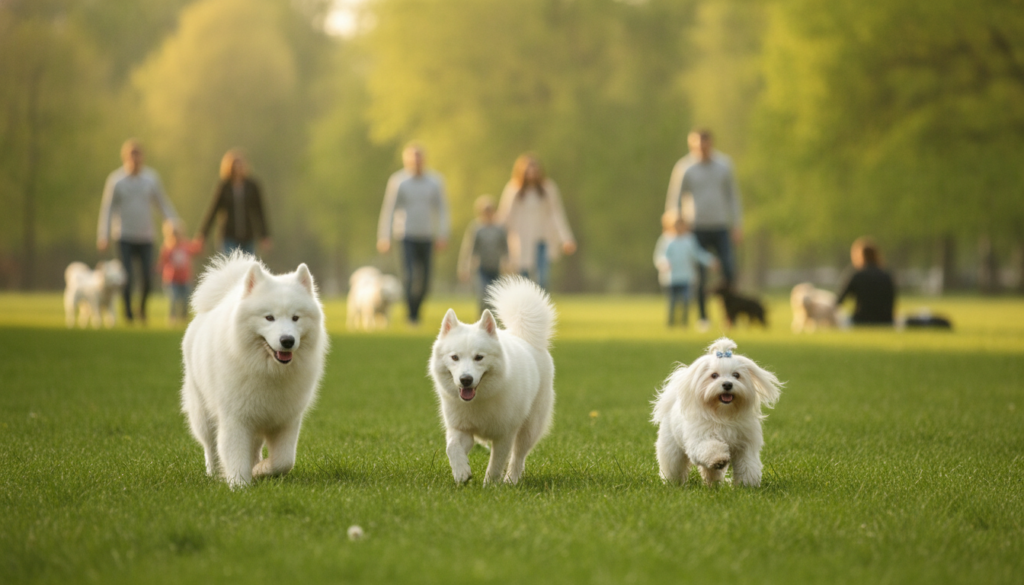
White Dog Breeds for Active Owners
Active white dogs may suit runners, hikers, and households that enjoy outdoor time. The Samoyed is social, bright, and eager to work. Its thick coat needs regular brushing, and it needs plenty of exercise.
A white Siberian Husky may suit an active owner who provides safe runs, walks, and puzzle toys. Huskies are clever and independent. Secure fencing and patient training matter.
The Standard Poodle learns quickly and often enjoys swimming, hiking, and dog sports. The White Swiss Shepherd Dog can be loyal and responsive with steady guidance. Both breeds need regular exercise, mental stimulation, and training.
White Dog Breeds for First-Time Owners
Several small breeds may work well for new owners. The Bichon Frise, Maltese, Havanese in light coats, and Coton de Tulear often enjoy close family life. Their small size can make daily care easier in smaller homes.
These beginner-friendly dog breeds still need structure. Plan for house training, socialization, dental care, and regular grooming. Their coats may mat without frequent brushing and professional trims.
A gentle training plan helps build trust. Short lessons, clear rules, and rewards support good habits. No breed is effortless, so consider your time, budget, and access to veterinary care.
Companion White Dog Breeds for Relaxed Households
Relaxed households may prefer dogs that enjoy companionship more than intense outdoor work. The Maltese and Bichon Frise often like lap time, light play, and short walks. The Japanese Spitz can be cheerful and alert while fitting family routines.
A Shih Tzu with a white or parti-color coat may suit a calm home. This breed often values human company and moderate activity. Daily coat care, eye cleaning, and regular veterinary visits remain responsible ownership duties.
When comparing white dog breeds for families, look beyond color and size. A dog’s history, socialization, and health can shape its behavior. Meet the dog in person, ask for medical records, and choose a pace that fits your household.
Small White Dog Breeds for Apartments and Families
Many small white dog breeds can thrive in condos or apartments when you meet their daily needs. Bichon Frise, Maltese, Coton de Tulear, West Highland White Terrier, Japanese Spitz, and Toy or Miniature Poodles suit smaller homes. Check your lease, building rules, and local breed restrictions before bringing one home.
Small dogs still need walks, play, training, and safe social time. A short body does not mean low energy. Mental games, gentle fetch, and brief training sessions help apartment dogs stay calm and engaged.
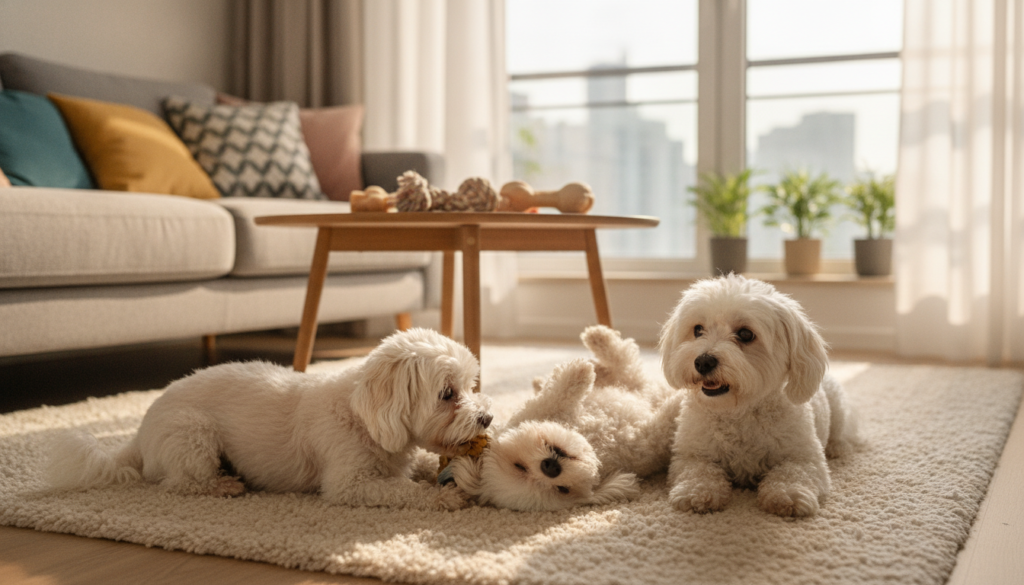
Small White Dog Breeds for Apartment Living
The Bichon Frise often adjusts well to indoor life. It enjoys company, learns routines, and needs regular play. The Maltese and Coton de Tulear make good small companion dogs for people wanting an affectionate pet nearby.
A West Highland White Terrier may fit an apartment with daily walks and steady training. Its terrier nature can cause barking and a strong chase instinct. Japanese Spitz dogs tend to be alert and playful. Toy and Miniature Poodles need exercise, puzzle toys, and training to prevent boredom.
Teach your dog to stay quiet from the start. Reward calm choices near doors, elevators, and shared hallways. Introduce people and dogs in controlled settings while watching your pet’s comfort.
Small White Dog Breeds for Families With Children
When comparing white dog breeds for families, look for steady temperaments and a match for your children’s ages. Bichon Frise, Coton de Tulear, and well-socialized Miniature Poodles can enjoy family activities. Each dog still needs breaks from busy play.
Small dogs can suffer serious injuries from falls, squeezing, or rough handling. Teach children to sit on the floor before holding a dog. Show them how to touch the back, chest, and shoulders gently. Never let children pull ears, chase, or disturb a dog while it eats or sleeps.
Use careful introductions when a new pet joins your home. Give the dog a quiet bed and let it approach family members slowly. Adult supervision matters, even with friendly small companion dogs.
Grooming and Health Considerations for Small Breeds
White coats show dirt, tears, and mats easily. Brush around the face, ears, legs, and tail several times each week. Bichon Frise, Coton de Tulear, Maltese, and Poodles may need regular professional grooming.
Small breeds can face dental disease, patellar luxation, eye irritation, tear staining, sensitive skin, and tangled coats. Brush your dog’s teeth with pet-safe supplies, clean its eyes, and check its knees during wellness visits.
Routine veterinary care helps you track weight, teeth, skin, and movement. A healthy weight protects small joints. Regular exercise, careful socialization, and gentle handling support a comfortable life for apartment dogs.
Large White Dog Breeds for Active Families and Spacious Homes
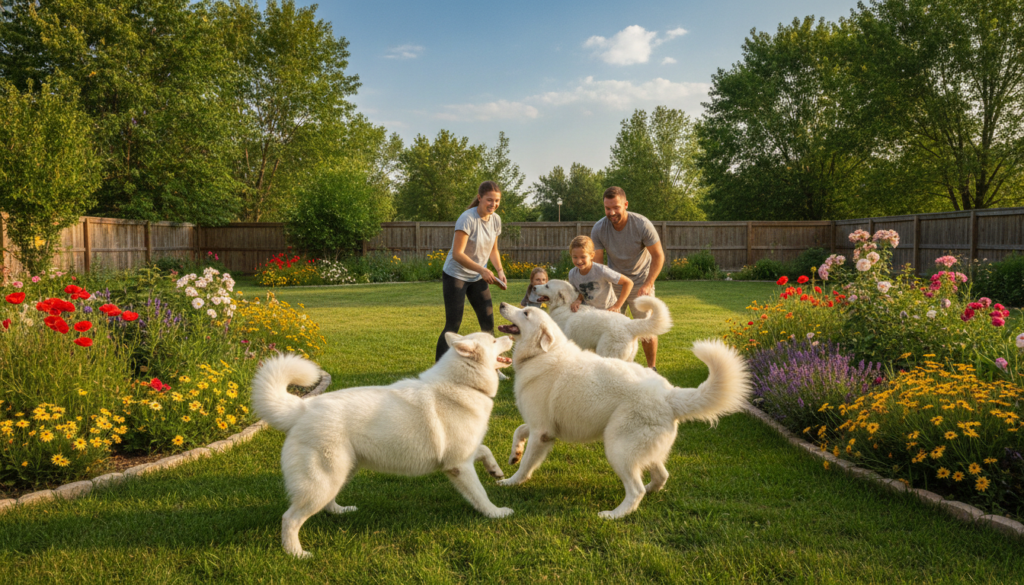
Large white dog breeds can suit active homes with space, time, and steady guidance. These white dog breeds for families include Great Pyrenees, Samoyeds, White Swiss Shepherd Dogs, Kuvasz, and white-coated Labrador Retrievers. Each breed has different traits, so match your choice to your routine, property, and experience.
Calm and Caring Personalities
Great Pyrenees are calm guardians with a strong instinct to watch over their homes. Kuvasz dogs are devoted protectors who need confident handling and early socialization. Their size and independence make clear rules important.
Samoyeds are friendly, social, and playful. White Swiss Shepherd Dogs often bond closely with their families and enjoy learning. A white-coated Labrador Retriever may fit many homes more easily because of its retrieving drive, trainability, and outgoing nature.
These breeds can be gentle large dogs, but never leave any dog alone with young children. Teach children to respect rest, food, and personal space. Supervise play, reward calm behavior, and introduce visitors in a controlled way.
Building Good Habits Through Daily Activity
Large family dogs need more than a quick walk. Provide daily exercise that fits each breed. Retrieving games may suit a Labrador Retriever, while a Samoyed may enjoy hiking or active play.
Great Pyrenees and Kuvasz dogs may prefer patrols, walks, and quiet outdoor time.
- Practice leash skills in calm areas before busy outings.
- Build recall with treats, praise, and a secure long line.
- Use controlled greetings with guests, children, and other dogs.
- Offer puzzle toys, scent games, and short training sessions.
- Give working breeds safe tasks that use their natural skills.
Early training helps prevent jumping, pulling, barking, and guarding problems. Keep lessons brief and consistent. Positive methods build trust and help your dog understand household limits.
Planning for Size, Cost, and Care
Your yard should have secure fencing with strong gates. You will need sturdy leashes, durable collars, raised barriers, and a bed that supports growing joints. Measure your vehicle before bringing home a large dog because crates and travel space can become major concerns.
Food costs rise with body size. Choose a balanced diet with veterinary guidance, and monitor portions to protect healthy joints. Weight control matters for every large breed, especially during growth.
Plan for regular grooming, nail care, dental care, and veterinary visits. Ask about orthopedic screening for hips and elbows when choosing a puppy. Long-term care may include joint support, blood tests, allergy treatment, or other breed-related needs.
Some giant breeds have shorter average lifespans, so your commitment should cover every stage of life.
Hypoallergenic White Dog Breeds and White Fluffy Dog Breeds
Coat color does not decide allergy risk. No dog is completely hypoallergenic because dander, saliva, urine, and skin proteins can cause reactions. Some low-shedding dogs may suit allergy-sensitive homes better than dogs that shed heavily. Before adoption, spend time with the dog and watch how your allergies respond.
Hypoallergenic White Dog Breeds to Consider
Bichon Frise, Maltese, and Coton de Tulear are small breeds that shed less than many dogs. A white Standard Poodle or Miniature Poodle may suit an active home with time for training and grooming. People often list them among hypoallergenic white dog breeds, but any dog can trigger symptoms.
Meet the dog indoors before you commit. Watch for sneezing, itchy eyes, coughing, or skin irritation during and after your visit. A doctor can help you make a safer plan when allergies are a concern.
White Fluffy Dog Breeds With High Grooming Needs
Many white fluffy dog breeds have thick coats that trap dirt, moisture, and loose hair. The Samoyed and Great Pyrenees need frequent brushing and extra care during seasonal shedding. The Bichon Frise and Japanese Spitz may need regular baths, careful drying, and professional trims.
Use a slicker brush and a comb suited to your dog’s coat. Check behind the ears, under the legs, and around the collar for mats. A groomer can advise you about coat length, bathing schedules, and safe trimming.
How to Keep a White Coat Clean and Healthy
White coat dog breeds benefit from a steady care routine. Brush several times each week, clean your dog’s paws after walks, and keep bedding fresh. Wipe the face with a veterinarian-approved product, and dry the coat well after bathing.
- Check daily for mats, redness, or trapped debris.
- Use mild products made for dogs.
- Avoid harsh bleaching products near the skin or eyes.
- Ask a veterinarian about ongoing stains or odor.
Persistent itching, redness, odor, staining, or hair loss needs veterinary attention. These signs may point to allergies, infection, parasites, or another health problem.
Conclusion
Choosing among white dog breeds involves more than selecting a coat color. Consider temperament, exercise needs, adult size, trainability, grooming time, and common health concerns. Let your daily routine and household guide your choice.
Small white dog breeds may suit apartments and quieter homes, while white fluffy dog breeds need brushing and coat care. Large white dog breeds often need more space, food, training, and activity. Popular white dog breeds have different needs, so looks should not guide your choice alone.
Research reputable breed organizations before deciding. Meet healthy adult dogs when possible, and ask breeders or shelters about behavior, exercise, grooming, and medical history. Check veterinary records carefully; adopt if suitable for your home and experience, because hypoallergenic white dog breeds still produce allergens.
The best dog is one whose needs you can meet with patience and consistency. Choose a companion that fits your home, schedule, budget, and future plans. With careful research, you can provide steady care throughout your dog’s entire life.