
How to Train a Dog to Sit: Easy Steps for New Owners
Learn how to train a dog to sit with easy, step-by-step tips that help you build good habits, reward success, and teach your new dog confidently at home.
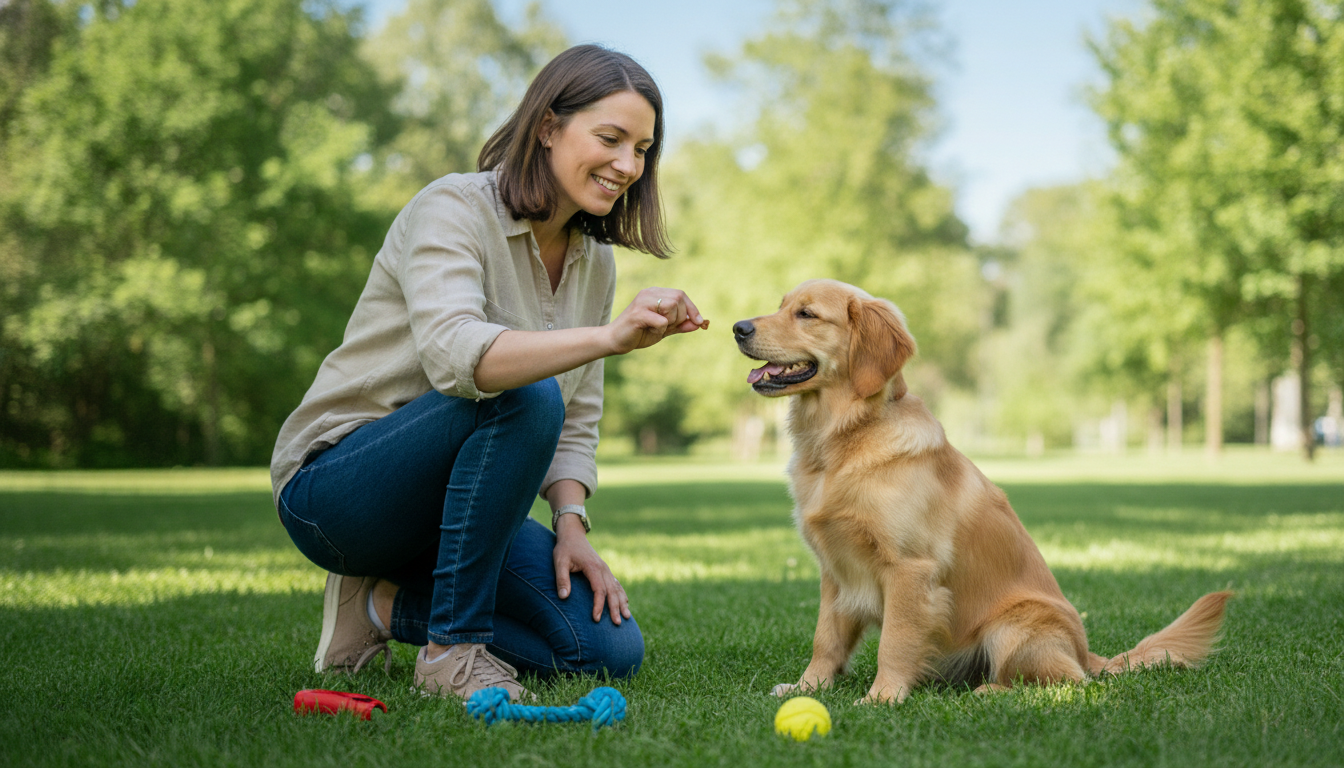
Learning how to train a dog to sit is one of the easiest ways to introduce your dog to basic training. The sit command is simple, useful in everyday life, and a great starting point for building clear communication with your dog.
You do not need complicated equipment or long training sessions. A quiet space, a few small rewards, and consistent practice are usually enough to get started.
In this guide, you’ll learn how to teach your dog to sit using positive reinforcement, how to add a verbal cue, how to practice in different situations, and what to do when training does not go as planned.
Prepare for Successful Sit Training
A little preparation can make training easier for both you and your dog. Start somewhere calm and keep your first sessions simple.
Choose a Quiet, Low-Distraction Area
Begin indoors or in another familiar place where your dog feels comfortable.
Turn off distractions when possible and avoid starting near other pets, visitors, toys, or anything that may compete for your dog’s attention.
Once your dog understands the sit command in a quiet environment, you can gradually practice in more distracting places.
Choose a Reward Your Dog Enjoys
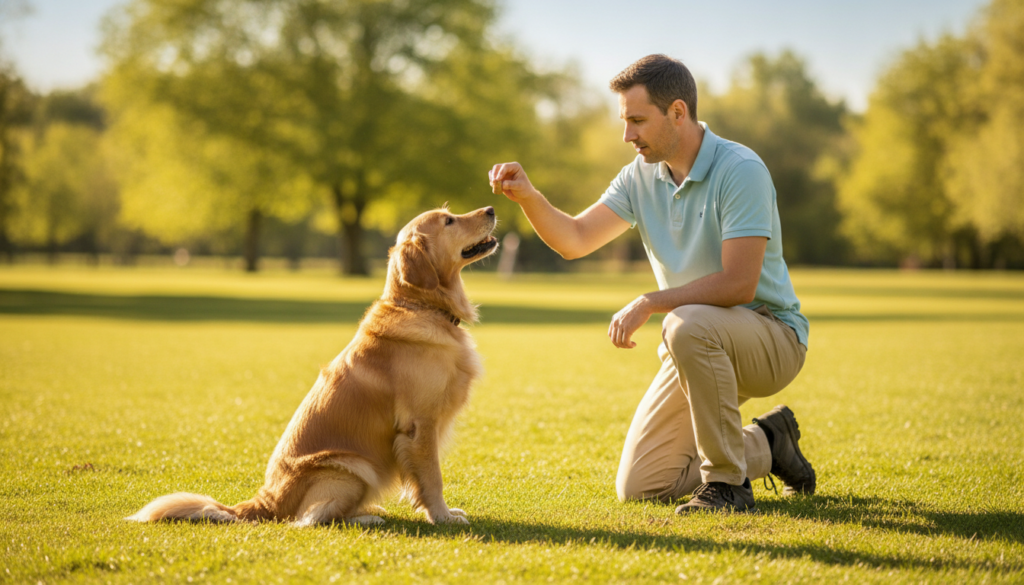
Small treats can make the learning process easier because you can reward your dog immediately after the correct behavior.
Keep the rewards small so your dog can eat them quickly and continue training.
Food is not the only option. Some dogs respond well to praise, toys, or a short moment of play.
Keep Training Sessions Short
Long sessions can become frustrating or boring.
Start with only a few repetitions at a time. You can practice several short sessions throughout the day rather than trying to teach everything at once.
Training usually works better when your dog is calm, alert, and interested in interacting with you.
How to Train a Dog to Sit Using Positive Reinforcement
There are several ways to teach a sit, but one of the simplest is to guide your dog into the position and reward the behavior immediately.
Mark the Moment Your Dog Sits
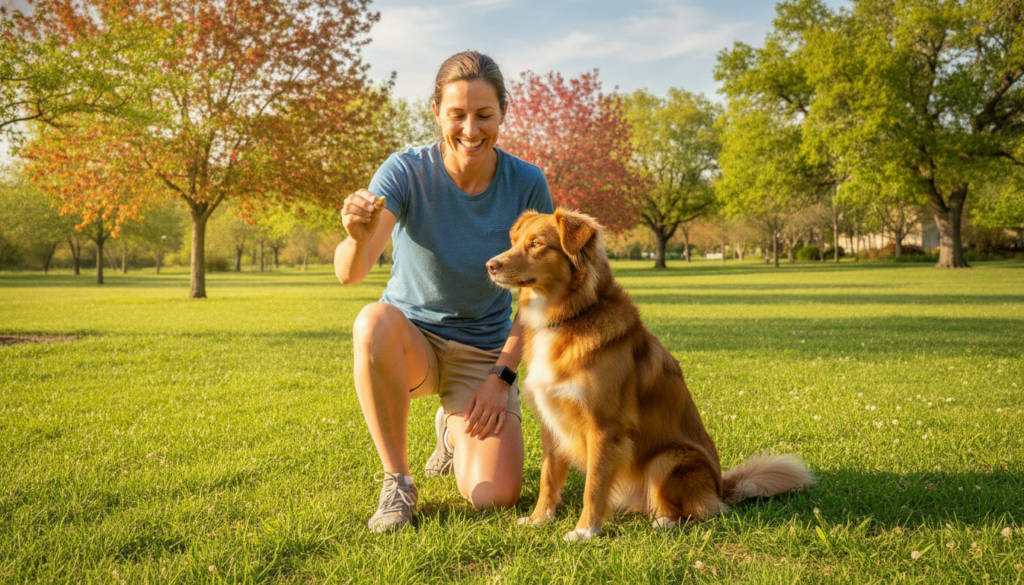
As soon as your dog’s rear touches the floor, mark the behavior.
You can use a simple word such as:
“Yes!”
or use a clicker if your dog is already familiar with one.
The timing matters. Try to mark the behavior at the moment your dog completes the sit.
Reward Immediately
Give the reward immediately after marking the behavior.
This helps your dog understand which action earned the reward.
Repeat the exercise a few times, then give your dog a break.
Add the Verbal “Sit” Cue
Once your dog is regularly following the hand movement into a sitting position, you can begin adding the verbal cue.
Say “Sit” Before the Movement
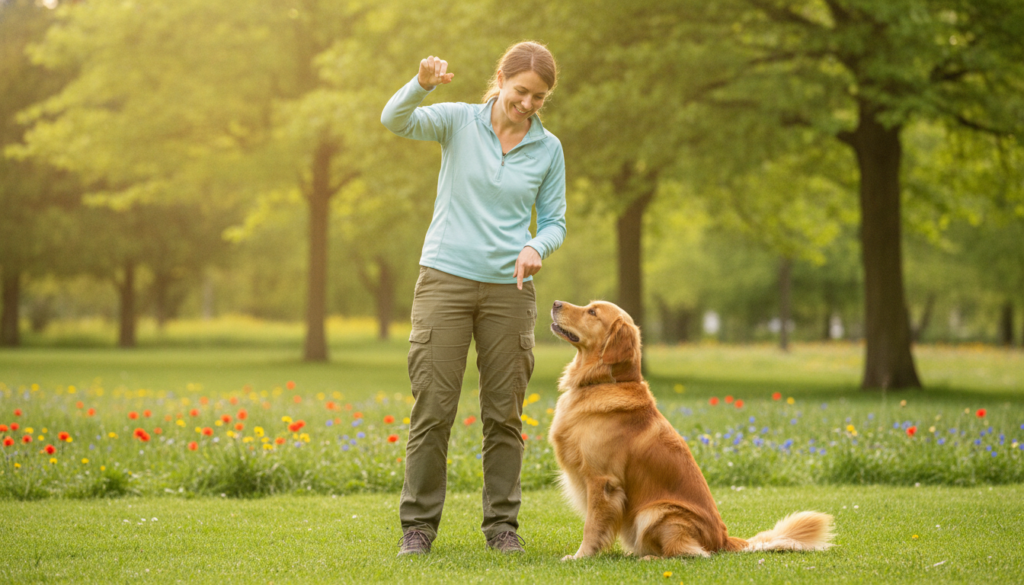
Say “Sit” clearly once.
Then use the same hand movement you used during the earlier practice.
When your dog sits, mark and reward the behavior.
With repetition, your dog can begin connecting the word “sit” with the action.
Avoid Repeating the Cue
Try not to say:
“Sit, sit, sit, sit.”
Give the cue once and allow your dog a moment to respond.
Repeating the word many times can make it less clear.
If your dog does not respond, simply reset and try again.
Gradually Reduce the Food Lure
Once your dog understands the movement, start using the same hand motion without holding a visible treat.
Reward after the dog sits.
Over time, the hand signal and verbal cue can replace the food lure.
The goal is for the reward to come after the behavior rather than becoming something your dog must see before responding.
Practice the Sit Command in Short Sessions
Consistency matters more than doing large numbers of repetitions.
Try three to five successful repetitions, then take a break.
You can practice again later in the day.
If your dog begins losing interest, looking away, or becoming overly excited, ending the session can be more productive than continuing.
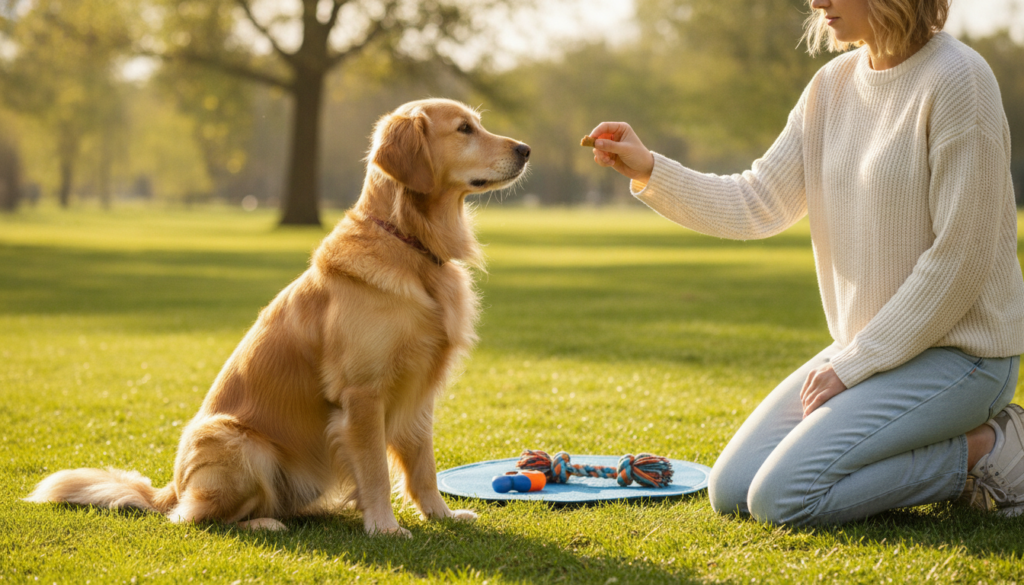
Reward Progress
Your dog does not need to become perfect immediately.
Reward successful sits and keep the experience positive.
As your dog becomes more reliable, you can gradually use different rewards such as praise, play, or occasional treats.
End the Exercise Clearly
After your dog sits and receives the reward, use a simple word such as:
“Okay” or “Free.”
This helps make the end of the exercise clear.
Detailed stay training can be introduced separately once your dog already understands basic cues.
Use Sit Training in Everyday Life
Once your dog understands the command, practice outside formal training sessions.
This helps your dog learn that “sit” means the same thing in different situations.
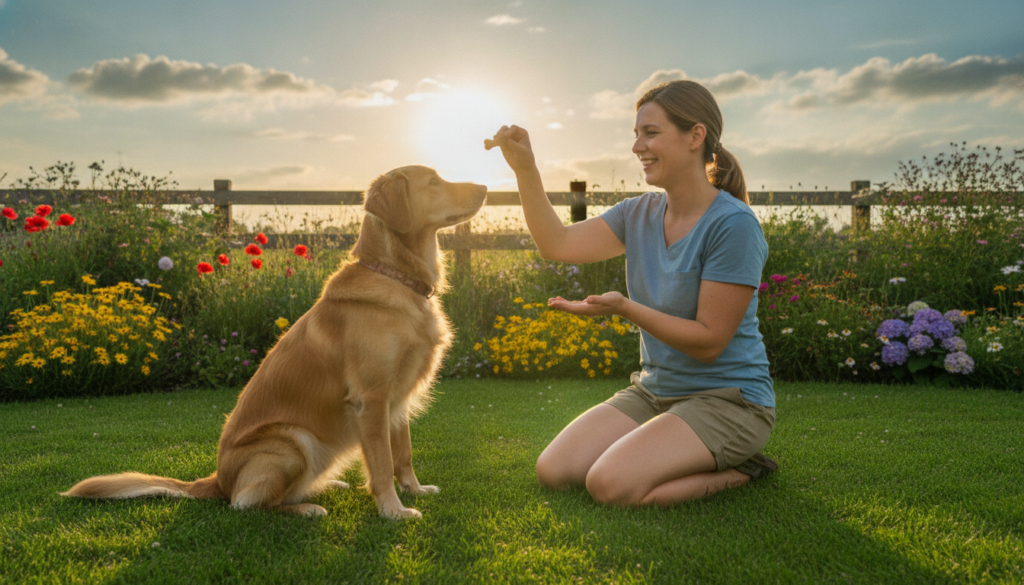
Ask for a Sit Before Meals
You can ask your dog to sit briefly before placing their food bowl down.
Keep the exercise simple and calm.
Practice Before Walks
Ask your dog to sit before attaching the leash or opening the door.
This can help create a calmer routine before going outside.
Practice Before Play
Before throwing a toy or starting a game, ask for a quick sit.
Your dog begins learning that calm behavior can lead to enjoyable activities.
Practice Around Visitors
Once your dog understands the cue well, you can practice sitting when someone enters the room.
Start with calm situations before trying it around exciting visitors.
Practice With Different Distractions
Dogs often learn a command in one place and struggle to perform it somewhere new.
That is normal.
Gradually practicing in different environments helps your dog understand that the cue applies everywhere.
Start With Mild Distractions
Begin with small changes.
You might practice:
- In a different room
- Near a toy
- With another person walking nearby
- In the backyard
Do not immediately move from a quiet room to a very busy environment.
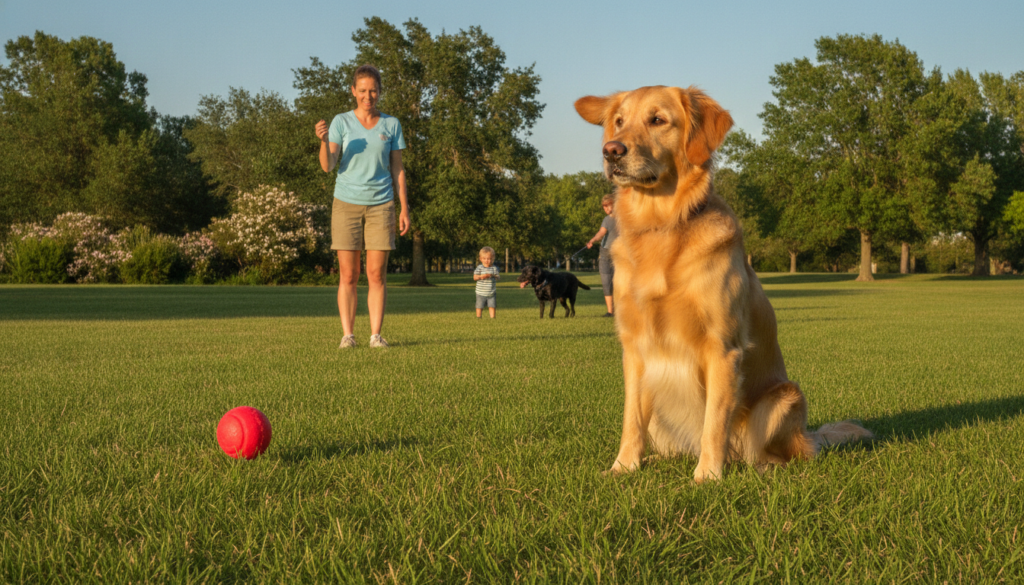
Practice on Different Surfaces
Try the command on carpet, grass, or another comfortable surface.
Some dogs may be hesitant to sit on surfaces that feel unfamiliar, slippery, wet, hot, or uncomfortable.
Gradually Increase Distance
Once your dog understands the command well, try giving the cue while standing slightly farther away.
Increase the distance slowly rather than making large changes at once.
If your dog struggles, move closer and make the exercise easier again. watch your hands. This makes training more reliable in daily life.
Common Sit Training Problems
Not every training session will go perfectly.
Here are some common problems and simple adjustments you can try.
Your Dog Jumps for the Treat
If your dog jumps toward your hand, the reward may be too high or too far away.
Keep the treat close to the dog’s nose and move your hand slowly.
If your dog becomes too excited, pause for a moment and try again when they are calmer.
Your Dog Backs Away
If your dog walks backward instead of sitting, try slowing down your hand movement.
Keep the reward close to the nose and move it slightly upward rather than pushing it too far backward.
Practicing near a wall can sometimes help prevent the dog from continuing to walk backward.
Your Dog Lies Down Instead
If your dog lies down, the position of the lure may need adjusting.
Keep your hand near nose level and move it gently upward.
Reset your dog into a standing position before trying again.
Your Dog Ignores the Reward
Your dog may be distracted, full, tired, or simply uninterested in that particular reward.
Try moving to a quieter environment or using a reward your dog values more.
You can also stop the session and try again later.
Keep Sit Training Safe and Positive
Training should help build communication rather than create frustration.
Avoid Physically Pushing Your Dog Into Position
You do not need to push your dog’s hips toward the floor.
Instead, guide the movement and reward your dog when they perform the behavior voluntarily.
Use Comfortable Training Surfaces
Some dogs may hesitate to sit on slippery or uncomfortable floors.
A rug, carpet, grass, or another stable surface may make the exercise easier.
Watch Your Dog’s Body Language
If your dog repeatedly turns away, stops engaging, or seems uncomfortable, give them a break.
Training does not need to be completed in one session.
Short, positive practice is usually easier to repeat consistently.
Final Tips for Teaching Your Dog to Sit
Teaching your dog to sit does not require complicated techniques.
Start somewhere quiet, guide your dog into the position, mark the correct behavior, and reward immediately.
Once your dog understands the movement, introduce the verbal cue and gradually reduce your reliance on the food lure.
Then practice the command in different rooms and everyday situations.
Some dogs learn quickly while others need more repetition. The important thing is to remain consistent and make training easy enough for your dog to succeed.
With regular practice, “sit” can become one of the most useful cues in your dog’s everyday routine.