
Best Fluffy Dog Breeds to Adopt in the United States.
Explore the best fluffy dog breeds to adopt in the United States and find a loving companion that matches your lifestyle, home, and care routine today.
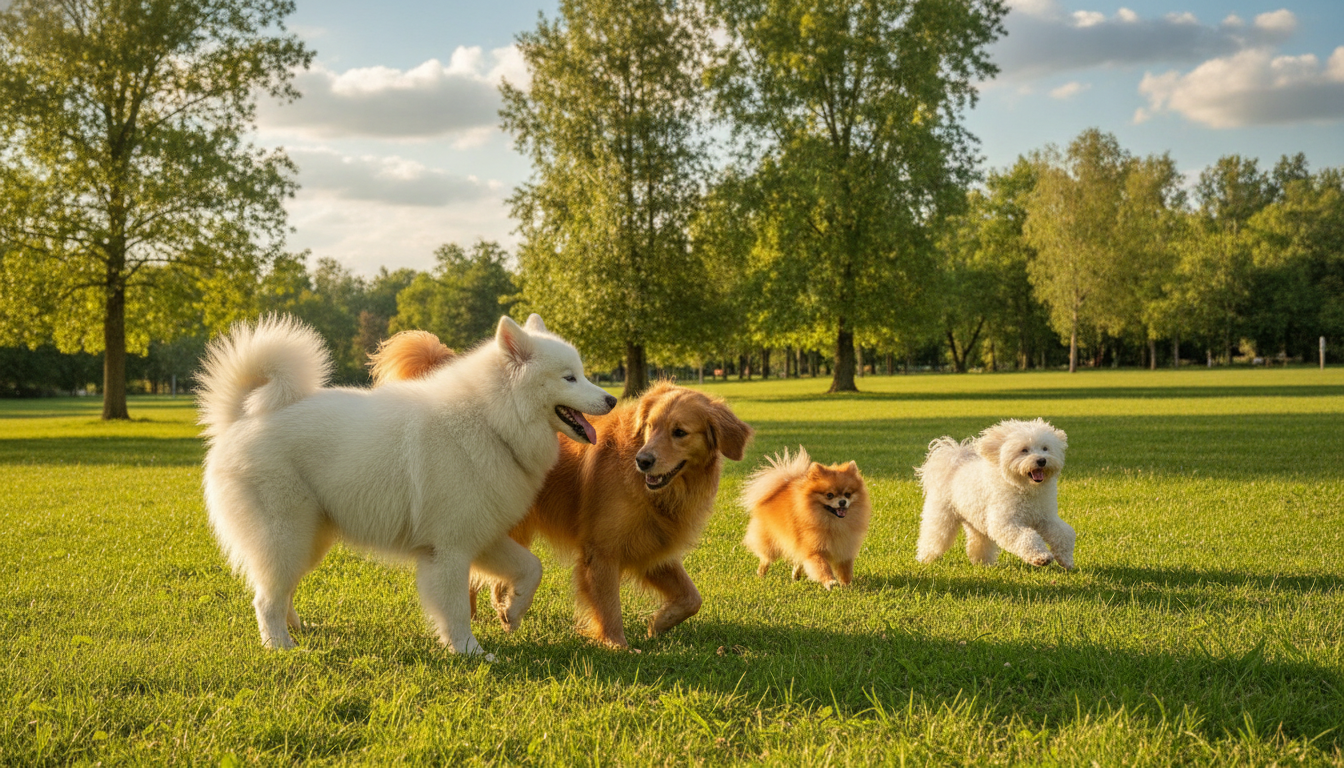
Few things feel more comforting than a fluffy dog resting beside you after a long day. Its soft coat may catch your eye, but the right match should fit your home, habits, and heart.
The best fluffy dog breeds have many sizes and temperaments. Some enjoy busy family homes, while others suit apartments or active households.
Your routine, budget, grooming skills, and dog experience all matter. This guide explores small, large, family-friendly, hypoallergenic, and easier-to-groom fluffy dog breeds.
You will also learn to adopt responsibly through local shelters and breed-specific rescues across the United States.
How to Choose the Best Fluffy Dog Breed for Your Home
Choosing a fluffy dog involves more than admiring its soft coat. Your home, schedule, budget, and experience all matter. Use this dog adoption checklist to compare breeds before adoption.
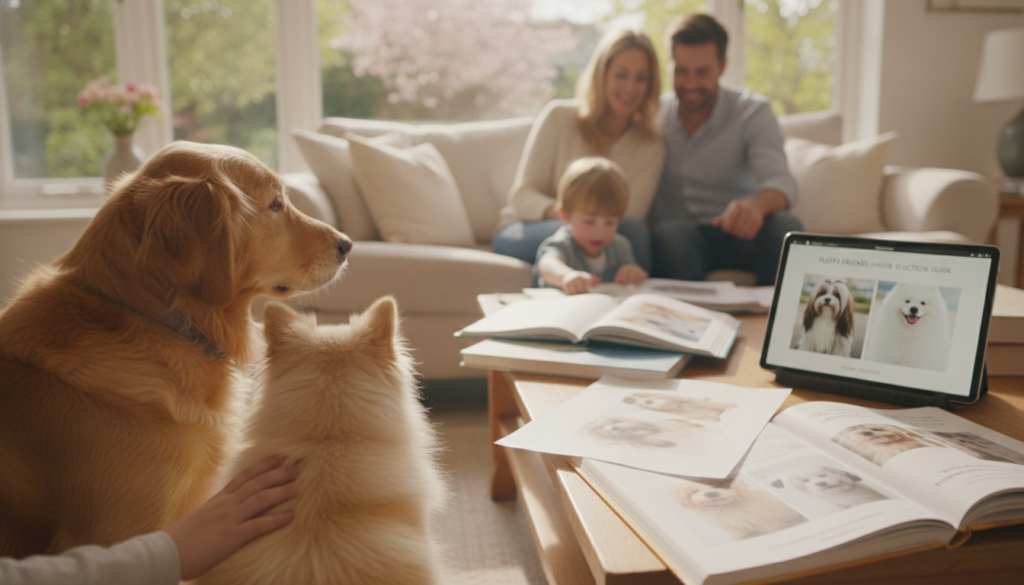
Consider Your Living Space and Daily Routine
Begin with the dog’s adult size and energy level. A small breed may fit an apartment, but some small dogs need much play and bark when bored. A large breed may need room to stretch, a secure fenced yard, and easy outdoor access.
Consider your work schedule, children, and existing pets. Dogs needing close companionship may struggle when you are away all day. Check barking habits, independence, and comfort around other animals.
Nearby parks help, but they cannot replace daily care and supervision.
Match Grooming Needs With Your Lifestyle
Coat care differs across the fluffy dog breeds list. Brushing removes loose hair and prevents mats. Bathing cleans the coat, while trimming keeps some areas neat.
Nail care supports healthy movement and belongs in your regular routine.
Some dogs shed heavily during seasonal changes, while others need year-round brushing. Ask how often the coat needs care and whether you need professional grooming. Include brushes, shampoo, nail tools, and grooming appointments in your pet budget.
Evaluate Temperament, Exercise, and Training Requirements
Assess how much exercise you can provide each day. Active dogs may need long walks, games, and training sessions. Calmer dogs may prefer shorter walks and relaxed time at home.
Your dog breed selection should match your real routine, not an ideal schedule.
Choose a temperament that fits your household. Puppies and adult dogs need socialization, clear limits, and positive reinforcement training. Ask about health risks, expected veterinary costs, and the time care requires.
Add these points to your dog adoption checklist before choosing.
Best Fluffy Dog Breeds for Families and First-Time Owners
When comparing the best fluffy dog breeds, consider temperament, care needs, and daily activity. These four breeds may fit family life, but every dog has a unique personality. Early socialization and clear routines help dogs feel safe at home.
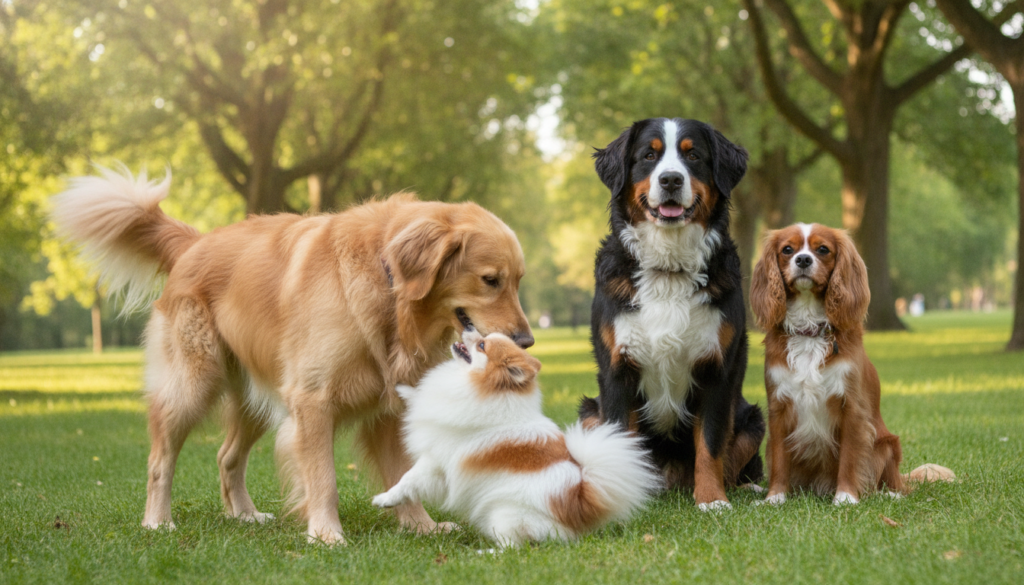
Golden Retriever
The Golden Retriever is friendly, eager to learn, and easy to motivate. These traits make it a strong choice for first-time dog owners. Daily walks, play, and training keep your dog healthy and content.
Goldens shed year-round and need regular brushing. Routine veterinary care helps track weight, joint health, and other common concerns.
Bernese Mountain Dog
The Bernese Mountain Dog has a gentle nature and stays calm around children. Because it is large, provide room, steady exercise, and careful leash training. This breed often forms a close bond with your household.
Bernese Mountain Dogs have a shorter average lifespan than many breeds. Ask your veterinarian about preventive care, joint support, and warning signs needing prompt attention.
Newfoundland
The Newfoundland is patient, affectionate, and known for loving water. Its size requires strong equipment, open space, and close supervision near pools or lakes. These family dogs can be devoted companions with steady care.
Expect heavy shedding, drooling, and frequent coat maintenance. Gentle training works well because Newfoundlands respond best to calm, consistent guidance.
Rough Collie
The Rough Collie is intelligent, alert, and sensitive to your tone. It can learn household rules quickly through reward-based training. Daily walks, mental games, and time with you help prevent boredom.
This breed has a thick coat requiring regular brushing, especially during shedding seasons. Socialization from puppyhood helps your Collie relax around guests, children, and other pets.
Fluffy Small Dog Breeds for Apartments and Smaller Homes
Many fluffy small dog breeds can thrive in compact homes when you meet their mental, social, and exercise needs. Your dog still needs daily walks, play, training, and quiet rest. Small size helps, but it does not remove your care duties.
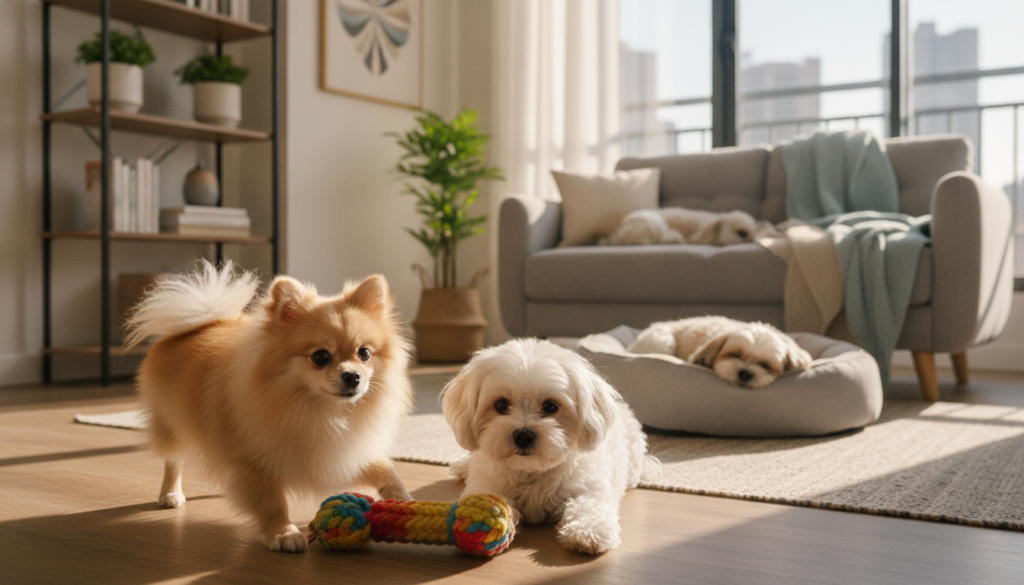
Pomeranian
The Pomeranian is alert, lively, and quick to notice new sounds. This trait can make the breed a useful apartment watchdog. Calm, early training can help guide its barking.
Its dense double coat needs regular brushing to prevent mats. Pomeranians need short walks, puzzle toys, and brief training games each day. Supervise them around young children because this small dog can be delicate.
Shih Tzu
The Shih Tzu enjoys close contact with its family. This companion-focused breed often likes relaxed walks and indoor play. It can suit apartment life with attention and a steady routine.
Its long coat needs frequent brushing and regular trims. Many owners choose a shorter pet cut to simplify care. Check the Shih Tzu’s teeth often because small breeds may develop dental buildup.
Havanese
The Havanese is cheerful, social, and eager to join family life. These traits make it one of the popular small companion dogs for people wanting an engaged pet. Gentle training can build good manners in busy homes.
This breed may struggle when left alone for long periods. Build independence with short departures and rewards for calm behavior. Daily play, simple tricks, and walks help apartment dogs stay settled and content.
Papillon
The Papillon has a small frame but impressive athletic ability. It learns quickly and often enjoys agility, fetch, and scent games. Offer varied activities to keep this intelligent breed from becoming bored.
Its fine coat needs routine brushing, but grooming is often manageable. Secure doors and close supervision matter because Papillons can move fast. With proper training and exercise, these small companion dogs can adapt well to smaller homes.
Fluffy Large Dog Breeds for Active Households
Many fluffy large dog breeds need room to move, sturdy fences, and a steady daily routine. Before bringing one home, plan for exercise, training, food, grooming, and veterinary care. A large dog may cost more to feed and treat than a smaller breed.
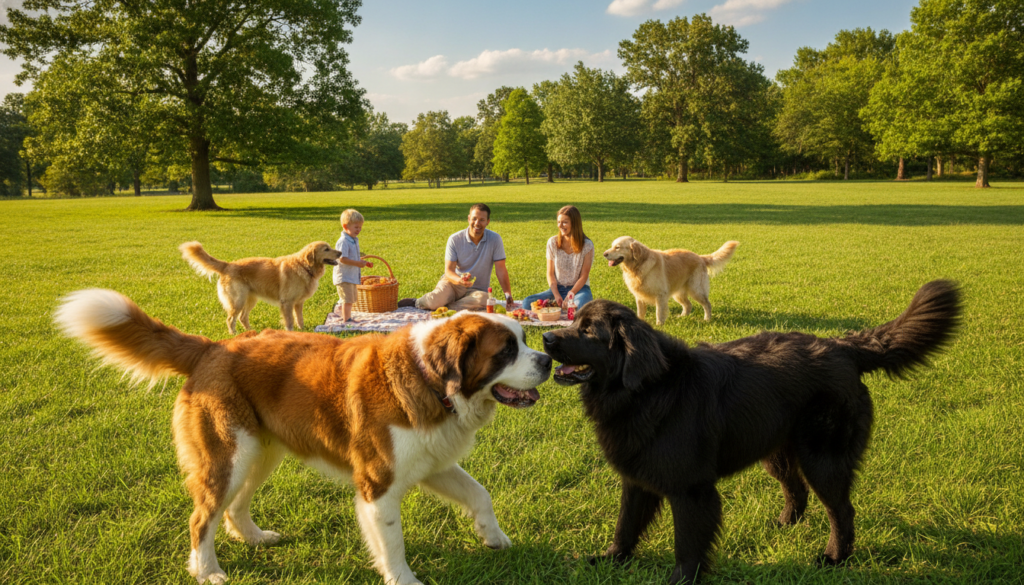
These active family dogs need leash practice and early socialization. Watch each dog around children, guests, cats, and other dogs. During large dog adoption, ask shelter staff or rescue volunteers about the dog’s home habits and energy level.
Alaskan Malamute
The Alaskan Malamute is powerful, athletic, and built for hard work. This breed often needs long walks, hiking, pulling games, and problem-solving tasks. A bored Malamute may dig, chew, or test weak fence areas.
Use firm, reward-based training from an early age. Teach polite leash skills before your dog reaches full strength. Thick fur can cause overheating, so provide shade, fresh water, and indoor rest during warm weather.
Samoyed
The Samoyed is friendly, alert, and full of energy. It often enjoys family outings, training games, and time with people. Daily activity can reduce barking and other boredom-related behaviors.
Samoyeds have dense coats that shed heavily. Brush your dog several times each week, especially during seasonal shedding. Keep exercise sessions shorter during hot weather, and never leave this breed in a warm vehicle.
Great Pyrenees
The Great Pyrenees was bred to guard livestock. It may stay calm with family members while watching unfamiliar people. Its independent nature can make recall and obedience training a long-term task.
Secure fencing matters because this breed may patrol beyond your property. Early socialization helps your dog respond to visitors with control. Give it a cool resting area because its heavy coat makes heat management difficult.
Old English Sheepdog
The Old English Sheepdog is playful, social, and strong. It may enjoy walks, fetch, and supervised games with older children. Its size and enthusiasm require clear house rules and careful play.
This breed has a substantial coat that can mat without regular brushing. Set aside frequent grooming time, and budget for professional care when needed. A home assessment before adoption can help you judge its manners, comfort level, and fit with your routine.
Popular Fluffy Dog Breeds With Friendly Personalities
Many popular fluffy dog breeds have warm, social temperaments. Golden Retrievers often enjoy meeting people and learning with their families. Cavalier King Charles Spaniels often seek close contact and gentle attention.
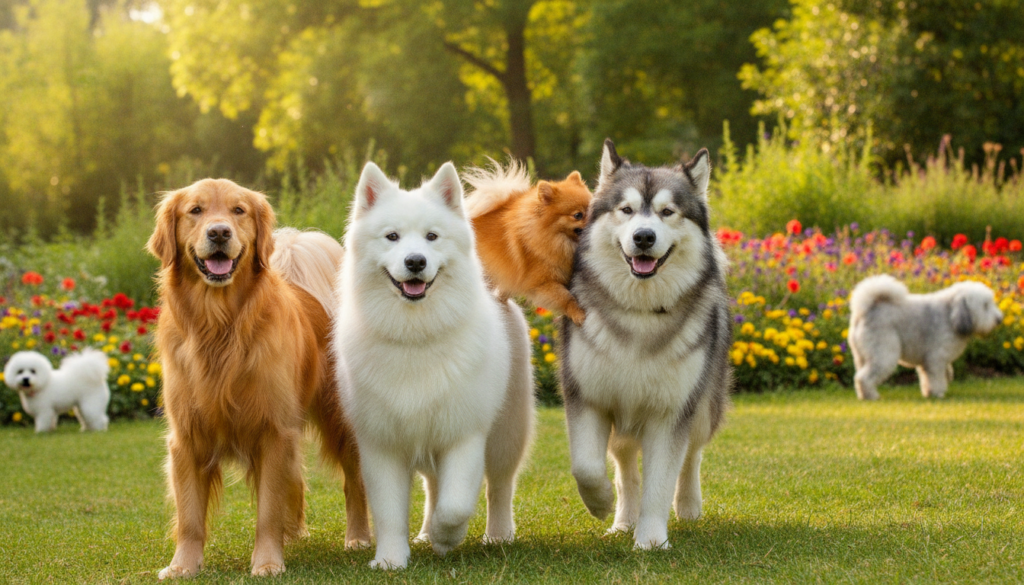
Havanese suit homes seeking an affectionate companion with a playful spirit. Samoyeds often form strong bonds with owners and may greet visitors with energy. Rough Collies are usually responsive, alert, and eager to stay near family.
Newfoundlands are famous for their calm nature and patience. Their large size requires careful training and enough room to move. These traits help explain why many people count them among friendly dog breeds.
Breed reputation cannot predict every dog’s behavior. A rescue dog may need time to feel safe, especially after stress or neglect. Even cute fluffy dogs can have unique fears, habits, and boundaries.
You can learn more through a slow, supervised introduction. Watch the dog’s response to you, household members, children, and other animals. Look for relaxed body language, steady interest, and willingness to disengage.
Ask shelter staff about daily behavior and past interactions. Foster reports can show how a dog acts at home during meals, play, and quiet time. Give the dog space, follow professional guidance, and choose a pace that supports trust.
Fluffy Hypoallergenic Dog Breeds to Consider
No dog is completely hypoallergenic. Allergens come from dander, saliva, urine, and skin oils, not hair alone. Still, some fluffy hypoallergenic dog breeds may release fewer loose particles in your home.
Meet a specific dog before adoption. Your response may differ from your reaction to the breed. Allergy-aware adoption should include a discussion with your doctor about testing, medication, and home care.
Barbet
The Barbet has a dense, curly coat that traps loose hair and dander. Its coat needs frequent brushing to prevent mats. Regular trims can make daily care easier.
Expect a friendly, social dog that needs exercise and human contact. A Barbet may suit an active household offering walks, play, and reward-based training.
Portuguese Water Dog
The Portuguese Water Dog is athletic, bright, and eager to work. Its curly or wavy coat sheds less than many common breeds. You still need frequent brushing and professional grooming.
This breed may enjoy swimming, hiking, and dog sports. Provide daily activity and mental challenges. Without enough engagement, its energy may cause unwanted behavior.
Soft Coated Wheaten Terrier
The Soft Coated Wheaten Terrier has a soft, wavy coat with low shedding. Its hair can tangle, so brush it gently each week. A groomer can maintain a neat trim.
Wheatens bring a playful terrier temperament into the home. They can be cheerful, curious, and determined. Early training guides their excitement around guests, pets, and new places.
Standard Poodle
The Standard Poodle is among the best-known low-shedding dogs. Its curly coat may reduce loose hair in your home. However, it needs regular brushing and professional grooming every few weeks.
This breed is highly intelligent and learns quickly. Offer clear training, daily exercise, and puzzle-based play. A medical professional can help create an allergy plan, while frequent cleaning reduces dander on floors, bedding, and furniture.
Cute Fluffy Dogs That Are Easier to Groom
Cute fluffy dogs can fit many homes, but every coat needs regular care. Even easy-care fluffy dogs need brushing, skin checks, and basic hygiene. Coat length, texture, density, matting risk, and shedding patterns shape weekly care time.
Understanding Coat Types and Shedding
A smooth double coat may shed heavily during seasonal changes. A long, silky coat can collect dirt and tangle near the ears, legs, and tail. Curly coats often shed less at home, but loose hair can remain trapped near the skin.
Use a slicker brush for surface tangles and a metal comb for deeper layers. An undercoat rake can lift loose hair from dense coats, but use gentle pressure. Stop if your dog shows pain, redness, or stress.
Simple Grooming Routines for Fluffy Dogs
Set a short routine that matches your dog’s coat. Brush two or three times each week, or daily when the coat mats easily. Check behind the ears, under the collar, between the legs, and around the tail.
- Wipe or bathe your dog when dirt or odor builds up.
- Trim excess hair around the paw pads for better traction.
- Check ears for wax, redness, or a strong smell.
- Trim nails before they become long and uncomfortable.
- Inspect the skin for bumps, flakes, fleas, or tender spots.
Use dog-safe shampoo and rinse well. Introduce each tool in small steps. Give treats and calm praise during dog coat grooming, especially when your pet stays relaxed.
When to Use a Professional Groomer
A professional groomer can help with dense, curly, matted, or continuously growing coats. Regular appointments may prevent painful mats and keep the skin clean. Groomers can handle sanitary trims, paw shaping, coat drying, and careful detangling.
Choose a groomer who explains each service and uses gentle handling. Start with a short visit if your dog feels nervous. At home, keep sessions calm and brief so grooming becomes familiar daily care.
How to Adopt a Fluffy Dog in the United States
Begin with local animal shelters, municipal facilities, and foster-based groups. Many dogs need homes after housing changes, illness, or family hardship. Visiting a shelter lets you meet dogs and find one that fits your routine.
Use a fluffy dog breeds list to guide your search, not limit it. Breed traits help you ask better questions, but each dog has a unique history. Reputable United States dog rescues should clearly explain adoption steps, fees, and return policies.
Search Local Shelters and Breed-Specific Rescues
Check city shelters, county facilities, and established rescue groups. Breed-specific rescues may help you find Samoyeds, Pomeranians, or Rough Collies. Read each group’s application rules before applying.
- Look for clear contact details, adoption policies, and dog records.
- Expect reasonable fees that support vaccines, medical care, food, and shelter.
- Avoid sellers who demand fast payment, refuse a meeting, or use copied photos.
- Do not send money for a dog you cannot see through a trusted organization.
Ask to meet the dog in a safe setting. A foster home may reveal habits hidden in a kennel.
Prepare Your Home Before Adoption
Before you adopt a fluffy dog, secure fences, gates, windows, and doors. Set up a crate or quiet resting area with a washable bed. Buy food matching the dog’s current diet, plus bowls, a leash, identification tags, and safe enrichment toys.
Keep brushes, combs, nail tools, and coat-safe shampoo ready for daily care. Book a veterinary visit during the first week. Your veterinarian can review records, check the coat and skin, and plan future care.
Ask About Health, Behavior, and Grooming History
Ask for vaccination records and confirm whether the dog is spayed or neutered. Request details about medical conditions, medicines, allergies, and past injuries. Ask how the dog behaves around adults, children, dogs, cats, and unfamiliar visitors.
Learn about separation concerns, bite history, house training, and sleep habits. Ask whether the dog accepts brushing, bathing, nail care, and handling. Find out what helps the dog adjust during the first few weeks, so you can provide steady routines and patient support.
Conclusion
Choosing among fluffy dog breeds takes more than picking the cutest coat. Consider temperament, adult size, exercise needs, grooming time, and common health concerns. The best fluffy dog breeds should fit your routine, home, budget, and dog experience.
Breed traits can guide your search, but every dog has a unique history and personality. Ask shelter staff about behavior, medical needs, training, and coat care. This helps you make a responsible dog adoption choice based on both the dog and breed.
Before adoption, prepare your home and plan for food, supplies, grooming, training, and veterinary care. After your dog arrives, provide steady exercise, enrichment, social time, and routine checkups. With patience and lifelong care, your fluffy companion can become a healthy, valued family member.