
How to Train a Dog to Come Every Time You Call.
Learn how to train a dog to come every time with positive reinforcement, clear cues, practice, and proven recall techniques for safer adventures outdoors.
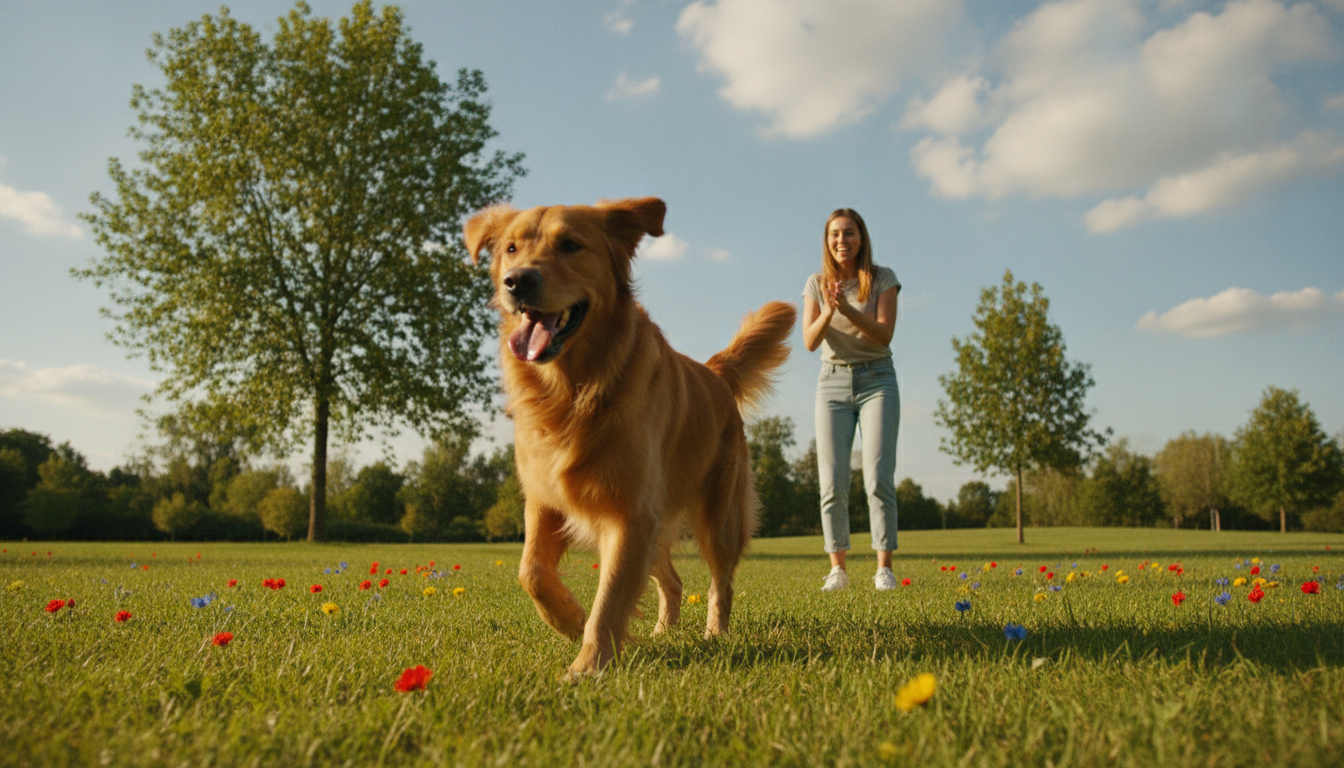
Few moments feel more frightening than seeing your dog run toward danger and ignore your call. A strong recall helps you act fast. It can bring your dog back before a busy road, strange animal, or open gate causes harm.
Learning how to train a dog to come takes more than one practice session. Your dog needs clear communication, positive reinforcement, gradual challenges, and steady handling. With the right approach, coming to you becomes a safe, rewarding choice.
This guide shows how to train a dog to come with valuable rewards, a consistent cue, and a long line. You will learn to manage distractions, avoid common mistakes, and build dependable responses before off-leash practice.
Why a Reliable Dog Recall Matters
Reliable dog recall training lets you call your dog away from traffic, open gates, unsafe animals, and harmful objects. It gives you control when your dog approaches danger or enters an unfamiliar place.
Strong dog recall training supports safer walks, hikes, trips, and visits to outdoor spaces. It can ease travel and help your dog stay calm during veterinary handling or daily care.
No recall works in every situation. Still use a leash near roads, secure fencing at home, and local leash rules in public areas. Ongoing practice helps your dog respond with greater speed and focus when you call.
How to Train a Dog to Come Using the Right Training Setup
Good preparation makes each lesson clear and safe. Before adding distance or distractions, prepare rewards, choose one recall cue, and find a safe space.
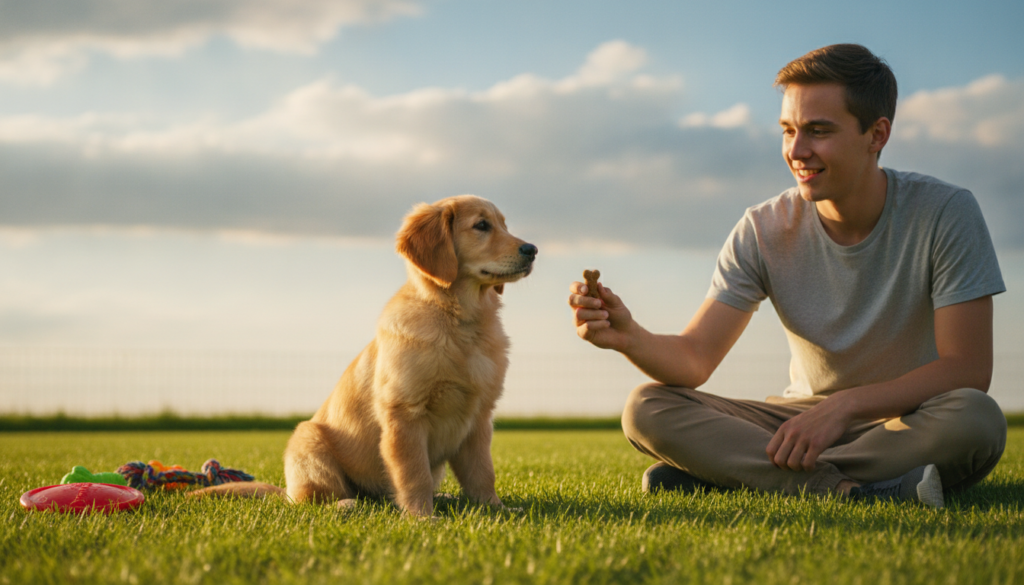
Choose High-Value Rewards and a Consistent Recall Cue
Use rewards your dog loves. Small pieces of cooked chicken, cheese, freeze-dried meat, or a favorite toy can support teaching a dog to come when called. Keep each piece small so your dog can enjoy many rewards during one session.
Consider your dog’s diet, allergies, and daily calorie needs. Ask your veterinarian about safe choices if your dog has a health condition.
Choose one short cue, such as “come” or “here.” You can say your dog’s name, followed by “come.” Use the same cue each time, with a warm, clear voice.
Practice in a Quiet, Low-Distraction Environment
Start indoors, where your dog feels comfortable and has fewer reasons to wander. A hallway or quiet room can provide enough space for early practice. Move to a securely enclosed yard when your dog responds well inside.
Keep toys, food, and household activity to a minimum at first. This calm setup helps your dog focus on you and build a strong response to the cue. Short sessions often work better than long drills.
Use a Long Line for Safe Recall Training
When practicing outdoors, use a properly fitted harness or collar with a long line. This setup lets your dog explore while preventing unwanted escapes. It supports teaching a dog to come when called without letting your dog rehearse running away.
Choose a durable long line that suits your dog’s size and training area. Hold it with a relaxed grip, and never wrap it around your hand.
Watch for trees, fences, and other hazards that could catch the line. Give your dog room to move while keeping enough control to guide a safe return.
Teaching a Dog to Come When Called Step by Step
A strong recall grows from trust and clear timing. Effective ways to teach your dog to come on command include making the recall word predict something pleasant. Keep your voice bright, rewards ready, and each practice session brief.
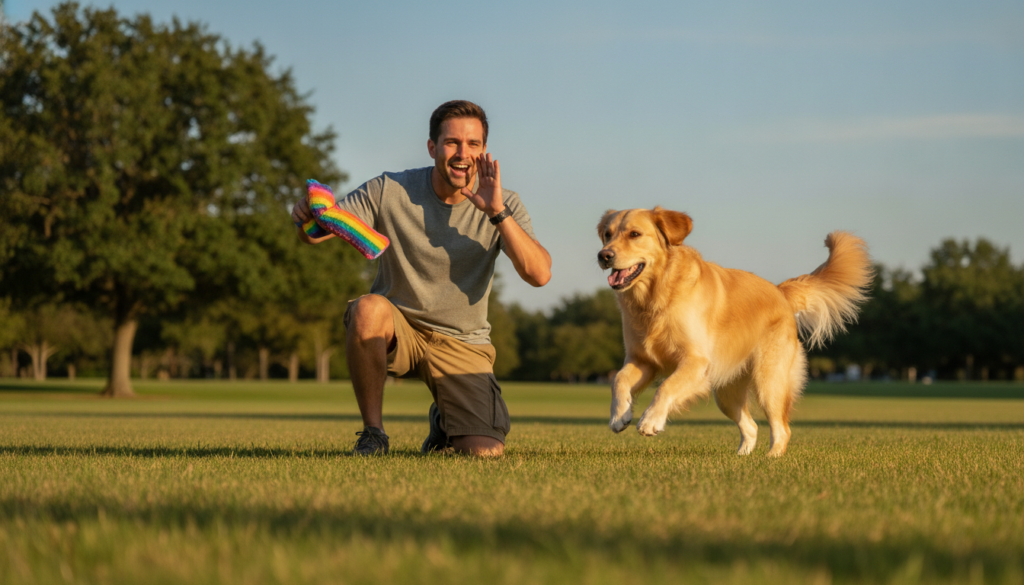
Build Positive Associations With the Recall Word
Choose one cue, such as “come,” and say it cheerfully when your dog looks at you. Give a small, tasty reward at once. Do not ask your dog to move yet; repeat this pattern until the word feels positive.
Offer the reward close to your body to encourage your dog to return all the way. Add warm praise, such as “Good come!” When it fits the situation, release your dog to a toy, sniffing, or another fun activity. This shows that coming does not always end the fun.
Begin With Short Distance Recall Games
Start indoors, where distractions are low. Ask another person to sit a few feet away and take turns calling your dog. Each person should use the cue once, reward a quick response, and offer calm praise.
Play a hallway recall game with two people. Call your dog, reward the arrival, and let the other person call next. Practice alone by taking a few steps backward as your dog follows, then reward them near your legs.
Keep the distance short enough for success. If your dog pauses, crouch down, use an inviting tone, or move closer. Avoid calling again and again because repeated cues can teach your dog to wait before responding.
Increase Distance and Difficulty Gradually
Raise only one challenge at a time. Add distance indoors, move to a new room, or introduce a mild distraction. Give your dog time to respond before making the next change.
Practice in safe outdoor areas with a leash or long line. Change the location, lengthen the pause, and add distractions in small steps. These are effective ways to teach your dog to come on command without creating confusion.
If your dog hesitates or ignores the cue, make the task easier. Shorten the distance, reduce distractions, or return to a familiar room. Reward the next successful response and build from that level.
Positive Reinforcement for Recall Training
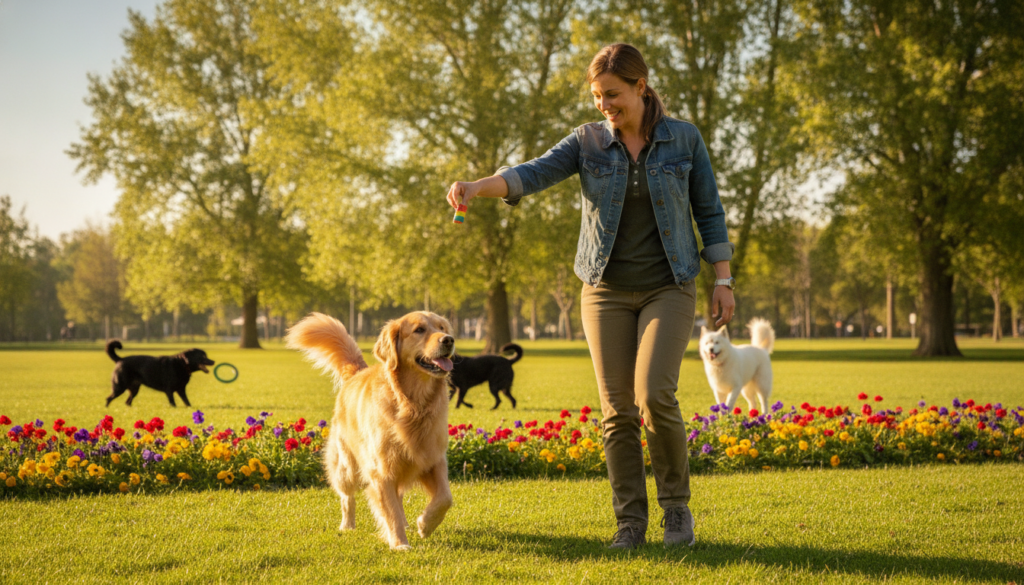
Positive reinforcement for recall training gives your dog something valuable after the desired response. This timing helps your dog connect coming when called with a good outcome. It makes the behavior more likely to happen again.
Reward the entire recall, not only the first glance. Your dog should turn toward you, come all the way, and let you touch its collar or harness. Choose small treats, a favorite toy, praise, or a short play session based on what motivates your dog.
You can reward your dog with safe sniffing or permission to return to a favorite activity. These rewards keep recall useful without making every response depend on food. Vary the rewards and give generous praise for important recalls.
Never scold, grab roughly, or punish your dog after a slow response. These reactions can make returning to you feel unsafe. Calm praise and positive reinforcement for recall training protect trust and keep the recall cue appealing.
Training Techniques for Recall Around Distractions
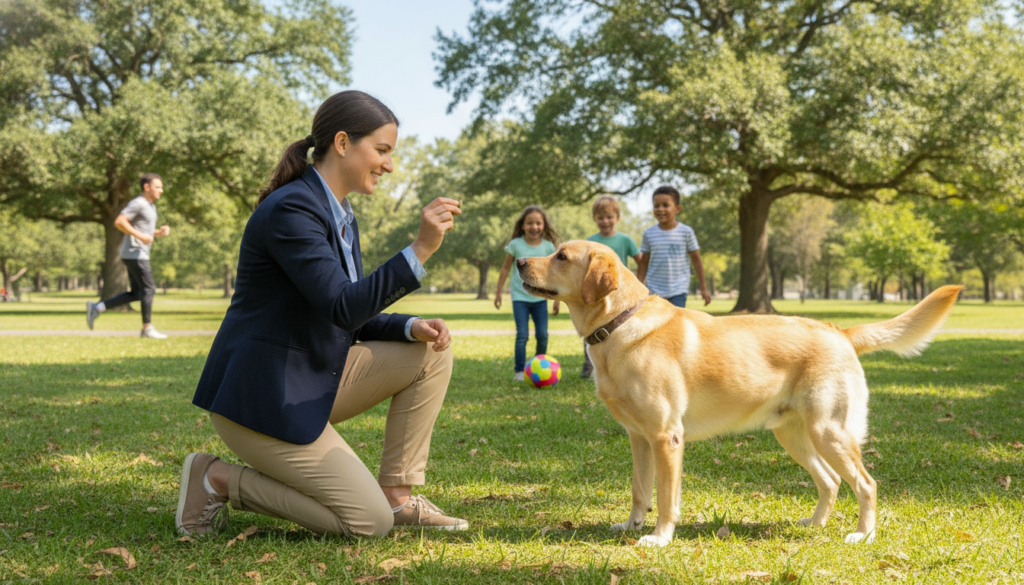
Once your dog responds in a quiet place, add mild distractions one small step at a time. These training techniques for recall teach your dog to focus on you as the world grows more interesting. Keep your dog on a leash or long line during every practice session.
Practice Near Mild Distractions First
Place a favorite toy on the floor, or ask a family member to walk nearby. Practice outside with light activity or distant dogs in view. Stay far enough away for your dog to notice the distraction and still respond.
If your dog ignores the cue, move farther from the distraction. Speak calmly and make the next attempt easier. These training techniques for recall work best when your dog succeeds often.
Reward Fast and Complete Responses
Reward your dog as soon as they turn toward you. Praise steady movement and give a high-value treat when your dog reaches you. Your dog should come all the way in, not stop several feet away.
Use small pieces of chicken, cheese, or another favorite food. A quick response should earn a better reward than a slow one. This clear pattern makes recall more valuable than the nearby distraction.
Use Emergency Recall Training
Choose a unique word or sound for serious situations. Pair it with highly valuable rewards, such as roast chicken, and practice sparingly in easy settings. Never use this cue for routine recalls or casual tests.
Keep emergency recall training calm and brief. Use it only when your dog must leave danger at once. These training techniques for recall protect the cue’s meaning and keep your dog ready to respond.
Common Recall Training Mistakes to Avoid
Repeating a recall cue can weaken its meaning. If your dog ignores the first call, do not repeat it again and again. Move closer, reduce distractions, or use a long line to guide a safe response.
Do not call your dog only when play ends, the leash comes out, or a bath is next. Your dog may learn that coming to you ends good things. While building a strong recall with your dog, call, reward, and release your dog back to fun.
An angry tone can make your dog avoid you. If your dog runs away, do not chase. Chasing can turn recall into a game and encourage more running.
Move away from your dog, lower your body, and use an upbeat voice. Reward each approach, even if your dog takes time to respond. Reaching over a nervous dog can feel threatening and cause more avoidance.
Expecting a perfect response near busy parks, wildlife, or other dogs is a common mistake. Build a strong recall with your dog by adding distractions in small steps. Practice in safe areas before asking for a response in difficult settings.
Do not practice recall without safe management. Use a fenced area or a long line when needed. Near roads, wildlife, or serious hazards, never rely on recall alone.
Avoid calling your dog for an unpleasant procedure while recall is still new. If a negative event follows each call, pause those cues and rebuild trust with easy games, praise, and valuable treats.
Tips for Improving Your Dog’s Recall Over Time
Reliable recall grows through calm, regular practice. Use the cue during walks, play, household routines, and secure yard time. Keep each return positive so your dog expects good things when coming to you.
Keep Training Sessions Short and Consistent
Plan several brief practice sessions each day. A few successful recalls help more than one long session that causes fatigue or frustration.
Use your recall cue in different places and at varied distances. These routines can help you improve your dog’s recall while keeping training natural and easy to repeat.
Make Coming to You More Rewarding
Refresh the cue’s value from time to time. Offer a special treat, a favorite game, warm praise, or permission to sniff after your dog returns.
Do not call your dog only to end fun or begin an unpleasant task. These tips for training your dog to come work best with enjoyable rewards.
Know When Your Dog Is Ready for Off-Leash Practice
Start off-leash work only in a secure, legal, enclosed area. Your dog should respond reliably on a long line in several locations and around different distractions.
Carry rewards and keep using safe management as skills improve. Recall needs regular maintenance, even after your dog performs well. If your dog ignores the cue, reduce the distance or distraction and rebuild success.
Conclusion
Learning how to train a dog to come takes clear cues, useful rewards, and steady practice. Start in a quiet area, then add distance and mild distractions after your dog responds well.
Effective recall training works best when you reward every good return. Use praise, treats, or play to make coming to you worthwhile. Short sessions and calm repetition build trust without tiring your dog.
A reliable dog recall also needs safe management. Use a leash, long line, or secure fenced area until your dog responds consistently. Watch for traffic, wildlife, and other hazards as you build a dog that chooses to return.