
Discover Popular Australian Dog Breeds in the United States.
Explore australian dog breeds popular in the United States and learn how to choose the right companion for your lifestyle, home, and family with confidence.
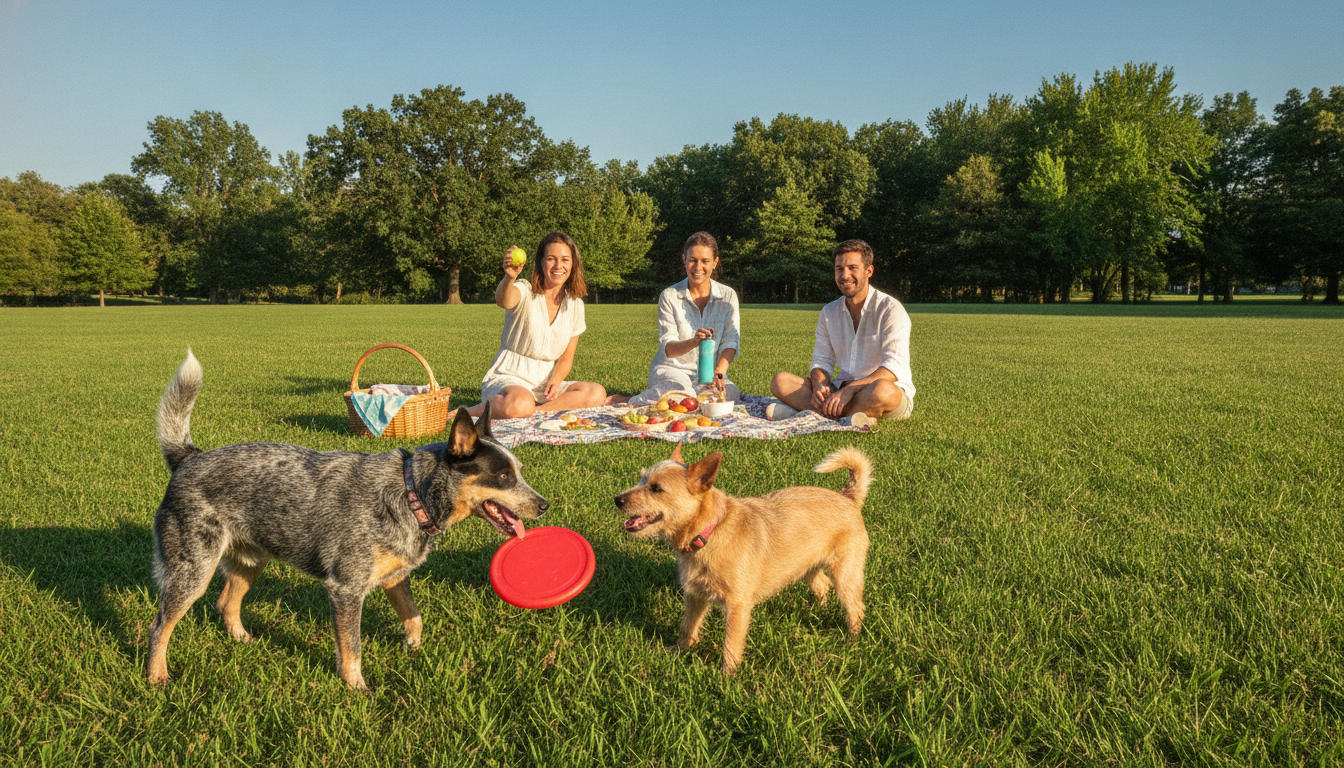
Choosing a dog can feel like welcoming a new heartbeat into your home. You want a companion whose energy, size, and nature fit your daily life, not merely a breed that catches your eye.
Australian dog breeds offer personalities and needs; the Australian Terrier, Kelpie, and Dingo have different traits, histories, and care needs. The Australian shepherd is bright, loyal, and active; the Australian cattle dog is driven, alert, and built for hard work.
These dogs vary in size, trainability, grooming, exercise needs, and legal status. As you compare them, consider your home, activity level, training experience, family needs, and time for daily care. The right match can become a steady companion for many years.
Why australian dog breeds Are Popular in the United States
australian dog breeds appeal to many American households because they combine intelligence, loyalty, athleticism, and a strong work ethic. These dogs often learn quickly and form close bonds with their owners. Their varied sizes and temperaments suit many homes.
Before choosing a breed, consider your routine and living space. An Australian Shepherd may suit an active family that enjoys hiking, running, training, or outdoor games. An Australian Terrier may suit a household wanting a smaller companion with a lively nature.
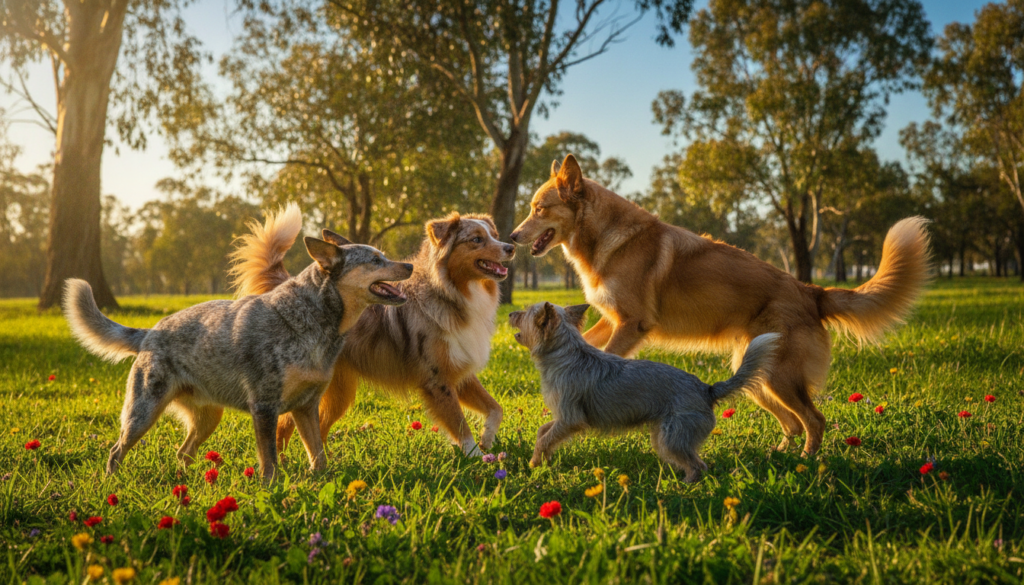
How Australian breeds fit different lifestyles
Many of these dogs show working dog characteristics, including focus, stamina, and problem-solving skills. These traits can support obedience training, dog sports, and long walks. Without enough exercise or a clear routine, they may create challenges.
Active dog breeds often need more than a short walk around the block. You may need to offer fetch, scent games, puzzle toys, or structured training. Families who enjoy outdoor time may find engaged and loyal companions in these dogs.
Some Australian breeds can become devoted family dogs with guidance and socialization. Teach children to respect the dog’s space, and supervise their play. A calm home routine can help your dog settle between activities.
What to consider before choosing an Australian dog
Review your schedule, experience, and home before choosing a dog. A secure, fenced yard may help, but it cannot replace daily exercise or human attention. Consider your tolerance for barking, shedding, digging, and a strong prey drive.
- Estimate the time you can give to exercise and training each day.
- Check whether your grooming routine can meet the breed’s coat needs.
- Consider your training experience and comfort with herding behavior.
- Confirm access to a trusted veterinarian and routine preventive care.
- Match the dog’s energy level with your household and outdoor space.
Breed descriptions offer useful guidance, but every dog has an individual personality. When possible, meet adult dogs, ask about health history, and discuss daily care with a responsible breeder or rescue group. A careful match supports a safer, more rewarding relationship.
Australian Shepherd: A Smart and Active Family Companion
The australian shepherd is known for intelligence, loyalty, and strong family bonds. This sensitive breed may notice your mood and seek contact with trusted people. With proper guidance, it can become a devoted active family dog.
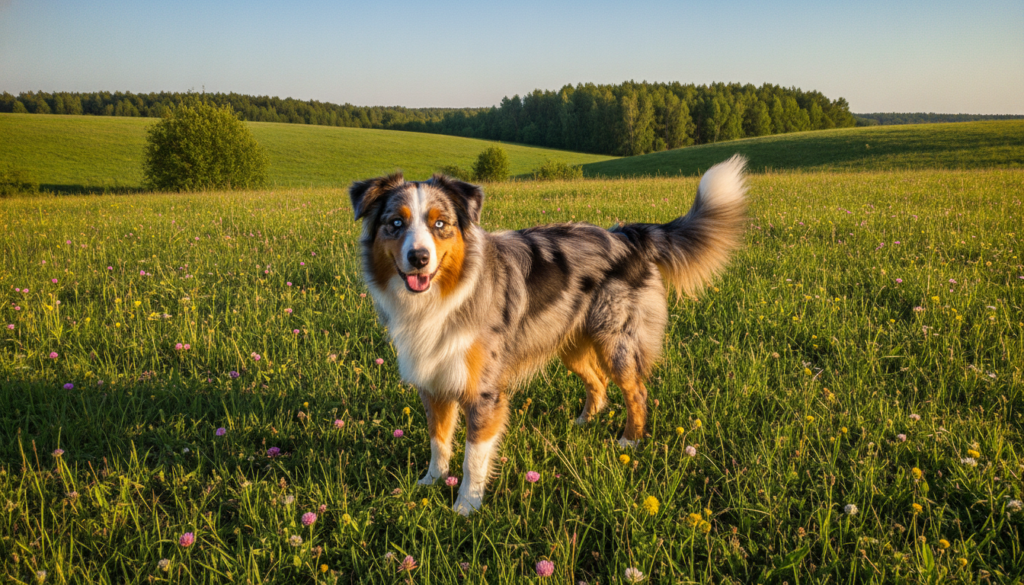
Australian Shepherd temperament and personality
This herding dog often learns new skills quickly. It may stay alert at home and follow you between rooms. Early socialization helps your dog accept guests, children, pets, and busy public spaces.
This breed is sensitive, so harsh correction can damage trust. Calm rules, praise, and clear routines encourage better behavior. Reward-based training builds your australian shepherd’s confidence and strengthens your relationship.
Exercise, training, and mental stimulation needs
Your dog needs daily physical activity beyond a short walk. Fetch, hiking, jogging, and safe off-leash play can meet its exercise needs. A fenced yard helps, but it cannot replace time with you.
Mental work matters just as much. Food puzzles, scent games, obedience practice, and trick training keep your dog focused. Agility and herding activities offer a useful outlet for an athletic herding dog.
Short training sessions suit this active family dog. Practice recall, leash skills, and calm greetings early. End every session with a reward to keep learning positive.
Grooming and common health considerations
Australian Shepherd grooming begins with regular brushing. The medium-length double coat may collect dirt and mat around the ears, legs, and tail. Brush several times weekly, especially during seasonal shedding.
Routine care includes nail trims, ear checks, dental care, and occasional baths. Responsible breeders screen dogs for hip and elbow dysplasia, hereditary eye disease, epilepsy, and medication sensitivities. Ask your veterinarian which tests and health records suit your dog.
Regular checkups can reveal changes in movement, vision, behavior, or energy. A balanced diet, safe exercise, and steady Australian Shepherd grooming support your dog throughout life.
Australian Cattle Dog and Blue Heeler Traits
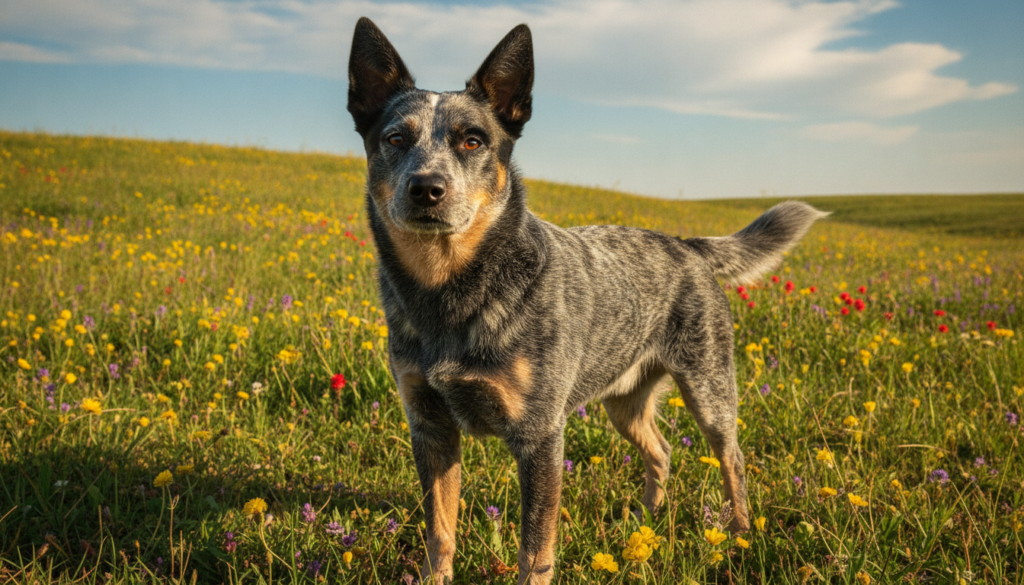
The australian cattle dog and blue heeler are common names for one breed. “Blue Heeler” often describes dogs with blue-speckled or blue-mottled coats. Red-speckled dogs can also belong to this breed.
Understanding the Breed’s Common Names
This breed was developed to move cattle across long distances. Expect stamina, sharp awareness, and a strong sense of purpose. Each dog has its own nature, but most need steady guidance and daily activity.
Herding Instincts and Energy Levels
Strong herding instincts can shape life with this active dog. Your dog may nip at heels, circle family members, or chase bikes and running children. These actions are natural, but they need safe, consistent direction.
A brisk walk may not meet this breed’s needs. Plan structured exercise, scent games, recall practice, and short tasks that give your dog a job. Secure fencing matters because an alert dog may chase movement or explore an open yard.
Training Tips for First-Time Owners
Good cattle dog training starts early. Teach your dog to focus on you, walk on a loose leash, settle indoors, and respond to a clear recall. Reward calm choices with treats, play, or praise.
- Use brief lessons and repeat them each day.
- Set the same household rules for every family member.
- Introduce your dog to people, pets, sounds, and places at a steady pace.
- Provide chew toys and food puzzles to prevent boredom.
- Use secure gates, doors, and fencing around the home.
Physical exercise alone may leave your dog restless. Purposeful mental work helps reduce chewing, barking, and unwanted chasing. If you are a first-time owner, consider guidance from a reward-based trainer who understands working breeds.
Kelpie Dogs: Athletic Working Companions
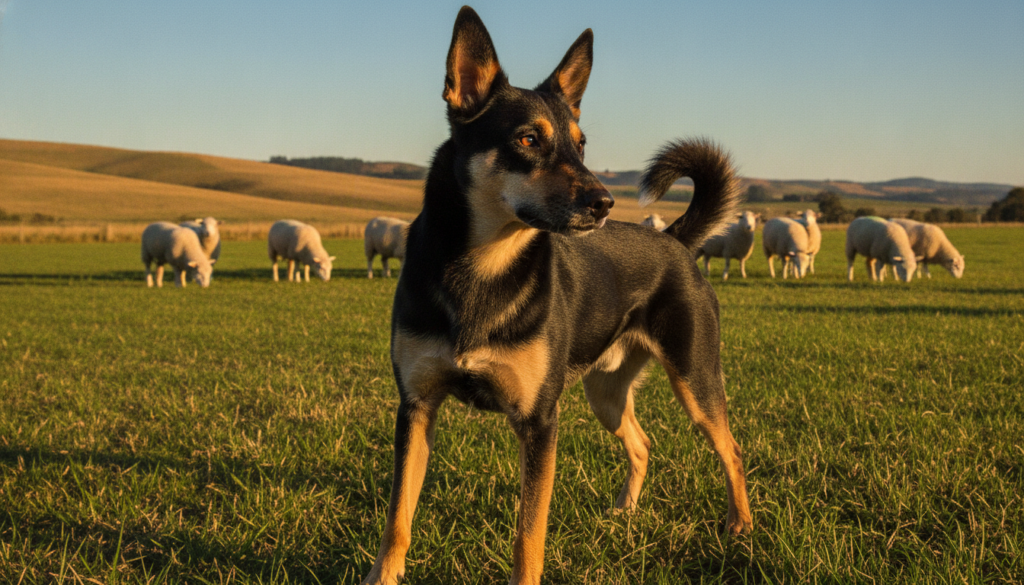
The Australian Kelpie was developed in Australia to manage livestock across large farms. This alert breed reads movement quickly and works with little direction. Its sharp mind and stamina make the kelpie a skilled working dog.
Expect an independent nature and a strong need to stay busy. A kelpie may learn commands quickly, but it needs clear limits and regular guidance. Without purpose, it may chase, dig, or herd family members.
Kelpie Temperament and Working Background
The Australian Kelpie is known for focus, speed, and steady effort. Its herding roots help it make quick choices while staying connected to its handler. You may notice intense eye contact, fast reactions, and a strong urge to control movement.
This breed often bonds closely with an active owner. Training should use short lessons, fair rules, and rewards that keep your dog interested. Obedience drills, scent work, and herding practice can support its mental needs.
Daily Activity Requirements and Ideal Homes
Working-line Kelpies may need several hours of activity each day. A brisk walk alone may not meet their needs. Running, agility, advanced obedience, hiking, and farm work offer better outlets.
This working dog often suits rural properties, active owners, and dog sport fans. Plan daily training and meaningful tasks before bringing one home. A fenced yard helps, but space cannot replace human involvement.
How the Red Cloud Kelpie Differs in Appearance
The term red cloud kelpie usually describes a red or reddish-brown coat. It does not describe a separate breed recognized by every registry. Coat shades range from light copper to deeper red, with markings that vary between dogs.
Before buying a red cloud kelpie, ask for records about registration, lineage, health testing, and breeding goals. Verify the registry’s terminology and review the breeder’s claims carefully. A unique color does not guarantee temperament, working ability, or health.
Australian Terrier: A Small Dog With a Big Personality
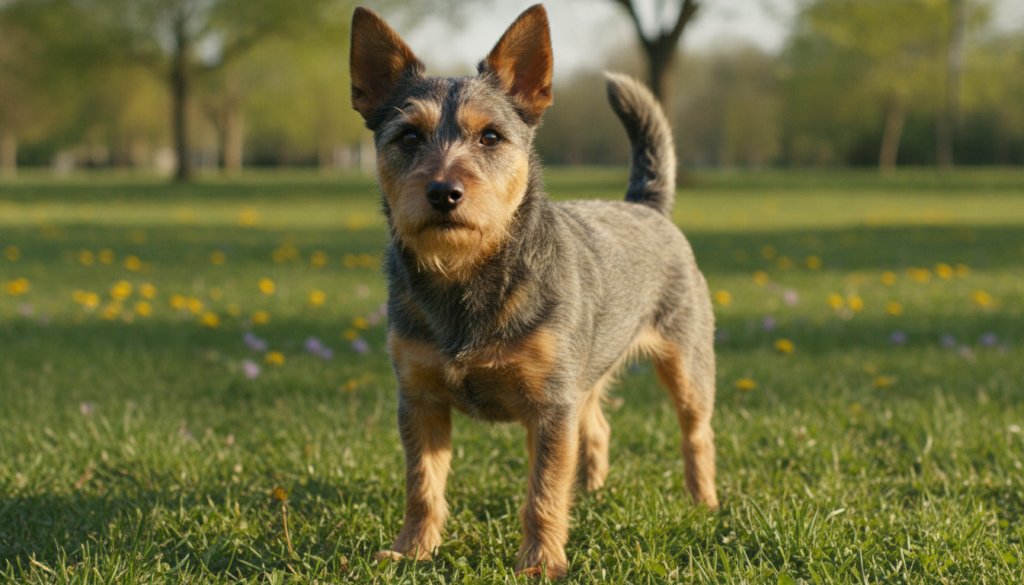
The australian terrier is small and sturdy, with a confident nature. This small Australian dog fits many homes, but needs clear rules, daily activity, and close attention.
Its lively terrier temperament makes it alert, vocal, and determined. Your dog may love family members, yet chase squirrels, cats, or other small animals. Early socialization helps your pet respond calmly to people, dogs, and new settings.
Size, temperament, and family compatibility
An australian terrier usually has a compact build and a weather-resistant coat. Its small size suits apartments and homes with limited space. You still need to provide training, play, and safe chances to explore.
Respectful supervision matters when young children and other pets share the home. Teach children to handle the dog gently and provide a quiet place to rest. Secure fences and leashes can help prevent chasing and escape attempts.
Short training sessions work well for this bright breed. Reward calm behavior, reliable recall, and polite greetings with treats or praise. Avoid harsh corrections, which can increase fear or stubborn behavior.
Grooming and exercise requirements
Regular brushing supports wire coat grooming and removes loose hair. Occasional hand stripping or professional grooming may also help. A groomer can preserve the coat’s texture and trim areas that collect dirt.
Your dog needs daily walks, interactive play, and simple tasks. Hide-and-seek games, scent activities, and puzzle toys support safe investigation. Provide approved digging areas or chase games to guide natural urges usefully.
- Brush the coat several times each week.
- Check the ears, nails, teeth, and paw pads often.
- Use leash walks and secure play areas outdoors.
- Practice recall and calm behavior throughout the week.
What to Know About the Dingo
The dingo is a free-ranging canid closely linked with Australia. Its history includes wild living, contact with people, and possible ancestry from early domestic dogs. Over many generations, dingoes adapted to forests, grasslands, deserts, and coastal areas.
Dingo history and natural behavior
Dingo behavior reflects life beyond a home, with caution around people, strong prey drive, and a need to roam. Dingoes travel far for food, water, and safe territory. Their diet may include small mammals, birds, reptiles, and larger prey.
Dingo conservation protects wild populations and preserves genetic identity. Fences, habitat loss, vehicle strikes, and breeding with domestic dogs create serious concerns. You should view wild dingoes as skilled predators, not abandoned pets for casual handling.
Why dingoes are different from domesticated Australian breeds
A dingo is not simply another household dog. Australian Shepherds, Australian Cattle Dogs, and Kelpies were selectively bred to work with people. Their traits may be more predictable, supporting training and family life.
A dingo may remain wary and independent, even with careful socialization. You may face challenges with house training, secure fencing, recall, and daily management. Roaming instincts and prey drive can risk pets, livestock, neighbors, and the animal itself.
Legal and ownership considerations in the United States
Before considering a dingo or dingo hybrid, check every rule that may apply. State, county, and city agencies can set different requirements. Housing agreements, import rules, zoning codes, permits, and enclosure standards may affect ownership.
Exotic animal laws can prohibit or restrict private possession. Some areas may treat hybrids under separate rules. Contact wildlife, animal control, and public health offices before making plans. Never trust a seller’s claim that a dingo is legal or easy to keep.
Australian Dog Breed Temperament and Training Needs
Training begins by understanding your dog’s natural drives. Many australian dog breeds were developed for work, so energy and focus shape daily behavior.
Genetics influence dog temperament, but they do not define every dog’s personality. Early socialization, health, routine, and life experience matter too.
Comparing Herding, Hunting, and Companion Instincts
Australian Shepherds, Australian Cattle Dogs, and Kelpies often show strong herding behavior. They may watch movement closely, circle people, or guide children and pets. Australian Cattle Dogs and Kelpies can have intense work drives, while Australian Shepherds may seek close contact and frequent tasks.
Terriers often show a strong prey drive. These instincts can cause digging, chasing, and quick reactions to small animals.
Dingoes tend to be more independent and less willing to follow repeated commands. A dog’s breed history offers useful clues, but each dog needs individual assessment.
Using Positive Reinforcement Effectively
Positive reinforcement teaches your dog which choices earn rewards. Use small food treats, a favorite toy, praise, or access to a fun activity. Mark the desired action at once, so your dog connects the behavior with the reward.
- Begin in a quiet space with few distractions.
- Use one clear cue for each behavior.
- Reward calm attention, loose-leash walking, and a quick response.
- Practice for short sessions several times each day.
- Increase distance, movement, and distractions in small steps.
Keep rewards meaningful but modest. If your dog struggles, lower the difficulty and repeat an easier step.
Harsh corrections can increase fear, stress, or defensive behavior. Reward-based training builds trust and gives an active dog a clear way to succeed.
Managing Barking, Chewing, and Herding Behaviors
Start with management. Block views that trigger barking, provide safe chew items, and use gates when you cannot supervise. Daily walks, scent games, food puzzles, and brief training sessions can reduce unused energy.
- Reward quiet pauses before barking becomes intense.
- Trade household items for approved chew toys.
- Use a leash or long line to prevent unsafe chasing.
- Teach “leave it,” “come,” and “settle” with steady practice.
- Interrupt heel nipping with a calm pause and a redirect.
For herding behavior, avoid chase games that encourage ankle biting. Ask your dog for a sit, touch, or eye contact before movement begins. Give Australian Shepherds, Cattle Dogs, and Kelpies suitable jobs, such as carrying a toy, finding treats, or completing an agility exercise.
A certified trainer or veterinary behaviorist can help when fear, aggression, or severe anxiety affects progress.
Choosing the Right Australian Breed for Your Lifestyle
Let your daily routine guide family dog selection, not appearance or popularity. Consider your time, living space, activity level, and dog experience. A good match supports healthy habits for you and your pet.
Best Options for Active Households
Active households may enjoy an australian shepherd, australian cattle dog, or Kelpie. These breeds often need long walks, play, training, and mental challenges. A fenced yard helps, but it cannot replace time with you.
Plan daily exercise before bringing home a high-drive dog. Hiking, running, agility, scent games, and obedience work can meet its needs. Supervision matters because bored herding dogs may chase, dig, bark, or nip.
Breeds for Families With Children
Families should seek a stable temperament and positive socialization history. No breed is automatically safe with every child. Use careful introductions, clear rules, and active adult supervision during play.
Teach children to respect a dog’s food, toys, sleep, and personal space. An australian terrier may suit families seeking a small, lively companion. Its size does not remove the need for training or gentle handling.
Considerations for Apartments and Smaller Homes
Small homes can work with a reliable activity plan. Focus on energy level, noise control, and outdoor exercise, rather than size alone. Daily walks, indoor training, puzzle toys, and scent games provide useful enrichment.
An apartment dog needs practice staying calm near neighbors. Schedule bathroom breaks and quiet time around your routine. During family dog selection, meet individual dogs when possible; personality and energy can vary within one breed.
Grooming, Nutrition, and Health Care for Australian Breeds
Good care helps australian dog breeds stay comfortable, active, and healthy. Match your routine to your dog’s coat, age, body condition, and daily work. Regular dog grooming and veterinary visits can find small problems before they become serious.
Coat types and grooming routines
Australian Cattle Dogs and Kelpies often have short, double coats. Brush them once or twice each week to remove loose hair. Shedding can increase during seasonal changes, so a grooming rake can manage extra undercoat.
Australian Shepherds have a fuller double coat that needs more care. Brush several times each week, especially around the ruff, legs, and tail. Do not shave the coat unless your veterinarian recommends it for medical reasons.
Australian Terriers have a wiry coat. Weekly brushing helps prevent mats and removes dead hair. Hand-stripping may preserve the coat’s texture, and a professional groomer can guide you.
- Trim your dog’s nails before they grow long or click on hard floors.
- Check the ears weekly for redness, odor, wax, or moisture.
- Brush the teeth often with pet-safe toothpaste.
- Bathe your dog when the coat is dirty or smells unusual.
Use gentle tools during heavy shedding seasons. Stop if your dog shows pain or skin irritation. Dog grooming should clean the coat without harming the skin.
Feeding active Australian dogs
Choose complete, balanced food made for your dog’s life stage. Puppies, adults, seniors, and pregnant dogs have different needs. Canine nutrition should reflect body condition, health status, activity level, and your veterinarian’s advice.
An athletic dog does not always need extra calories. Too much food can cause weight gain and joint stress.
Measure meals, limit high-calorie treats, and check your dog’s weight each month. Fresh water should remain available throughout the day.
Preventive veterinary care and common concerns
Preventive veterinary care includes exams, vaccines, parasite control, dental evaluations, and weight checks. Your veterinarian can plan heartworm, flea, and tick prevention for your location and dog’s lifestyle.
Ask about genetic screening when choosing a puppy or planning adult dog care. Australian breeds may face orthopedic disease, eye disorders, hearing problems, or skin issues. Early testing can guide exercise and treatment decisions.
Contact your veterinarian if you notice limping, cloudy eyes, reduced hearing, repeated ear infections, hair loss, or appetite changes. Timely care supports comfort and helps preserve an active life.
Australian Dog Breed Myths and Misconceptions
Many claims about Australian dogs come from old stories or broad labels. Clear dog breed facts help you choose a companion based on real needs, not assumptions.
The difference between the Tasmanian tiger and Australian dog breeds
The tasmanian tiger, or thylacine, was an extinct marsupial, not a dog breed. It was not a type of Australian Shepherd or a Kelpie. It was also unrelated to the Australian Cattle Dog as a domestic breed.
Why not every Australian breed is a working farm dog
The country where a breed developed does not determine every dog’s daily life. Some australian dog breeds have strong working roots, while many live as family pets in cities and suburbs.
A herding breed may need exercise and tasks, but it may not need a farm. A terrier may enjoy an active home with children. Training, supervision, and early socialization shape how a dog fits family life.
Separating breed stereotypes from individual personality
Not every herding dog is easy to train. These dogs can learn quickly, yet they may be sensitive, intense, or easily distracted. Terriers are not automatically poor family choices; success often depends on age, social skills, exercise, and guidance.
When you review Australian breed myths, look beyond the breed label. Consider temperament, socialization history, health, breeding, age, and behavior in daily settings. A careful match gives you a clearer view of the dog in front of you.
Conclusion
Choosing among australian dog breeds starts with an honest look at your daily life. An australian shepherd or kelpie may suit an active home with long walks, training, and mental work. A blue heeler, also called an australian cattle dog, often needs firm guidance and an outlet for herding drive.
Your home and family also matter. An australian terrier may suit a smaller space, but it still needs exercise and attention. Each breed can differ in grooming, trainability, instinctive behavior, and health risks. Meet individual dogs instead of relying only on breed labels.
A dingo offers a very different ownership experience from a domesticated australian shepherd or australian terrier. Laws on dingo ownership can vary by state and local area. Check legal rules before making plans, and ask a veterinarian about vaccines, nutrition, genetic screening, and preventive care.
Before bringing any dog home, research reputable breeders and adoption organizations. Request clear health records, spend time with the dog, and ask about its behavior and history. A realistic plan for exercise, training, grooming, and veterinary care can help an australian dog breed fit your household long-term.