
Lazy Dog Breeds Ideal for Low-Energy Families.
Discover lazy dog breeds that fit low-energy families, with practical tips to choose a calm companion, meet daily needs, and enjoy a relaxed life together.
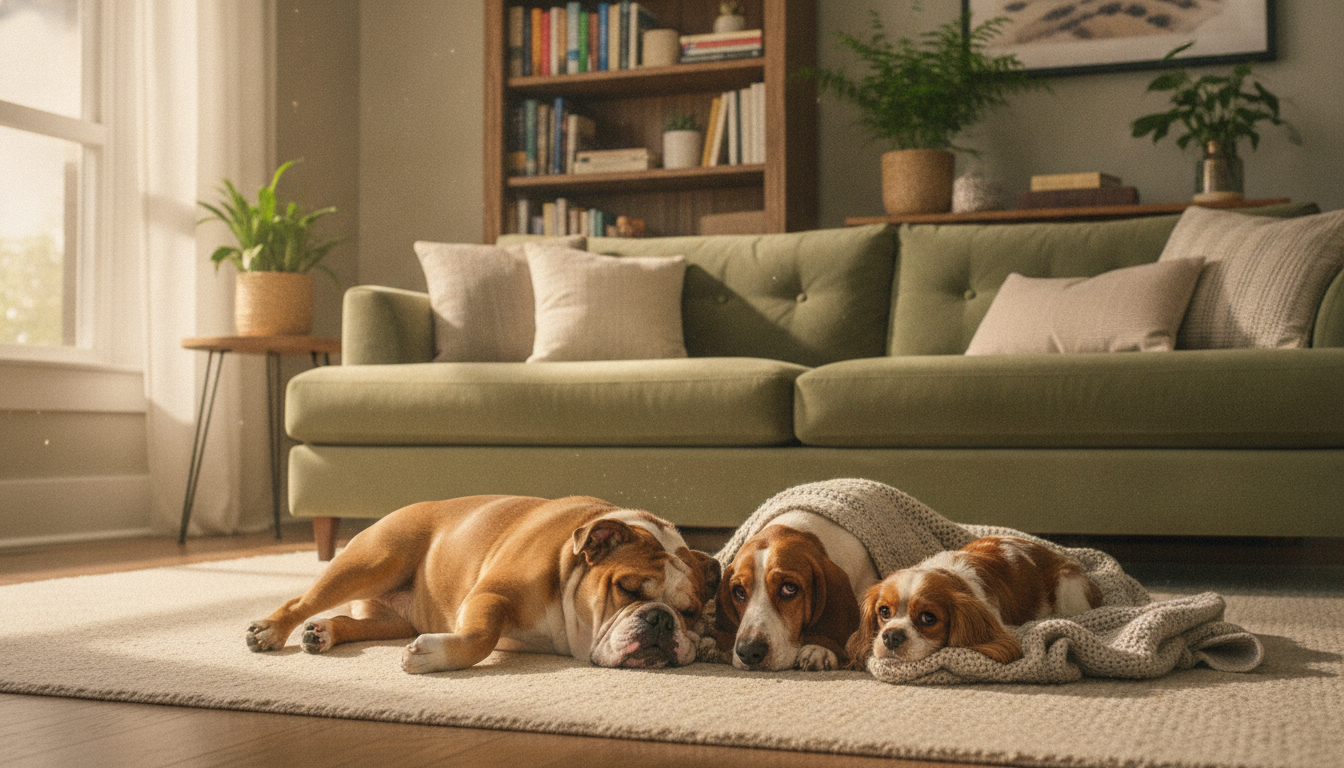
After a long day, you may want a dog who rests beside you rather than asking for more fetch. The right companion can make home feel calmer, warmer, and easier to enjoy.
Many lazy dog breeds fit families with quiet routines. However, low energy dogs still need daily movement, mental stimulation, training, social time, and regular veterinary care.
When comparing calm family dogs, look beyond breed labels. Age, health, personality, size, and living space shape your dog’s daily care. Even low maintenance dog breeds need attention, patience, and a steady routine.
Why Lazy Dog Breeds Work Well for Low-Energy Families
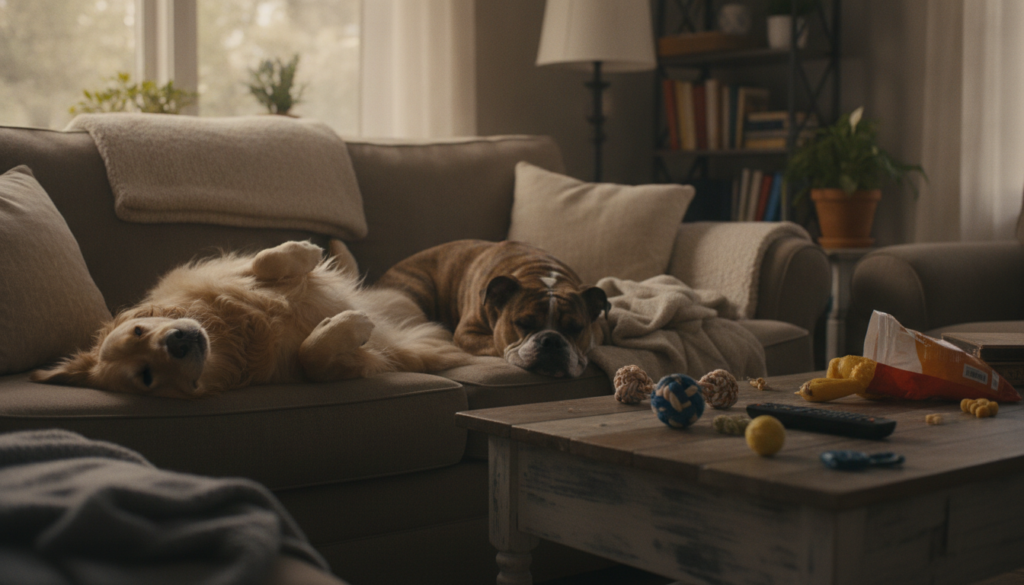
Couch potato dogs suit homes with quiet evenings, moderate walks, and steady routines. They may rest near you much of the day while offering warmth, loyalty, and daily companionship.
Many relaxed family dogs fit adults and older children who prefer calm play over long games of fetch. Their lower exercise needs can make care easier than care for highly athletic breeds. You still must provide walks, training, social time, and regular veterinary care.
Calm dog breeds often settle more easily in peaceful homes. A predictable schedule can support good manners and reduce stress. Your dog may enjoy a short morning walk, indoor enrichment, and time beside you while you read or watch television.
Lower energy does not mean no energy. Every dog needs movement, mental challenges, attention, and chances to explore. Age, health, breed traits, and personality can change those needs over time.
Apartment friendly dogs may thrive in smaller homes when you meet their daily needs. Before choosing, consider your schedule, housing rules, climate, and ability to provide care in every season. A good match depends on temperament as much as size or activity level.
Lazy Dog Breeds to Consider for a Relaxed Lifestyle
When comparing laid-back dog breeds, consider more than energy level. Temperament, health, size, and training needs matter too. Each dog is different, so choose one that fits your home and daily routine.
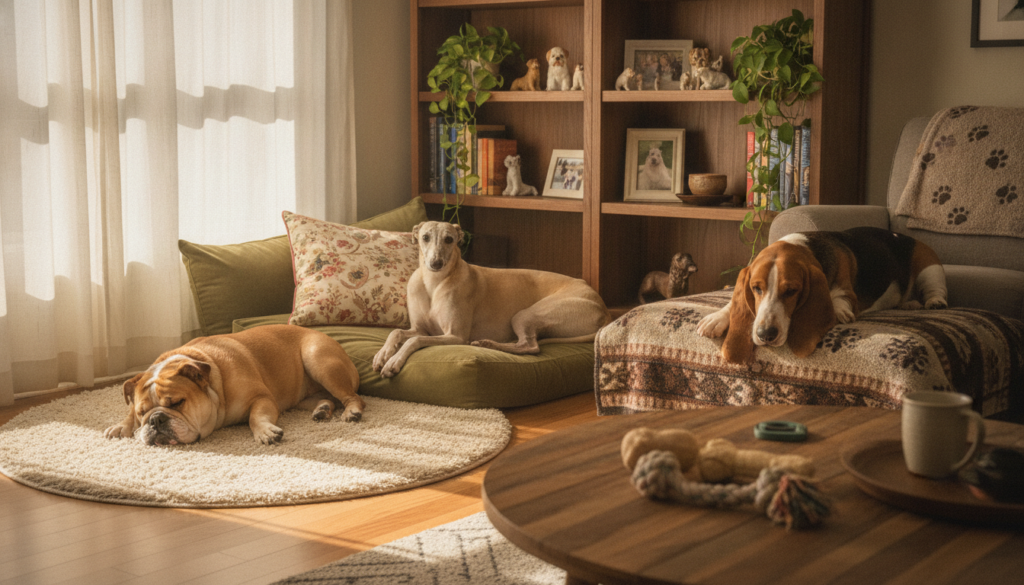
English Bulldog
The English Bulldog is affectionate, calm, and often content with short outings. A brief walk followed by quiet time nearby may suit this breed. Its friendly nature can fit families who prefer a slower pace.
Plan carefully for warm weather. Bulldogs can overheat easily, and short muzzles may cause breathing trouble. Walk during cool times, watch for heavy breathing, and ask your veterinarian about safe exercise.
Basset Hound
The Basset Hound is easygoing and steady. It may not need long walks, but it still needs mental activity. Scent games, treat puzzles, and safe sniffing areas can keep your dog engaged.
Training may require patience because Basset Hounds can be independent. Use short lessons, tasty rewards, and clear routines. Protect their long backs by limiting stairs and discouraging furniture jumps.
French Bulldog
The French Bulldog can thrive with moderate activity and plenty of rest. A few short walks and indoor play sessions may meet its daily needs. Many French Bulldogs enjoy close company and adapt well to apartment living.
Pay close attention to heat, breathing, and spinal health. Avoid hard play in warm weather, and stop if your dog struggles to breathe. Regular veterinary visits can help track mobility and other breed-related concerns.
Great Dane
The Great Dane is a gentle companion that may seem relaxed at home. Its calm presence may suit families seeking a quiet, friendly dog. Daily movement still matters for healthy muscles and joints.
Its large size requires careful planning. You will need space, large-breed food, sturdy supplies, and a veterinary care budget. Joint support, controlled exercise, and careful weight management matter throughout your dog’s life.>
How to Choose Among Low Energy Dogs
Start with your daily routine, home, and budget. The best match should fit your family lifestyle, not simply a breed list. Before choosing, consider adult size, housing rules, local climate, and access to veterinary care.
Review each dog’s exercise needs carefully. Some low energy dogs enjoy short walks and quiet play, but others need more movement than expected. Ask how long the dog can walk, how it behaves indoors, and how much training it needs.
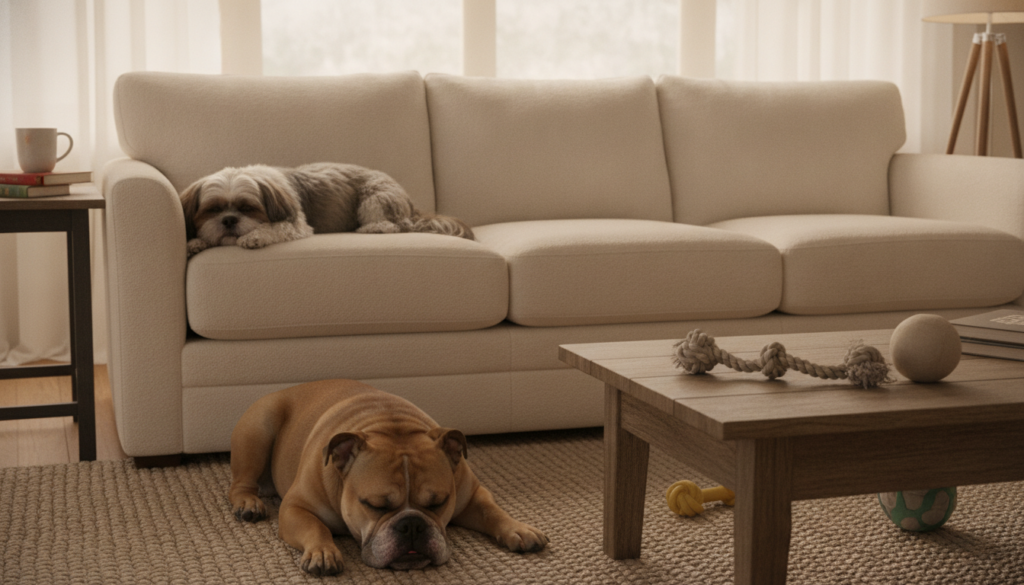
Look beyond activity level when choosing a dog. Grooming, shedding, drooling, barking, and trainability can shape your daily experience. Check whether its coat suits your home and whether you can manage brushing, cleaning, and basic care.
- Compare the dog’s adult weight with your space and strength.
- Ask about common health risks and likely care costs.
- Observe how the dog responds to children, cats, and other dogs.
- Set aside time for companionship, house rules, and training.
Watch the individual dog’s behavior instead of relying only on breed labels. A calm greeting, relaxed body language, and gentle handling response can reveal more about dog temperament than a breed label. Spend time with the dog in a quiet setting and around normal household sounds.
A calm adult dog from a reputable rescue or responsible breeder may have a more predictable energy level than a puppy. Puppies need frequent supervision, socialization, and training. Ask for health records, behavior history, and details about past homes or litter conditions.
Before adoption, confirm that your lease, homeowners association, or local rules allow the dog. Include food, grooming, training, medication, and emergency care in your budget. Choose among easygoing dog breeds only when their needs match the time, space, and support you can provide.
Exercise Needs of Laid-Back Dog Breeds
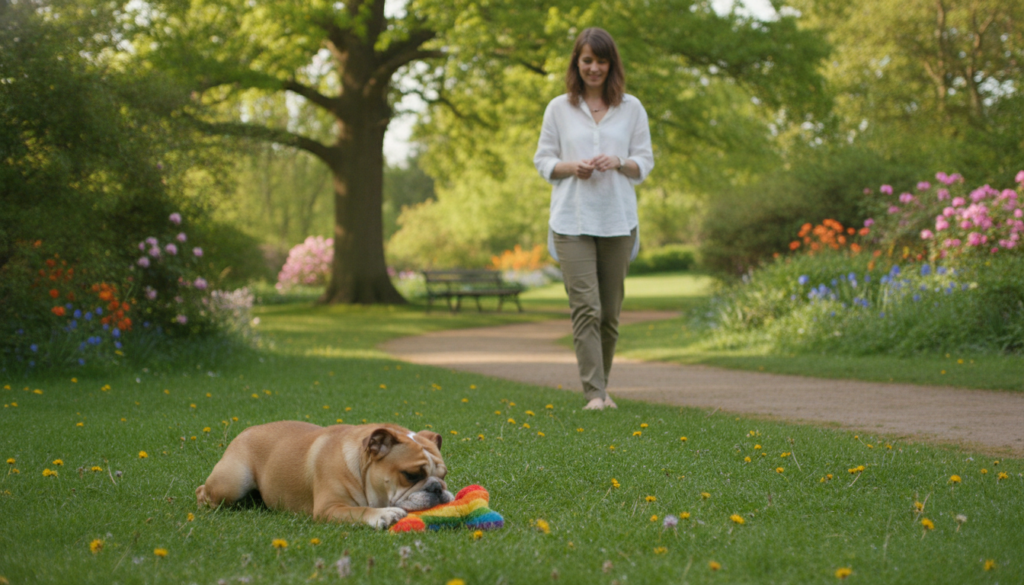
Laid-back dog breeds still need daily dog exercise to stay healthy and alert. Your plan should balance brief walks, bathroom breaks, gentle play, simple training, and quiet rest. This balance supports relaxed dog routines without pushing your dog too hard.
Daily Activity Requirements
Start with several short activity periods instead of one long workout. A calm adult dog may enjoy two or three easy walks each day, plus bathroom breaks and gentle home play.
Adjust the plan for age, body condition, mobility, and breed. Puppies need short sessions with plenty of sleep. Older dogs may need slower walks and more rest. Dogs with extra weight should increase activity at a steady pace.
Hot, cold, or humid weather can change your dog’s needs. Flat-faced breeds may struggle to breathe during heat or hard exercise. Choose cool times, watch for heavy panting, and stop when your dog seems strained.
Short Walks and Indoor Enrichment
Short walks provide exercise and mental stimulation. Let your dog sniff safe areas at a calm pace. A few minutes of basic training, such as sit, stay, or touch, adds purpose without tiring your dog.
Indoor dog enrichment helps on stormy days or when outdoor activity is limited. Try food puzzles, scent games, hide-and-seek, and supervised toy play. Rotate toys to keep familiar activities fresh.
- Hide small treats around one room for your dog to find.
- Use a puzzle feeder during one meal.
- Practice two or three obedience cues for a few minutes.
- Offer a soft toy for supervised gentle play.
Keep sessions brief and stop while your dog remains interested. Add rest between activities so your dog can recover.
Recognizing When Your Dog Needs More Activity
Your dog may need more movement or mental work if restlessness continues after normal rest. Destructive chewing, repeated attention seeking, weight gain, or reduced engagement can signal an unbalanced routine.
Increase activity slowly with an extra sniffing walk, a short training session, or a new game. Track your dog’s energy, appetite, weight, and movement for several days.
Sudden lethargy, a sharp behavior change, trouble breathing, limping, or lost interest needs veterinary attention. A veterinarian can check for pain, illness, or another health concern before you change the exercise plan.
Care Requirements for Mellow Dog Breeds
Mellow dog breeds often need fewer calories than active dogs. If meals stay large as activity falls, extra weight can build quickly. A steady care plan protects your dog’s comfort and ability to move.
Weight Management
To support a healthy weight for dogs, measure every meal with a standard cup or kitchen scale. Follow your veterinarian’s feeding advice instead of leaving food out all day. Keep treats within your dog’s daily calorie needs.
- Weigh your dog during routine veterinary visits.
- Check the ribs, waist, and belly shape each month.
- Use small treats during training.
- Ask your veterinarian before changing food or portion sizes.
Your dog should have ribs you can feel beneath a light layer of fat. A clear waist often shows a healthy body condition. Veterinary guidance matters when pain, illness, or medication causes weight gain.
Grooming and Shedding
Dog grooming needs vary with coat, skin, and body shape. Brush shedding breeds regularly to remove loose hair and find skin changes early. Trim nails before they grow long enough to change your dog’s walk.
Clean the folds of English Bulldogs and French Bulldogs as your veterinarian directs. Dry every fold well to help limit odor and skin irritation. Check a Basset Hound’s ears weekly for redness, moisture, or a strong smell.
Dental care should stay part of your routine. Brush with dog-safe toothpaste, offer approved dental products, and watch for swollen gums. Bathe your dog based on its coat and skin, not a fixed schedule.
Health Concerns to Consider
Some breed health concerns need close attention. Bulldogs and French Bulldogs may face brachycephalic airway problems and poor heat tolerance. Keep them cool, avoid hard exercise in hot weather, and seek veterinary care for noisy breathing or collapse.
Basset Hounds can develop ear infections, skin problems, and joint disease. Great Danes face joint concerns and a serious risk of bloat. Learn warning signs, including a swollen belly, repeated retching, restlessness, or sudden weakness.
Preventive examinations help your veterinarian find problems before they grow. Ask about vaccines, parasite control, dental checks, and age-based screening. Pet insurance planning may help you prepare for emergency care, surgery, or long-term treatment.
Are Lethargic Dog Breeds Right for Your Family?
The phrase lethargic dog breeds is an informal search term for calm dogs. These dogs often enjoy rest and short walks. True canine lethargy is different and may signal pain, illness, overheating, medication effects, or another medical problem.
A naturally calm dog still shows interest in food, family, and daily routines. Unusual weakness may cause withdrawal, poor appetite, abnormal breathing, or reluctance to move. Watch these changes closely.
- Contact your veterinarian if low energy starts suddenly.
- Seek advice for vomiting, coughing, limping, pale gums, or breathing trouble.
- Keep your dog cool and offer fresh water during warm weather.
Before choosing mellow dog breeds, review your household schedule. Even low energy family pets need daily care, companionship, gentle enrichment, grooming, and medical attention. A quiet dog may suit your home if you can meet these needs each day.
How to Adopt and Prepare for a Low-Energy Dog
Good dog adoption starts with an honest look at your daily routine. Low energy dogs may enjoy quiet homes, but each dog has unique needs. Before choosing, learn about age, health, behavior, and activity level.
Choosing Between a Puppy and an Adult Dog
Puppies need frequent potty breaks, training, supervision, and socialization. Their energy may change daily, so predicting their adult personality takes time. A puppy may suit you if you can provide steady care during the first year.
Adult dogs often have an established temperament and routine. You may better understand their walking habits, sleep needs, and comfort with guests. Medical histories may include past injuries or chronic conditions, so review all records before adoption.
Questions to Ask a Breeder or Rescue
Ask clear questions about the dog’s daily life. A breeder or rescue should share details about behavior, health, and care. Rescue dogs may need extra patience while adjusting to a new setting.
- How much exercise does the dog receive each day?
- How does the dog behave around children, cats, and other dogs?
- Can the dog stay alone for a few hours without distress?
- Has the dog shown coughing, noisy breathing, or other respiratory symptoms?
- Does the dog have trouble climbing stairs, walking, or standing?
- Are allergies, food sensitivities, or special diet needs present?
- What grooming tasks and shedding should you expect?
- Which vaccines, tests, treatments, and veterinary visits are documented?
Creating a Comfortable Home
Set up a calm dog home before your new companion arrives. Choose a bed that supports the dog’s full body. Place nonslip rugs on slick floors, and use secure gates near stairs or restricted rooms.
Measure food portions with a proper scoop to help manage weight. Offer safe enrichment toys, such as food puzzles and durable chew toys. Add an identification tag, update the microchip details, and keep emergency contacts near your phone.
Keep the home at a steady temperature. Bulldogs, French Bulldogs, and other dogs with short muzzles can struggle in heat. Give your dog a quiet resting area, fresh water, and a regular feeding and walking schedule.
Allow a gradual adjustment period after adoption. Limit visitors at first, watch for stress signals, and keep daily routines consistent. Gentle guidance can help your new dog feel secure in your home.
Conclusion
The best lazy dog breeds are not completely inactive. They have energy levels and temperaments that fit your household. Relaxed dog breeds can thrive with steady routines, short walks, indoor play, and family time.
Before choosing, compare breed traits with each dog’s health, age, size, and behavior. Even easygoing dog breeds need daily movement, mental enrichment, weight control, grooming, and regular veterinary care.
Low energy dogs still need companionship and patient guidance. With thoughtful matching and proper care, you and your dog can enjoy a comfortable, healthy, and relaxed life together.