
Low Energy Dog Breeds Perfect for Apartment Living.
Discover low energy dog breeds perfect for apartment living, with tips to choose a calm, happy companion that fits your space, schedule, and lifestyle.
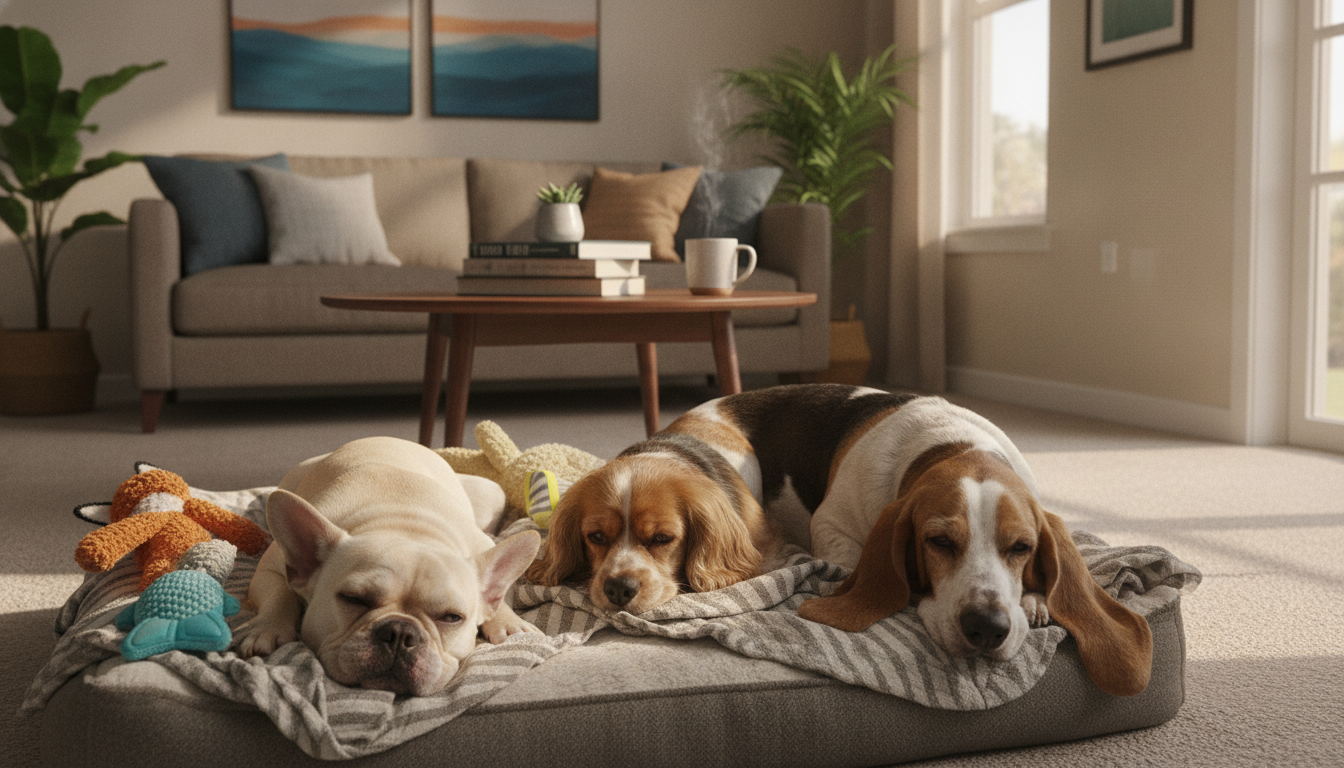
After a busy day in your apartment, a calm dog can make coming home feel special. You want companionship without constant noise, chaos, or needing a large yard.
Low energy dog breeds can suit city life, but they still need daily walks, gentle training, and your time. Low energy does not mean no exercise or attention. It means your dog may enjoy a slower pace and a simple routine.
When comparing apartment dogs, look beyond size. Consider adult weight, temperament, barking habits, grooming, health needs, and comfort when alone. These details may shape your life together more than appearance alone.
Remember that every dog is an individual. Age, training, past experiences, and personality can affect behavior as much as breed. With realistic expectations, you can find small-space pets that bring warmth, comfort, and steady companionship to your home.
Best low energy dog breeds for apartment living
Several low energy dog breeds can suit apartment life, but each has different care needs. Your schedule, home temperature, and safe walking areas all matter. Consider the dog’s age, health, and temperament, not just breed reputation.
French Bulldog
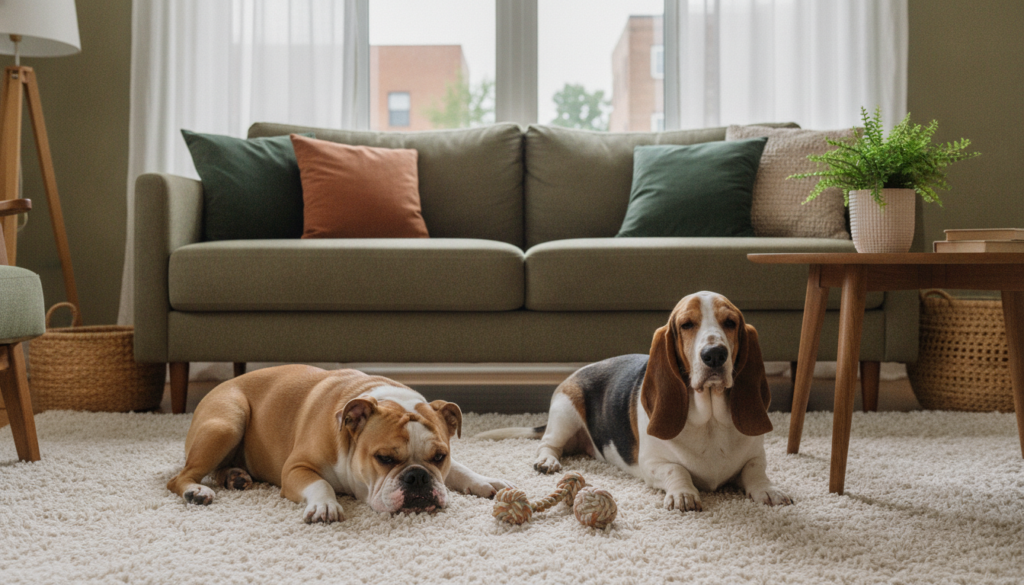
French Bulldogs often enjoy short walks, brief play, and close indoor companionship. Their compact size makes them popular apartment-friendly dog breeds. They may happily stay beside you while you read, work, or relax.
Short muzzles can make it hard for French Bulldogs to cool themselves. Avoid strenuous exercise in hot or humid weather. Use air conditioning, fresh water, and shaded routes to reduce heat stress.
Cavalier King Charles Spaniel
Cavalier King Charles Spaniels are affectionate, adaptable, and eager to stay near their people. Their gentle nature suits many homes, including apartments with nearby neighbors. They need daily walks, play, and social time to stay content.
These dogs may struggle when left alone for long periods. Plan time for companionship and simple training each day. Their friendly nature can make them one of the most flexible relaxed dog breeds for an active household.
Basset Hound
Basset Hounds tend to move slowly indoors. Their calm style can suit apartment living, but their body shape needs thoughtful care. Secure leash walks matter because a Basset may follow an interesting scent without hesitation.
Use scent games, treat searches, and short training sessions to engage your dog’s strong nose. Watch food portions to protect weight, joints, and back health. Check the long ears often because moisture and debris can cause irritation.
When comparing relaxed dog breeds, meet the specific dog whenever possible. A shelter dog or adult dog may show its true energy level more clearly than a puppy. Choose a companion whose needs match your space, routine, and ability to provide care.
Calm dog breeds that adapt well to small spaces
Some calm dog breeds can thrive in apartments when you meet their daily needs. Choose a dog based on its health, energy level, social nature, and comfort with indoor living.
Shih Tzu
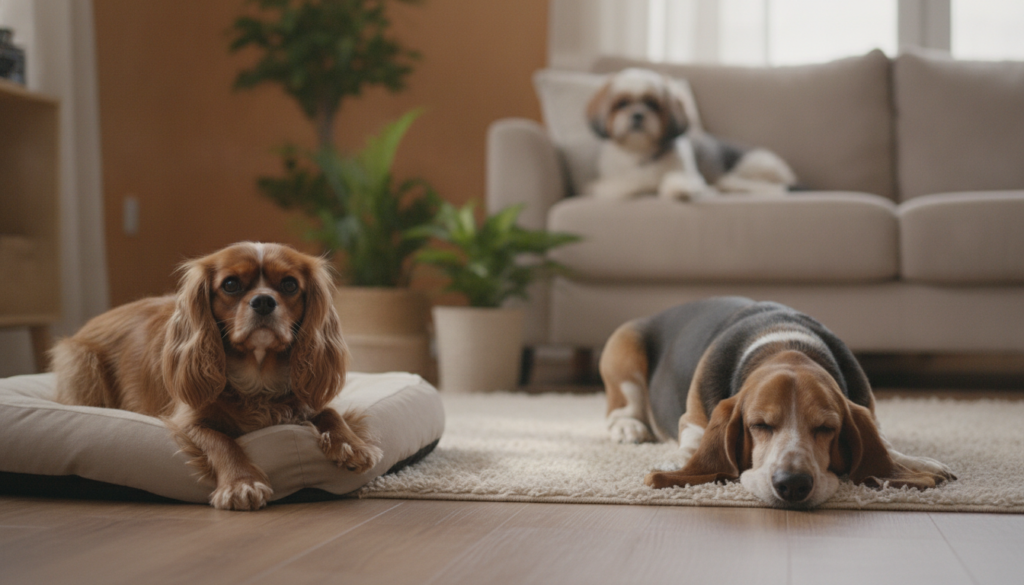
Shih Tzus often enjoy close company and settle well in smaller homes. They need moderate walks, short play sessions, and regular contact with you.
Their long coat needs steady care. Brush your Shih Tzu often, and arrange professional grooming when needed. Good ventilation and safe elevator access can make apartment life easier.
English Bulldog
English Bulldogs often enjoy brief walks and calm indoor time. This makes them appealing mellow dog breeds for relaxed households.
Heat can stress their breathing. Your Bulldog needs a cool, well-ventilated home, careful weight control, and regular veterinary care. Clean skin folds as directed, and check building rules about stairs or elevator use.
Japanese Chin
Japanese Chins are usually quiet, adaptable, and comfortable in compact homes. They still need gentle training, daily social contact, and safe chances to move.
Short walks and indoor games can support their health. Supervise movement around stairs, and provide a secure space away from heavy foot traffic. Among small apartment dogs, the Japanese Chin may fit well when its social and physical needs receive steady care.
Lazy dog breeds versus genuinely relaxed dog breeds
The label lazy dog breeds can mislead. A healthy, relaxed dog may sleep for hours, but it should still enjoy walks, food, play, training, and family life. Its calm nature should fit its normal personality and age.
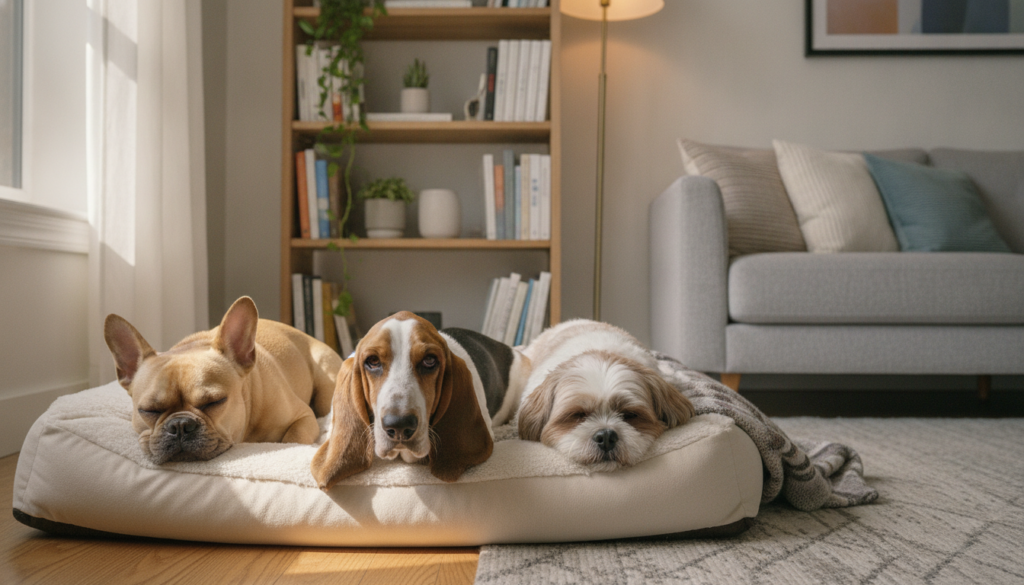
Genuinely relaxed dog breeds often enjoy quiet routines without staying inactive all day. You may notice curiosity around a new smell, a gentle response to training, or a short burst of play. These signs suggest balanced canine energy levels, not poor health.
A dog that seems unusually tired may have pain, illness, excess weight, fear, or too little enrichment. Do not choose a dog only because it sleeps often. Watch for changes in appetite, movement, breathing, mood, or bathroom habits.
- Look for steady interest in food, people, and familiar activities.
- Notice whether the dog moves with ease and responds to its surroundings.
- Ask about past behavior, medical records, and daily activity.
Concerning lethargy calls for a veterinary examination. A behavior assessment can help when a dog’s energy does not match its age or usual personality. This care helps you tell a calm companion from a dog that needs support.
How to choose an easygoing dog for your apartment lifestyle
Choosing a dog for an apartment takes more than checking its weight. Your best match should fit your home, schedule, budget, and activity level. Many easygoing dog breeds enjoy calm homes, but each dog has individual needs.
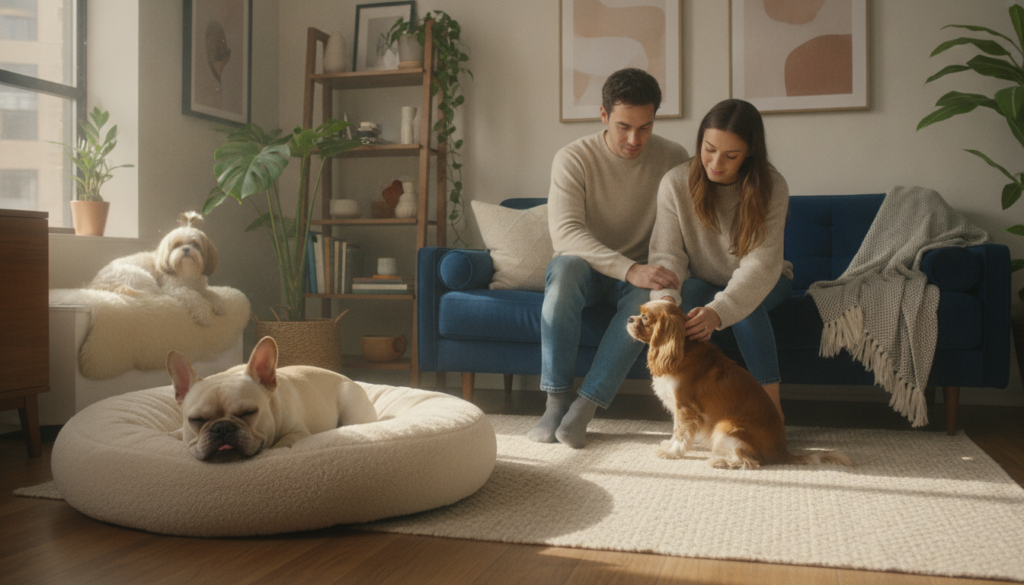
Consider size, mobility, and space requirements
Body size does not tell the whole story. Some large dogs are quiet and gentle indoors, while some small dogs need hours of activity. Focus on how easily the dog moves through your home.
- Check stairs, elevators, hallways, and door widths.
- Choose flooring that gives the dog a firm grip.
- Place a crate where your dog can rest without blocking walkways.
- Plan access to safe areas for walks and bathroom breaks.
A dog should turn, stretch, and lie down with ease. Consider mobility if your building has many stairs or limited elevator access. Ask a veterinarian about joint risks for breeds with short legs, long backs, or heavy bodies.
Match the dog’s temperament to your schedule
Your daily routine matters as much as your floor plan. A dog that enjoys quiet time may suit remote work or long office hours. A social, active dog may need a midday walker or dog sitter.
Review your work hours, travel plans, and social life. Think about how much time you spend at home. Laid-back dog breeds still need walks, play, training, and close contact each day.
Evaluate barking and separation tendencies
Noise can affect your neighbors and your lease. Ask a shelter worker or breeder about the dog’s barking habits. Learn what triggers vocal behavior, such as hallway sounds, visitors, or passing dogs.
Ask whether the dog shows separation distress. Pacing, chewing, drooling, and repeated barking may signal stress when the dog stays alone. Check your landlord’s rules, breed limits, weight limits, and pet fees before adoption or purchase.
Think about grooming and health needs
A calm dog may still require major care. Review brushing, bathing, nail trimming, dental care, and seasonal shedding. Coat care can take time and may increase grooming costs.
Research common breed-related risks and expected veterinary expenses. Check pet insurance limits and exclusions before choosing. A clear budget helps you support your dog throughout your apartment lifestyle.
Daily exercise needs for low energy dogs in apartments
Low energy dog breeds need regular movement and apartment dog exercise, even when indoors. Exercise supports healthy weight, calm behavior, digestion, and sleep. It also provides bathroom breaks, fresh air, and a steady routine.
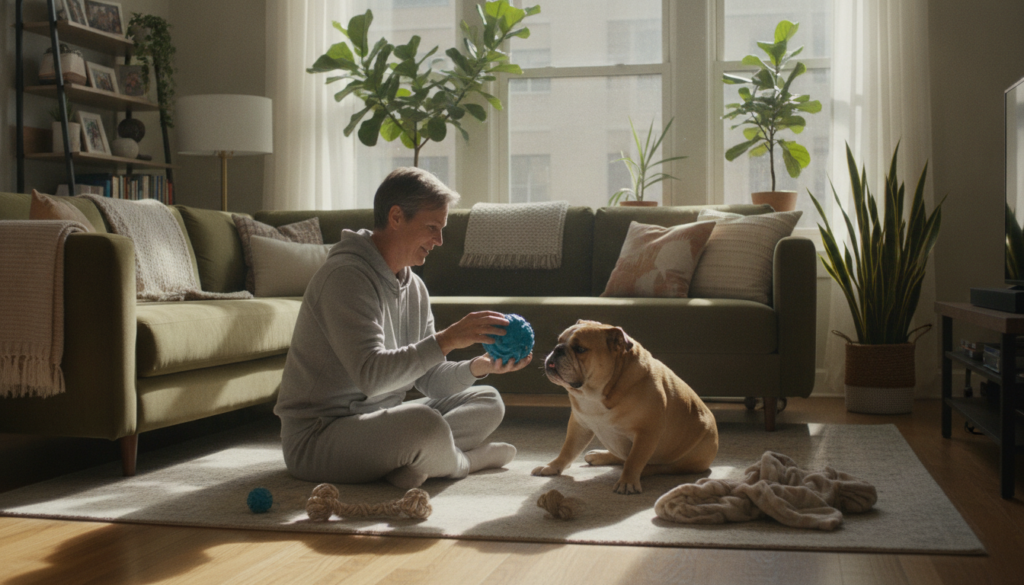
Build a simple walking routine
Start with short walks that fit your schedule. A slow trip around the block may suit a small or less active dog. Watch your dog’s breathing, pace, and interest, then increase time in small steps when comfortable.
A daily walking routine works best when predictable, so plan walks around meals, work hours, and bathroom needs. Adjust the length for age, fitness, heat, cold, joint health, and your veterinarian’s advice. Your dog may need more frequent breaks instead of one long outing.
Use indoor activities on difficult weather days
Rain, ice, smoke, or extreme heat can make outdoor exercise unsafe. Food puzzles keep your dog moving and provide a useful mental challenge. Hide small treats around one room and encourage your dog to search with its nose.
Gentle trick training offers another indoor option. Practice touch, sit, stay, or walking to a mat for a few minutes at a time. Supervised hallway games may work in a secure building, but avoid slippery floors, sharp turns, and rough play near furniture.
Adjust exercise for puppies, adults, and seniors
Puppies need controlled activity, short walks, and plenty of rest. Avoid forced running and long stair sessions while their bones and joints develop. Frequent play and bathroom trips can meet their needs without overworking them.
Adult dogs often benefit from predictable daily movement. Senior dogs may need shorter walks, slower routes, and nonslip surfaces. A supportive harness, joint care plan, or veterinary exam may help if your dog shows stiffness, limping, reluctance, or discomfort.
Mental stimulation and training for mellow dog breeds
Mellow dog breeds still need daily mental activity. Simple challenges keep your dog content without intense exercise. Short lessons, scent work, and quiet play fit an apartment routine.
Teach Practical Apartment Manners
Start with calm habits that make shared living easier. Teach your dog to settle on a mat, wait at doors, and walk on a loose leash. Practice polite elevator behavior by rewarding quiet standing and relaxed body language.
Build a reliable recall in safe, enclosed areas before using it outdoors. Ask your dog to relax as visitors enter, remove coats, and sit down. Gradually expose your dog to neighbors, delivery sounds, elevators, and household noises at a comfortable pace.
Prevent Boredom and Destructive Behavior
Good boredom prevention gives your dog safe ways to think, sniff, chew, and explore. Rotate puzzle feeders so each meal feels fresh. Hide small treats for scent games, and offer durable chew items for quiet activity.
Use supervised independent activities while you work or prepare meals. Keep sessions short, and change the task before your dog loses interest. This approach supports boredom prevention without adding long, tiring workouts.
- Practice two to five minutes of basic cues.
- Serve part of a meal through a puzzle feeder.
- Set up a simple scent game in one room.
- Offer a safe chew while your dog rests nearby.
Use Positive Reinforcement Consistently
Reward-based dog training for apartments builds trust through clear timing. Give food, praise, or a brief play session within a moment of the behavior you want. Use the same cue and reward calm choices each day.
Never use intimidation to stop barking, rushing, or fearful behavior. Lower the challenge, create more space, and reward recovery. With steady dog training for apartments, your dog can learn manners while feeling secure in a busy home.
Quiet dog breeds and apartment-friendly behavior
Even quiet dog breeds are not fully silent. Barking may come from genetics, poor socialization, fear, frustration, loud noises, or rewarded behavior.
To support peaceful living, watch for your dog’s triggers. Hallway footsteps, doorbells, elevators, and people near windows can cause repeated barking. Block visual access with curtains or frosted window film, and use white noise to soften nearby sounds.
Rest matters for calm apartment dogs. A tired or overstimulated dog may react to small sounds. Give your dog a quiet bed away from busy areas, regular walks, and short training sessions.
- Reward quiet moments with a treat, praise, or a favorite toy.
- Teach your dog to look at you when a sound occurs.
- Offer an alternative response, such as touching your hand or going to a mat.
- Keep rewards calm so excitement does not start more barking.
Punishment can raise anxiety and increase vocalization. Your barking control plan should focus on safety, clear limits, and rewards for better choices. If barking starts suddenly or becomes intense, ask your veterinarian about pain, stress, or other health concerns.
Before you choose a dog, check your building’s noise rules and ask for a clear behavior history. Consider the dog’s age, past home, social skills, and response to being alone. A proven history of calm behavior is more useful than a breed label when you share walls with close neighbors.
Adopting and caring for a laid-back dog in an apartment
Responsible dog adoption starts with a careful match. Laid-back dog breeds may enjoy quiet homes, but each dog has a unique history and temperament. Take time to learn what the dog needs before making a lasting commitment.
Meet the Dog Before Bringing It Home
Visit the dog more than once when possible. Watch how it walks on a leash, responds to new sounds, and accepts gentle handling. Notice its activity level and comfort around adults, children, and other dogs.
Ask shelter staff or foster caregivers clear questions. Learn about barking, separation behavior, house training, medical history, and reactions to other animals. These details can guide your choice and support a smoother move.
Prepare Your Apartment for Your New Dog
Set up a quiet resting area before your dog arrives. Use a bed, crate, or gate that gives the dog a safe place to relax. Secure windows and balconies, especially in an upper-floor apartment.
Remove toxic plants, loose cords, small objects, and unsafe food. Keep food, medicine, and cleaning supplies in closed cabinets. Place water, waste bags, and grooming tools where you can reach them easily.
Create a Predictable Daily Routine
A steady schedule can help your dog feel safe during the first few weeks. Set regular times for meals, walks, bathroom breaks, enrichment, rest, and veterinary care. Keep apartment dog care simple while your dog adjusts.
- Offer calm enrichment, such as a food puzzle or scent game.
- Give your dog breaks after walks, visitors, and new experiences.
- Use praise and small treats for quiet, useful behavior.
Allow time to decompress. Your dog may sleep more, hide, or seem unsure at first. Gentle support, patient dog adoption practices, and steady care can help your new companion settle into apartment life.
Conclusion
The best apartment companion is not simply a dog that sleeps most. Choose a dog whose exercise needs, temperament, health, noise level, and social needs fit your lifestyle. Many low energy dog breeds thrive in smaller homes with steady care and daily activity.
When comparing easygoing dog breeds, meet individual dogs before deciding. Reputable shelters and responsible breeders can explain a dog’s behavior. Veterinarians can explain medical needs and likely adjustment to apartment living with dogs.
Even quiet dog breeds need training, enrichment, exercise, and companionship. A calm routine, respectful handling, and positive reinforcement help your dog feel secure. Watch for changes in appetite, movement, barking, or mood, and seek veterinary guidance when concerns arise.