
Dangerous Dog Breeds and How to Stay Safe Around Them.
Learn how to identify dangerous dog breeds, understand warning signs, and stay safe when approaching, caring for, or encountering unfamiliar dogs nearby.
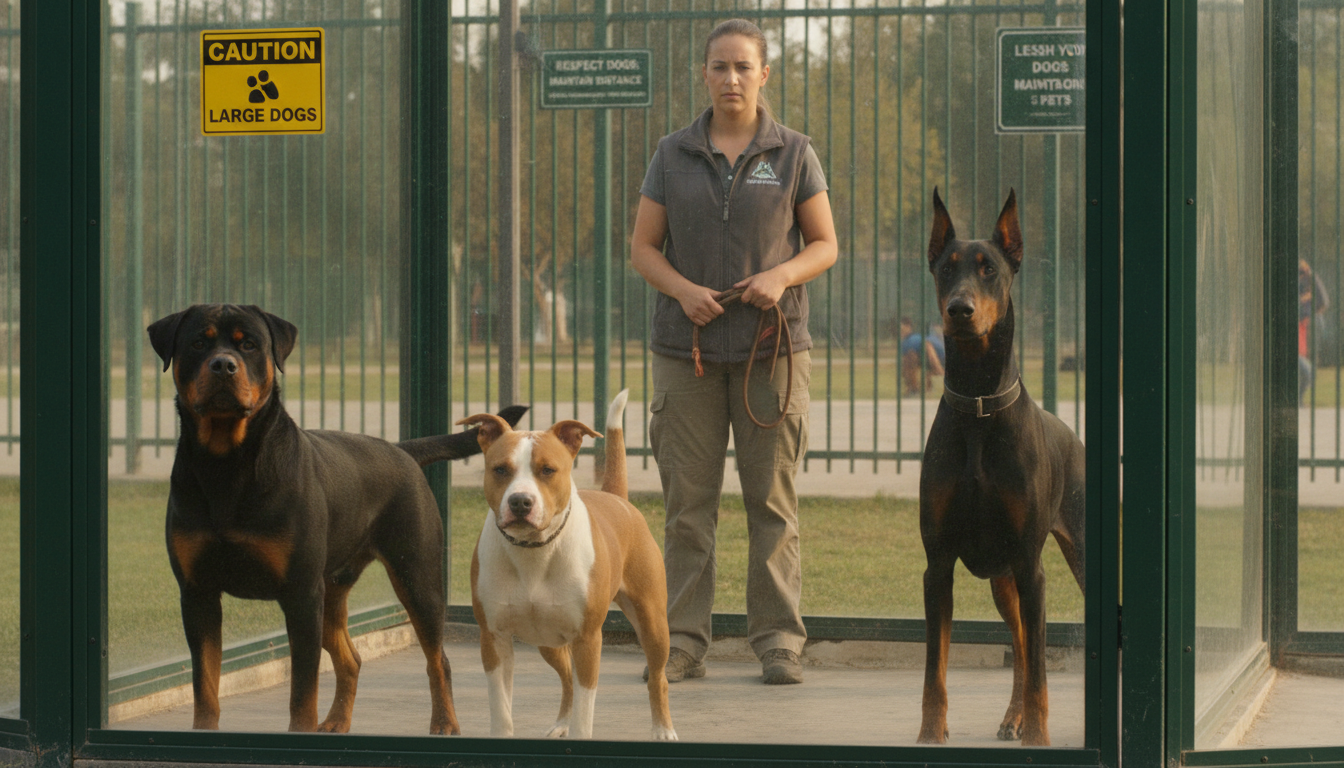
A sudden growl or charging dog can make an ordinary walk frightening. Knowing how to respond helps you stay calm, protect others, and make safer choices during a tense encounter.
This guide explains why dangerous dog breeds do not define a dog’s behavior alone. Genetics, training, socialization, health, supervision, surroundings, and each situation can affect risk.
You will learn practical dog safety steps, such as reading warning signs, approaching unfamiliar dogs, and protecting children. You will also learn dog bite prevention, how to respond during an attack, seek medical care, and report a bite.
Understanding Dangerous Dog Breeds and Canine Behavior
Labels can shape expectations, but they cannot predict every dog’s actions. To judge risk, watch the individual dog and its surroundings.
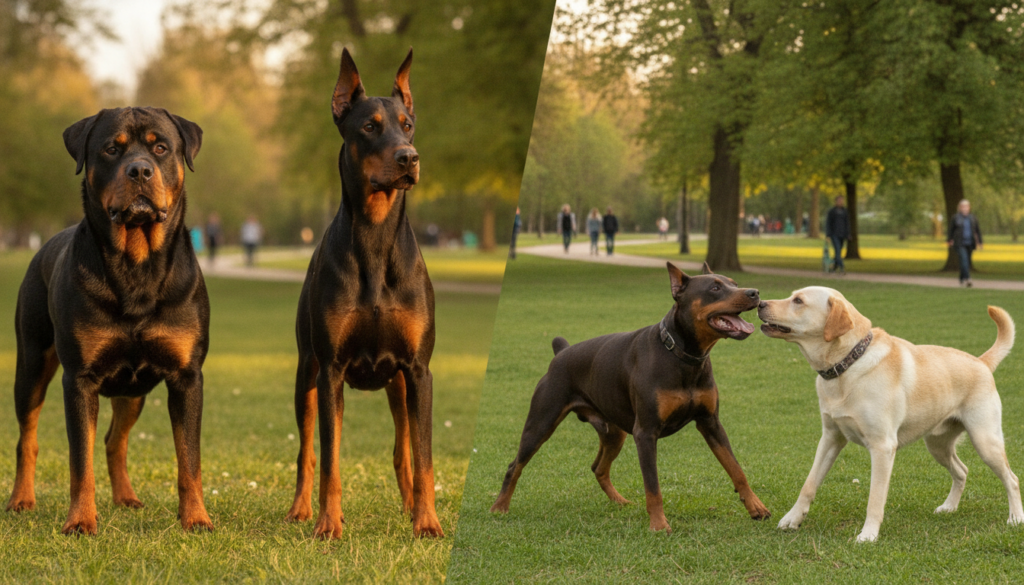
Why Breed Labels Do Not Predict Every Dog’s Behavior
People may call some dogs dangerous dog breeds because of bite reports or public fear. Yet labels do not show a dog’s training, health, history, or daily care.
A dog’s appearance can mislead you. Watch its posture, movement, response to people, and stress signals. Calm behavior matters more than breed stereotypes.
How Genetics, Training, Socialization, and Environment Affect Risk
Inherited traits may affect size, energy, guarding, or prey drive. They do not guarantee aggression. Training and early socialization shape responses to people, animals, and new places.
Pain, fear, confinement, neglect, and harsh handling can change canine behavior. Owner actions matter, too. Poor control or unsafe care may raise risk, even when a dog seems friendly.
When you assess dog temperament, consider the full picture. Give extra space when a dog seems tense, cornered, ill, or unable to leave.
What Makes Some Dogs High Risk or Potentially Dangerous?
Risk involves more than a dog’s breed. Consider its size, strength, behavior, health, training, and surroundings. A calm dog may be powerful without aggression, while a small dog can still bite or injure someone.
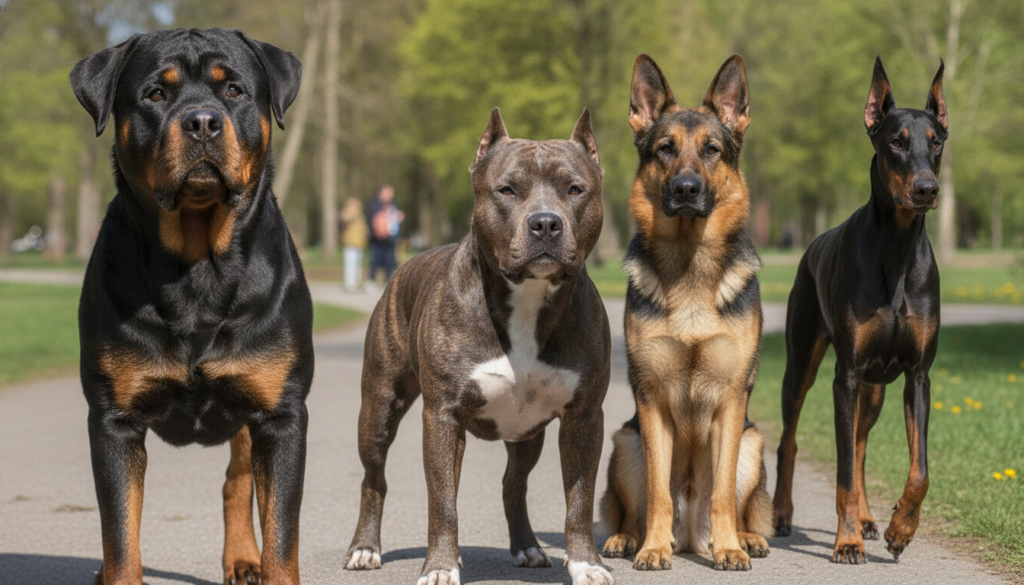
Physical Strength, Size, and Bite Force
A large, muscular dog can cause serious harm by biting, charging, or colliding with someone. Its weight may knock you down, and strong neck and jaw muscles may hold clothing or skin. Bite force can affect injury depth and severity, but it does not prove an attack is intended.
Some high risk dog breeds can pull an adult off balance or chase someone quickly. Risk increases when a dog is loose, poorly controlled, or near children. Judge each dog by its behavior, not strength alone.
Prey Drive, Territorial Behavior, and Protective Instincts
Prey drive can make a dog chase running people, bikes, cats, or small animals. Territorial behavior may appear when it guards a yard, home, vehicle, food bowl, toy, or resting place. Resource guarding may cause a bite when you reach for something valuable to the dog.
Protective behavior can become risky when a dog sees a visitor or family member as a threat. Pain, fear, overstimulation, and poor socialization may worsen that response. Some potentially dangerous dog breeds need careful handling, secure fencing, steady training, and close supervision in busy places.
Warning Signs of Fear, Stress, and Aggression
Watch the dog’s whole body instead of trusting one signal. A stiff posture, hard stare, raised hackles, growling, snarling, lip lifting, repeated barking, or lunging may show rising tension. Freezing is a serious warning because the dog may be deciding whether to flee or react.
- A tucked posture may show fear or a wish to avoid contact.
- Whale eye, with white showing around the iris, can signal stress.
- Repeated attempts to escape mean the dog needs more space.
- A sudden pause after barking may come before a lunge.
If you notice these signs, stop moving toward the dog. Turn slightly, avoid reaching out, and create distance without running. Give the owner time to secure the dog; this can reduce pressure for you and the animal.
Commonly Identified Aggressive Dog Breeds
Public discussions often name certain dogs after serious bites. Reports may mention German Shepherd Dogs, Rottweilers, American Pit Bull Terriers, Doberman Pinschers, Akitas, Chow Chows, and wolfdog hybrids. These labels describe a reported dog, but they cannot predict every individual dog’s behavior.
Assess risk by focusing on the dog in front of you. Consider its behavior, control, surroundings, and access to people. Breed names alone cannot show whether a dog is calm, fearful, poorly trained, or ready to bite.
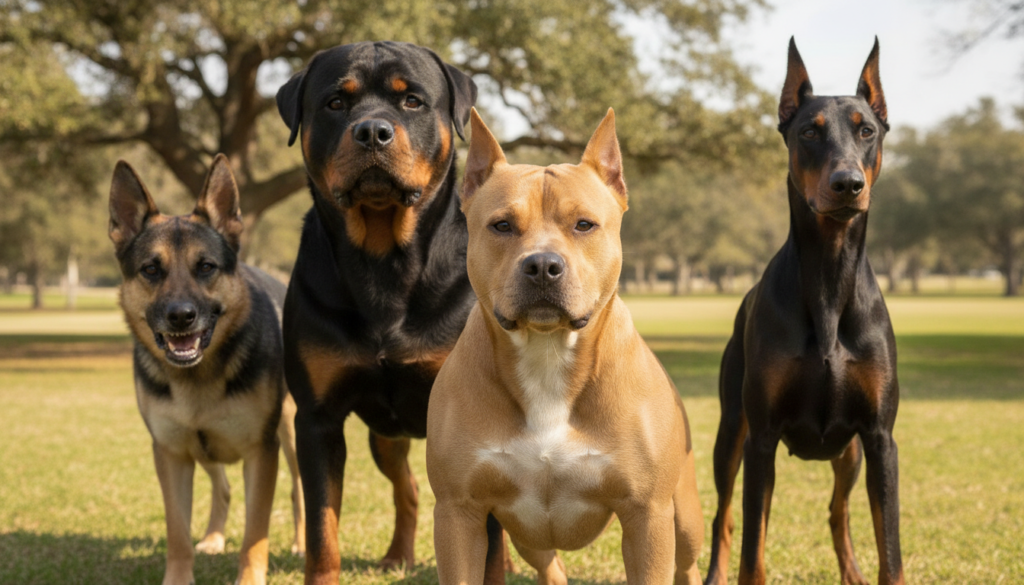
Breeds Often Associated With Aggression Reports
Some aggressive dog breeds appear often in news stories and bite reports. This pattern may reflect a community’s dog population, the dogs’ size, or their use as guard and working dogs. It may also reflect how often they meet strangers, children, or other animals.
Breed identification can be difficult, especially with mixed ancestry. People may guess a breed from color, head shape, coat, or body size. Those guesses are often wrong, and a visual label may not match a genetic test or verified record.
Why Statistics and Bite Data Require Careful Interpretation
Dog bite statistics do not measure every dog’s personal risk. Reports may count only injuries that reach a hospital, involve animal control, or meet local reporting rules. Mild bites may go unreported, while severe attacks receive wider attention.
Media coverage can make rare events seem common. Owner behavior, poor containment, and unsafe handling may raise the chance of an incident. The number of dogs in each breed group may be unknown, making fair comparisons difficult.
You should treat bite data as one information source, not a complete safety test. Consider the dog’s current conduct, training, supervision, and setting. This approach supports careful judgment without unfairly labeling every dog in a breed or type.
Powerful Dog Breeds That Require Responsible Handling
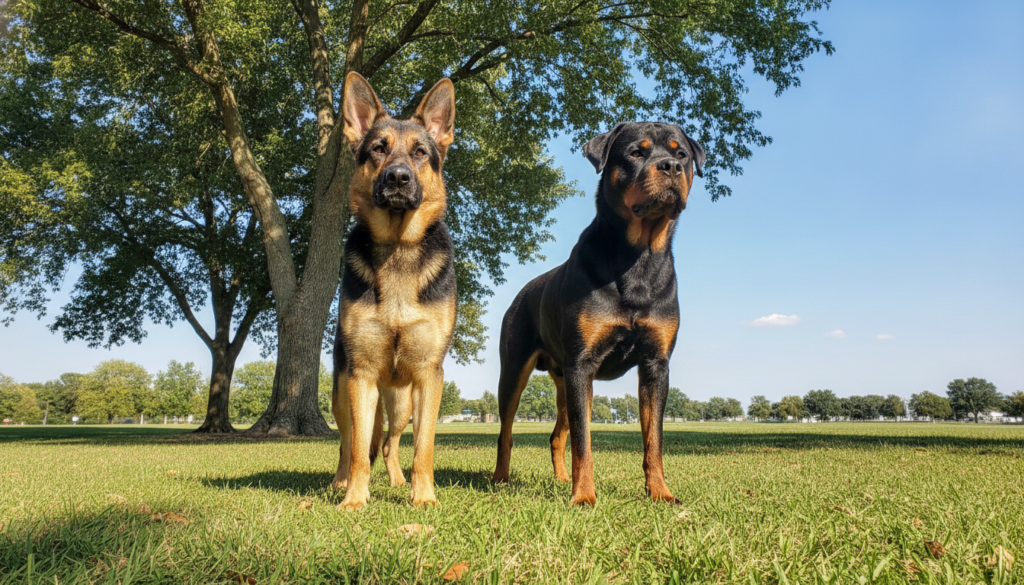
Powerful dog breeds need clear rules, steady care, and close supervision. A strong dog that escapes or ignores commands can create serious safety risks. Responsible dog ownership means planning for daily walks, guests, gates, and emergencies.
Training and Leash Requirements for Strong Dogs
Teach reliable recall in quiet places before practicing near traffic, parks, or other animals. Use reward-based training to build focus and trust. Punishment may cause fear and defensive behavior, making control harder.
Choose a well-fitting collar or harness that stays secure during movement. Use a sturdy leash matched to your dog’s size and strength. Follow local leash rules, even if your dog responds well at home.
If your dog pulls, guards objects, or reacts to people, seek a certified behavior professional. Early guidance can improve safety and teach practical handling skills.
Safe Housing, Fencing, and Supervision Practices
Inspect your yard often for loose boards, weak hinges, and ground-level gaps. Secure fencing should stop climbing, digging, and pushing. Use locked gates and close every access point when your dog is outside.
Separate your dog from visitors when needed. A closed room, sturdy crate, or secure barrier can reduce stress during deliveries and social events. Never ask a child to manage a strong dog.
Keep identification current, and check your dog’s equipment before every outing. These simple habits support responsible dog ownership and reduce escape risks.
Recognizing Feared, Vicious, and Menacing Dog Behaviors
Labels such as feared dog breeds, vicious dog breeds, and menacing dog breeds cannot predict every dog’s actions. In some areas, “vicious” and “menacing” describe behavior or a legal classification. For safety, watch the dog’s body language, movement, and response to your presence.
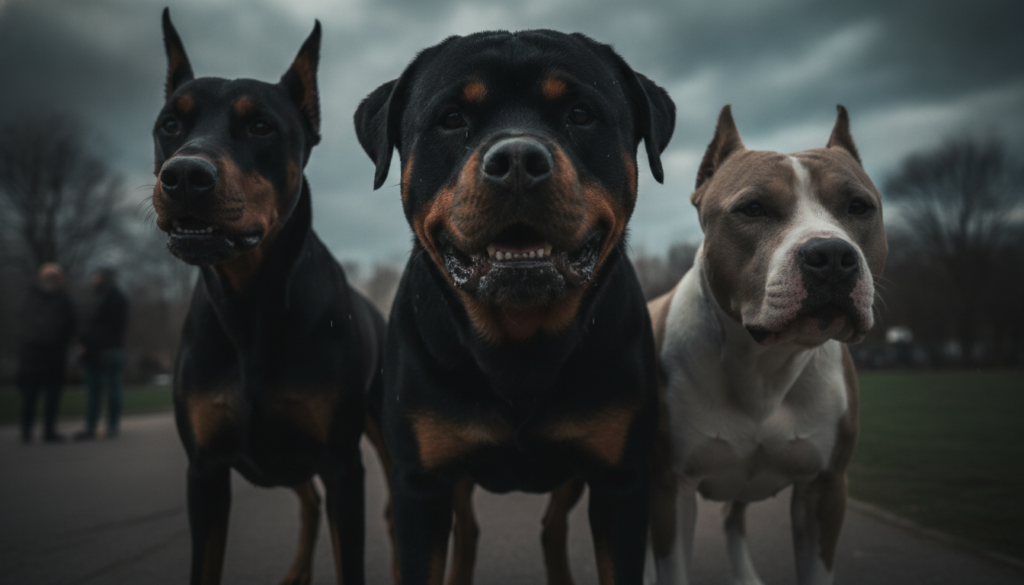
Body Language That May Signal a Threat
Watch the dog’s whole body instead of one signal. A stiff posture, raised hackles, tight facial muscles, and fixed stare may show high stress. A lowered head, pinned ears, tucked tail, or repeated lip licking can signal fear.
Listen for growling, barking, or snarling. These sounds may warn you to create distance.
Check what the dog guards, such as food, a toy, a person, or its territory. A cornered dog may react because it feels trapped.
Pay attention to movement. A dog that turns away or retreats may want space. A dog that blocks your path, follows you, or keeps closing the gap needs careful attention.
These signs can appear in dogs described as vicious dog breeds, but they can occur in any breed.
How to Distinguish Warning Behavior From an Imminent Attack
A bark or growl may try to make you leave. Stop moving toward the dog, turn slightly, and give it a clear path away. Do not reach toward it, run, or stare into its eyes.
Rapid approach, repeated lunging, snapping, pursuit, and failure to disengage suggest urgent risk. Create space with a car, fence, gate, or other solid barrier. Move toward a safe building or occupied area without sudden movements.
Even dogs called menacing dog breeds must be judged by current behavior, not a label alone. If the dog keeps advancing, call for help and contact emergency services during immediate danger.
How to Stay Safe Around an Unfamiliar Dog
Good unfamiliar dog safety begins with distance and patience. Any dog may react when afraid, trapped, or protective. Treat each meeting as a safe dog approach, even when the dog looks calm and friendly.
Ask the Owner Before Approaching
Stop several feet away and ask the owner for permission. Wait for a clear answer before moving closer. If the owner says no, respect that choice and give the dog more space.
Let the dog approach you at its own pace. Keep your hands still at your sides. Avoid reaching over its head, leaning across its body, or touching its food, toys, puppies, or resting area.
Some dogs need more space because of fear, pain, or past experiences. A cautious approach helps around potentially dangerous dog breeds, but breed alone cannot predict one dog’s behavior.
Use Calm Body Language and Avoid Direct Eye Contact
Stand with your body turned slightly sideways. Keep your movements slow and your voice quiet. Look near the dog instead of holding a long, direct stare.
Do not hug the dog, wave your hands, or bend over it. Ask the owner where gentle contact is welcome. If the dog turns away, stiffens, growls, or licks its lips, stop and give it more room.
A safe dog approach respects these signals. Avoid running or screaming because sudden movement can increase the dog’s stress.
What to Do if a Dog Approaches or Follows You
If a loose dog walks toward you, remain still and keep your arms close. Use a calm voice and avoid turning your back. Let the dog sniff from a distance without reaching toward it.
Move slowly toward a car, building, gate, or other secure barrier when one is nearby. Place a backpack, bicycle, trash can, or other object between you and the dog if needed. Do not chase, corner, or block its path.
These steps support unfamiliar dog safety in parks, neighborhoods, and shared buildings. Call for help after reaching a safe place. Report a loose or threatening animal to local animal control.
What to Do During a Dog Attack
A calm dog attack response can reduce harm. Do not run because pursuit may intensify the encounter. Stand still, avoid sudden moves, and use a firm voice.
Stay upright while backing toward a fence, vehicle, doorway, or other enclosed space.
Steps to Reduce the Chance of Being Knocked Down
Place a barrier between you and the dog. A bag, jacket, bicycle, chair, or similar object may help. Hold it in front of your body without reaching toward the dog’s mouth.
Do not swing at the animal unless you must protect yourself.
Keep your feet under you and move slowly. Avoid turning your back. If you fall, shift into a protective position at once.
How to Protect Your Face, Neck, and Hands
Curl onto your side with your knees drawn toward your chest. Cover your face, neck, and ears with your arms. Keep your hands clenched to protect your fingers.
Stay as still and quiet as possible until the dog moves away.
This response supports dog bite prevention during a sudden attack. Do not yell, kick, or pull at the dog if those actions increase the struggle. Shield vital areas and limit movement.
Actions to Take After the Dog Retreats
Move to a safe place without chasing or confronting the animal. Do not try to catch it, even if you fear it may be one of the dangerous dog breeds. Ask someone nearby to watch where it goes from a safe distance.
Call emergency services for severe bleeding, deep wounds, facial injuries, breathing trouble, or signs of shock. Press a clean cloth firmly against bleeding. Wash minor wounds with clean water and seek medical care, since bites can cause infection and may require rabies evaluation.
Keeping Children Safe Around Unpredictable Dog Breeds
Children may mistake warning signs for play. Barking, growling, a stiff body, or turning away can show that a dog feels stressed. Quick movements and loud voices may increase bite risks, even with familiar pets.
Teaching Children Safe Dog-Interaction Rules
Teach your child to ask the owner before petting any dog. Show them how to stand still, speak calmly, and keep their hands low. Children should never hug, climb on, or ride a dog.
- Leave dogs alone while they eat or sleep.
- Never pull a dog’s tail or ears.
- Do not take away food, bones, or toys.
- Keep your face away from a dog’s mouth.
These simple rules support child dog safety around pets, visitors, and unpredictable dog breeds.
Why Young Children Should Never Be Left Unsupervised With a Dog
Young children may not understand a dog’s limits. They may move quickly, make sharp sounds, or touch a sore spot without warning. Even a familiar family dog can react in one moment.
Good dog supervision means staying close enough to reach the child at once. Do not rely on a phone, fence, or the dog’s past behavior. Separate the child and dog during meals, naps, rough play, and busy gatherings.
Recognizing When a Child Should Move Away
Teach your child to stop, stay quiet, and hold their hands close when a dog seems tense. The child should never run. They should move slowly toward you, a trusted adult, or a solid barrier.
Watch for a hard stare, raised fur, a stiff posture, repeated growling, or forward movement. Guide the child away without shouting or grabbing the dog. This calm response strengthens child dog safety in every setting.
How Dog Owners Can Prevent Aggressive Behavior
Good handling starts before a serious problem appears. Early, careful practice helps your dog respond calmly to people, animals, touch, sounds, and new places. This approach supports safe aggressive dog prevention at home and in public.
Early Socialization and Positive Training
Introduce your dog to new experiences during short, calm sessions. Let your dog watch from a safe distance before moving closer. Reward relaxed behavior with treats, praise, or play; positive reinforcement links new events with good results.
Teach simple cues such as “come,” “leave it,” and “settle.” Practice them in quiet places before adding distractions. Never force your dog to greet a person, child, or animal; forced contact can increase fear and cause unpredictable reactions.
Managing Triggers, Visitors, and Public Encounters
Track what causes barking, lunging, stiff posture, or growling. Triggers may include other dogs, strangers, food, toys, or sudden handling. Use distance, closed doors, baby gates, and secure leashes to prevent reactions while building better habits.
Before visitors arrive, place your dog in a secure area with a familiar toy. Bring your dog out only when the setting is calm. On walks, control the leash and choose routes with room to move away, making aggressive dog prevention easier.
When to Seek Expert Help
A sudden behavior change calls for a veterinary exam. Pain, illness, neurological conditions, and medication effects can affect your dog’s behavior. Contact your veterinarian after a new bite, repeated lunging, severe fear, or sudden guarding.
A certified dog behavior professional can create a safe training plan for serious cases. Look for a qualified certified applied animal behaviorist or veterinary behaviorist. Use positive reinforcement, careful management, and clear safety rules instead of punishment.
Dog Bite Prevention, Reporting, and Medical Care
A dog bite requires care, even when the wound looks small. Quick action can reduce infection, lasting harm, and other health problems. Next steps include dog bite medical care, clear records, and bite reporting to the proper local agency.
When to Seek Immediate Medical Attention
Seek urgent dog bite medical care for deep punctures, heavy bleeding, or crush injuries. Get prompt evaluation for wounds on the face, hands, feet, joints, or genitals. Breathing trouble, lost movement, severe pain, numbness, or an attack involving a child also needs prompt evaluation.
A clinician can clean the wound and decide if you need stitches, antibiotics, or a tetanus booster. The exam may reveal damage to nerves, tendons, or blood vessels. Tell the clinician about the dog and attack so public health staff can assess rabies exposure.
Watch for growing redness, warmth, swelling, drainage, fever, or worsening pain. These signs may show infection and require medical review.
How to Document and Report a Dog Bite
After reaching safety, record the date, time, location, and events leading to the bite. Take clear photos of the wound, torn clothing, and attack area. Save medical records, receipts, and discharge instructions.
Record the owner’s name and contact details, if available. Describe the dog’s color, size, breed description, collar, license tag, and travel direction. Ask witnesses for names and contact information.
Follow local bite reporting procedures by contacting animal control or law enforcement. Give officials your photos, witness details, and medical information. Do not approach a loose or aggressive dog to gather more evidence.
Understanding Local Leash and Dangerous-Dog Laws
Leash rules, quarantine steps, liability standards, breed limits, and dangerous dog laws vary by state and municipality. Local rules may set reporting deadlines and require the dog to remain confined during rabies assessment.
Contact your city or county animal control office, police department, or public health department for guidance. Ask about reporting deadlines, quarantine locations, owner duties, and records you can request. Follow official instructions while receiving care for your injury.
Conclusion
A strong dog safety guide starts with one rule: judge each dog, not only its breed. Watch for stiff posture, growling, fear, and other warning signs. Keep your distance, avoid conflict, and use a barrier when possible.
Supervise children around every dog, including a familiar family pet. Teach them to ask before approaching and move away calmly when a dog seems stressed. Safe housing, secure leashes, humane training, and veterinary care support responsible pet ownership.
Dogs associated with dangerous dog breeds may need extra planning, but every dog needs careful handling. If behavior becomes hard to manage, seek help from a veterinarian or qualified behavior professional. Early support can lower risks and protect people and pets.
If a bite or attack occurs, reach safety first. Get medical care, record what happened, and report the incident under local rules. Quick action can support recovery, public safety, and responsible pet ownership.